Telecoms Services: 5 Issues Reps should address beyond CEO summonses
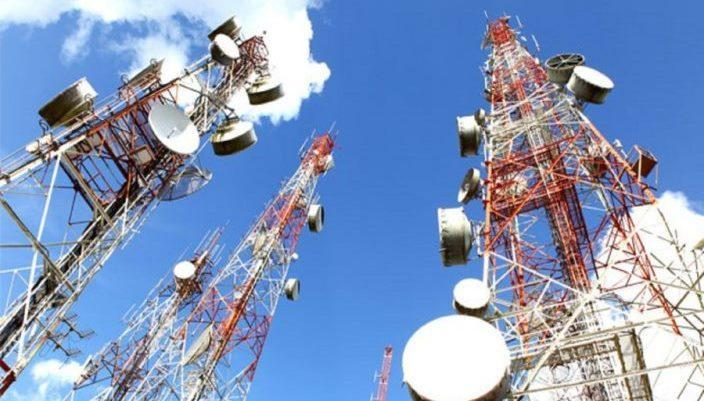
By Lukman Omikunle The emerging scenario surrounding the House of Representatives’ summons of telecommunications company chief executives over poor network quality has drawn attention to the persistent frustration of subscribers. In August, the Nigerian Communications Commission (NCC) disclosed that more than 5,000 fibre-optic cable cuts were recorded in Nigeria during the first six months of 2026, largely associated with road construction, excavation and other civil works.
By Lukman Omikunle The emerging scenario surrounding the House of Representatives’ summons of telecommunications company chief executives over poor network quality has drawn attention to the persistent frustration of subscribers. But beyond the threats of arrest and the dispute over executives’ appearance before lawmakers, the episode presents an opportunity to confront the structural problems affecting telecommunications services in Nigeria.
For millions of Nigerians, unreliable connectivity means failed financial transactions, interrupted business operations, dropped calls and difficulty accessing essential digital services. While operators have a responsibility to maintain their networks and provide quality services, the conditions under which infrastructure is deployed and protected also influence service delivery.
From fibre-optic cable vandalism and multiple taxation to inconsistent right-of-way charges, poorly coordinated road construction and inadequate protection of critical infrastructure, several challenges require attention beyond the immediate dispute between lawmakers and industry executives. In August, the Nigerian Communications Commission (NCC) disclosed that more than 5,000 fibre-optic cable cuts were recorded in Nigeria during the first six months of 2026, largely associated with road construction, excavation and other civil works.
For the House, the opportunity lies in using its legislative responsibilities to address these obstacles, improve the environment for infrastructure investment and strengthen accountability across the sector. Fibre-optic cables form a critical part of the infrastructure carrying data across telecommunications networks. They support mobile broadband, financial transactions, enterprise communications and other digital services.
Damage to these cables can interrupt services across multiple locations, depending on the affected route and availability of alternative transmission links. The NCC’s disclosure of more than 5,000 fibre cuts in the first half of 2026 highlights the scale of the problem. Technology entrepreneur and public analyst, Israel Ihaza, has argued that the economic consequences of fibre damage extend beyond telecommunications companies.
“What they don’t understand is that these cables power economies,” Ihaza said, warning that damage could disrupt the financial ecosystem and banking services. His observation reflects the growing dependence of businesses and households on digital connectivity. When network infrastructure is damaged, the effects can extend to point-of-sale terminals, mobile banking, online businesses and other services dependent on uninterrupted communications.
The House could examine the adequacy of existing penalties for deliberate vandalism, enforcement and the difficulties security agencies encounter in identifying and prosecuting offenders. It could also work with the NCC, the Office of the National Security Adviser, security agencies and state governments to establish clearer responsibilities for protecting vulnerable installations.
The objective should be to distinguish deliberate vandalism from accidental damage while ensuring appropriate prevention, enforcement and remediation. Public awareness is equally important, as communities need to understand that fibre-optic cables support essential economic and public services. Another issue requiring legislative attention is multiple taxation and the additional costs associated with deploying and maintaining telecommunications infrastructure.
Telecommunications networks require substantial capital investment in base stations, fibre-optic cables, transmission equipment, power systems and supporting facilities. Operators must continually expand and maintain these installations as demand for connectivity increases. However, taxes, levies, permits and other charges imposed by different public authorities can add to the financial burden of deploying and maintaining infrastructure.
The concern is not that operators should be exempt from legitimate taxation, but whether overlapping demands, duplicative levies and inconsistent administrative practices impose avoidable costs on an industry requiring sustained investment. Lawyer and public policy commentator, Ilemona Onoja, has identified multiple taxation, fibre vandalism and inconsistent right-of-way charges as structural problems lawmakers could address through legislation.
In his commentary on the summons dispute, Onoja argued that the National Assembly could tackle these challenges through its lawmaking powers rather than concentrate exclusively on compelling executives to attend hearings The House could commission a comprehensive review of taxes, levies and infrastructure-related charges imposed on telecommunications operators by federal, state and local authorities.
Such a review should establish the legal basis of each charge, identify duplication and recommend a predictable framework for legitimate revenue collection. It should also
- service
- fibre
- cable
- infrastructure
- network
- optic
- telecommunications
- damage