GAC raises concern over declining condom use, HIV stigma
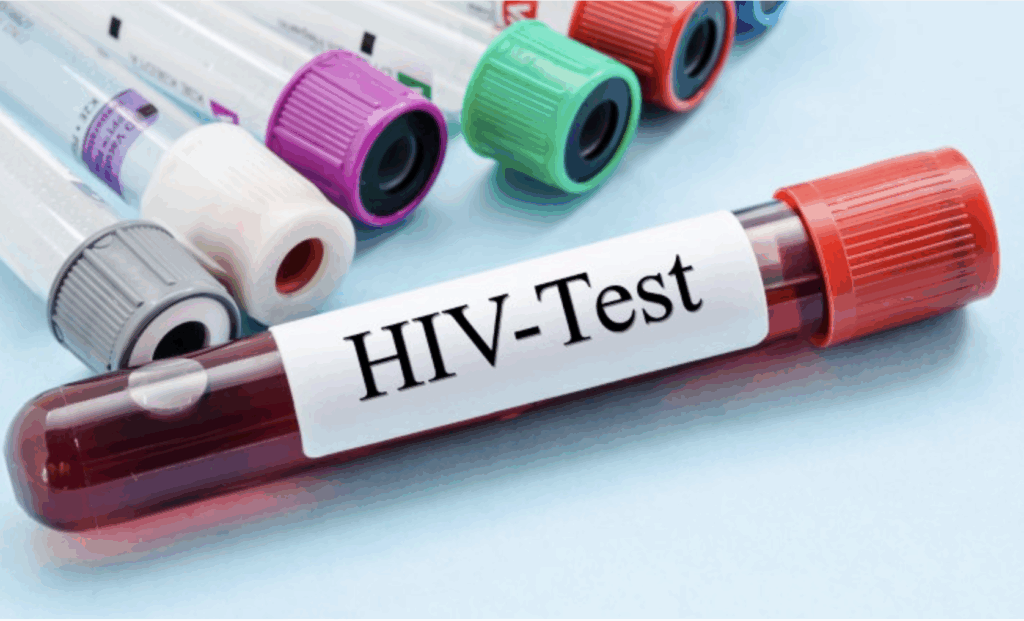
The Ghana AIDS Commission (GAC) says declining condom use among adults engaging in higher-risk sex and persistent discrimination against people living with HIV are threatening Ghana’s efforts to control the epidemic. “Although the country has recorded progress in reducing new HIV infections, changing sexual behaviour and negative societal attitudes towards people living with HIV could undermine prevention efforts and the gains made over the years,” said Mr Isaiah Doe Kwao, Director of Research, Monitoring and Evaluation at the Commission.
The Ghana AIDS Commission (GAC) says declining condom use among adults engaging in higher-risk sex and persistent discrimination against people living with HIV are threatening Ghana’s efforts to control the epidemic.
The Commission said the trends could undermine progress in reducing new infections and efforts to end AIDS as a public health threat by 2030.
“Although the country has recorded progress in reducing new HIV infections, changing sexual behaviour and negative societal attitudes towards people living with HIV could undermine prevention efforts and the gains made over the years,” said Mr Isaiah Doe Kwao, Director of Research, Monitoring and Evaluation at the Commission.
He was speaking at the 15th National HIV and AIDS Partnership Forum in Accra.
Data from the 2022 Ghana Demographic and Health Survey (GDHS), presented by the Commission, showed a steady decline in condom use during the last high-risk sexual encounter among men and women aged 15 to 49.
Among men who reported higher-risk sexual activity, condom use fell from 49 per cent in 2003 to 47.4 per cent in 2008, 40.6 per cent in 2014 and 27.4 per cent in 2022.
For women, it declined from 29 per cent in 2003 to 26.9 per cent in 2008, 17.8 per cent in 2014 and 10.6 per cent in 2022.
Mr Kwao said the figures meant that fewer than three in 10 men and about one in 10 women who engaged in higher-risk sexual activity used condoms during their last such encounter in 2022.
The survey also showed an increase in the proportion of sexually active adults reporting higher-risk sexual behaviour over the period.
Among men, the proportion rose from 10.2 per cent in 2003 to 11.5 per cent in 2008, 14.2 per cent in 2014 and 15.1 per cent in 2022.
For women, it increased from 1.1 per cent in 2003 to 1.0 per cent in 2008, 1.3 per cent in 2014 and 2.2 per cent in 2022.
“The combination of increasing reported higher-risk sexual activity and declining condom use presents an important concern for HIV prevention, particularly as the country works towards ending AIDS as a public health threat by 2030,” he said.
Mr Kwao said stigma and discrimination also continued to obstruct HIV prevention, testing and treatment.
The 2022 GDHS showed that 78 per cent of women and 72 per cent of men who had heard of HIV or AIDS held discriminatory attitudes towards people living with the condition.
The survey assessed such attitudes through respondents’ views on whether children living with HIV should attend school with HIV-negative children and whether they would buy fresh vegetables from a shopkeeper known to be living with HIV.
It found that 61 per cent of women and 56 per cent of men did not support children living with HIV attending school alongside HIV-negative children.
Similarly, 74 per cent of women and 65 per cent of men said they would not buy fresh vegetables from a shopkeeper living with HIV.
Mr Kwao said the findings showed that misconceptions and social exclusion remained prevalent in some communities despite years of public education on HIV transmission and prevention.
- hiv
- cent
- condom
- use
- man
- woman
- risk
- aids