Ghana meets most PCI targets, but risks remain – IMF

The International Monetary Fund (IMF) has described Ghana’s performance under its Policy Coordination Instrument (PCI) programme as broadly satisfactory, with most quantitative targets met. Fiscal and banking sector reforms The IMF reported that reforms to the Bank of Ghana’s liquidity management framework were advancing.
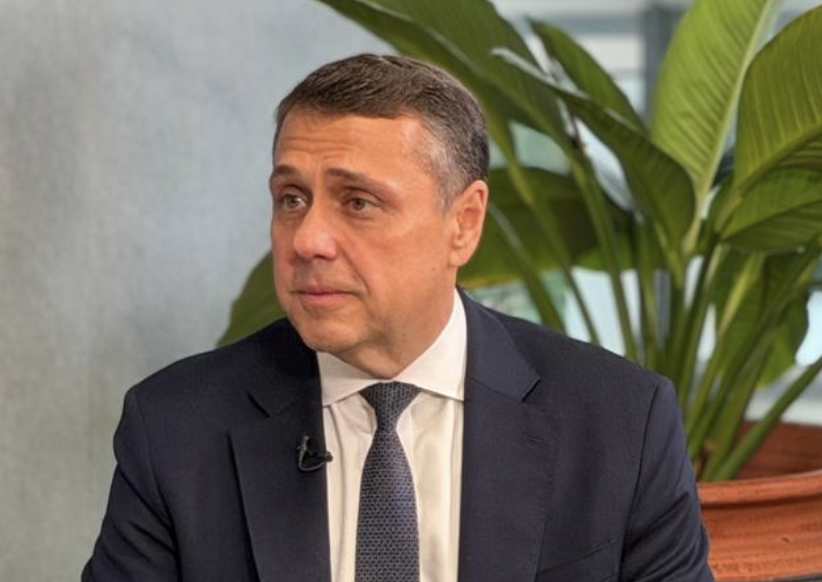
The International Monetary Fund (IMF) has described Ghana’s performance under its Policy Coordination Instrument (PCI) programme as broadly satisfactory, with most quantitative targets met. The assessment followed a staff visit to Accra from October 22 to November 4, 2026, to discuss the first review of Ghana’s 36-month programme. The mission, led by Ruben Atoyan, also reported progress on structural reforms.
However, it warned that external vulnerabilities and pressures in key sectors continued to threaten economic stability. Details The IMF said authorities took corrective measures after a recent decline in foreign exchange reserves. These included moving foreign exchange intermediation from the Bank of Ghana to GoldBod and requiring large-scale miners to sell more gold.
“Steadfast implementation of these measures, alongside greater exchange rate flexibility, will be essential to rebuild reserves in line with program objectives,” the team said. On structural reforms, the mission noted the publication of the Fiscal Strategy Document and parliamentary approval of the new Cocoa Board Act. The legislation is intended to strengthen governance and financial discipline in the sector.
The authorities also continued quarterly adjustments to electricity tariffs. “They also completed, ahead of schedule, a comprehensive review of customs and excise legislation,” the mission said. Fiscal and banking sector reforms The IMF reported that reforms to the Bank of Ghana’s liquidity management framework were advancing. It also highlighted progress in rolling out the Integrated Tax Administration System, operationalising the Fiscal Council and preparing the Fiscal Risk Statement.
However, the team called for outstanding reforms to be completed promptly. “Completing the remaining reforms on time, including the delayed publication of the audit of the ECG’s collection accounts, will be important,” it said. The mission described the foundations of the 2027 Budget as strong. It said the budget targets a primary surplus of 0.5% of gross domestic product on a commitment basis, consistent with the PCI.
Parliament approved the target through revenue measures in July. According to the IMF, the fiscal space created will support investment under the government’s New Economy priorities. These include employment opportunities and measures to close the infrastructure gap. “Rigorous project appraisal, competitive procurement, and strict expenditure controls will be critical to ensure value for money and preserve debt sustainability,” the team cautioned.
Challenges and problems identified Despite the progress, the IMF said Ghana remained vulnerable to external shocks. These include fluctuations in gold, cocoa and oil prices, geopolitical tensions and tighter global financial conditions. Domestic risks include substantial debt rollover needs, fiscal pressures in the energy, cocoa, and gold sectors, and remaining weaknesses in the financial sector.
“Prudent monetary policy, greater exchange rate flexibility, stronger reserve buffers, and buildup of a sinking fund to pay for maturing debt remain key to safeguarding stability,” the team said. The mission also called for stronger governance and accountability. It said adopting the Conduct of Public Officers Bill, publishing the second National Ethics and Anti-Corruption Action Plan, and improving oversight of state-owned enterprises would help build public trust and support private investment.
The IMF reaffirmed its commitment to supporting Ghana’s efforts to preserve stability and achieve stronger, more inclusive and job-rich growth.
- ghana
- imf
- pci
- reform
- mission
- sector
- measure
- exchange