Key takeaways from 32nd Nigerian Economic Summit
Furthermore, the Summit dissected Nigeria’s development priorities across five critical sub-themes, including: Work Nigeria, which entails building a job-rich and strengthening labour absorption; Produce Nigeria, which entails driving productivity, industrialization, and value creation; Invest Nigeria, which entails delivering investment, shared prosperity, welfare, and social protection; Scale Nigeria , which entails expanding growth across states, sectors, and communities; and Secure Nigeria which entails restoring safety, stability, and confidence for economic activities. Reforms…
By Emeka Anaeto, Business Editor The 32nd edition of Nigerian Economic Summit held last week in Abuja has produced one of the most critical insights and engagements across stakeholders in Nigeria’s economy spanning across public and private sector. It also delivered some thought provoking contents on what is wrong with economic development in the country across policy strategies and execution imperatives.
With significant dose of international personalities with experiences across the world, the discussions were frank and unpatronising of any vested interest. Themed, ‘‘Growth that Works: Delivering Jobs, Productivity and Shared Prosperity’’, the cardinal objectives were anchored on the three-and-half years of President Bola Tinubu’s massive economic reform which has already become controversial ahead of the next general elections in the country.
The gathering of distinguished global leaders, senior government officials across the Federal and State levels, private sector executives, economists, and development partners were set to build consensus on practical pathways for accelerating inclusive and sustainable growth. The NES#32 actually provided platform for translating reform momentum into tangible outcomes that could expand productive employment, raise productivity and ensure shared prosperity.
Furthermore, the Summit dissected Nigeria’s development priorities across five critical sub-themes, including: Work Nigeria, which entails building a job-rich and strengthening labour absorption; Produce Nigeria, which entails driving productivity, industrialization, and value creation; Invest Nigeria, which entails delivering investment, shared prosperity, welfare, and social protection; Scale Nigeria , which entails expanding growth across states, sectors, and communities; and Secure Nigeria which entails restoring safety, stability, and confidence for economic activities.
The key takeaways from the 32nd Nigerian Economic Summit show the outcome reinforced one overriding national imperative: ‘Nigeria must move decisively from macroeconomic stabilisation and policy reform to measurable economic prosperity, productive employment and improved living standards for its citizens’. The discussions acknowledged progress towards macroeconomic stability while emphasising that growth must translate into improved household incomes, greater business competitiveness, food security, stronger institutions and broader economic opportunities.
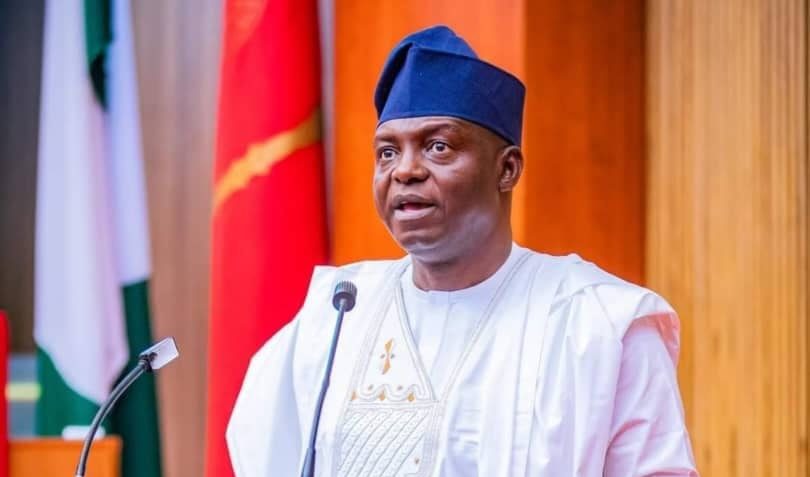
Reforms performance presents a mixed picture – NESG Chairman Welcoming the array of Nigerian business elites at the thirty-second edition of the Nigeria Economic Summit in Abuja yesterday, the Chairman of NESG, Mr Niyi Yusuf, said though the reforms have presented a form of stability but he declared that stabilization may create conditions for economic progress but doesn’t deliver it.
Dissecting the major outcomes from the reforms so far, Yusuf stated: “Nigeria’s economic performance presents a mixed picture. Key macro indicators are improving, but significant constraints limit the transmission of these gains to businesses and households. He further noted, “Nigeria attracted approximately US$23.2 billion in foreign capital inflows so far in 2026, but portfolio investment dominated, with foreign direct investment only a small proportion.
Giving NESG’s overall position on the performance of the reforms so far, Yusuf stated: “These reforms have imposed considerable pressures on households and businesses, but they have also created an opportunity to reconsider the foundations of our socio-economic development. “Our responsibility now is to ensure that reform translates into stronger enterprises, better jobs, more productive workers, rising incomes, improved living standards and shared prosperity.
This is the central purpose of NES #32. No other way than reforms – Tinubu Speaking to the global audience about the reforms’ imperatives and deliveries, President Bola Tinubu, through his deputy, Vice President Kashim Shettima, said the administration is currently undertaking what it came into office to achieve: rewriting the story of a nation that has performed below its potential for far too long. He noted that his administration began on a difficult note because there is no shortcut to economic growth.
These reforms are restoring confidence, strengthening our economic foundations and laying the groundwork for sustainable growth,” he added, noting that the administration is encouraged by what it has accomplished so far. ”We must judge industrial policy by the competitiveness of our firms and investment incentives by the capital, technology, exports and jobs they attract.” On economic diversification, he stated that “non-oil activities accounted for 96.08% of GDP, while manufacturing grew by 3.29% and the oil sector by 2.57%,” emphasising that the gains have reinforced his administration’s confidence in the path of recovery and diversification. Giving more performance highlights of the administrati
- nigeria
- reform
- summit
- economic
- business
- prosperity
- nigerian
- development