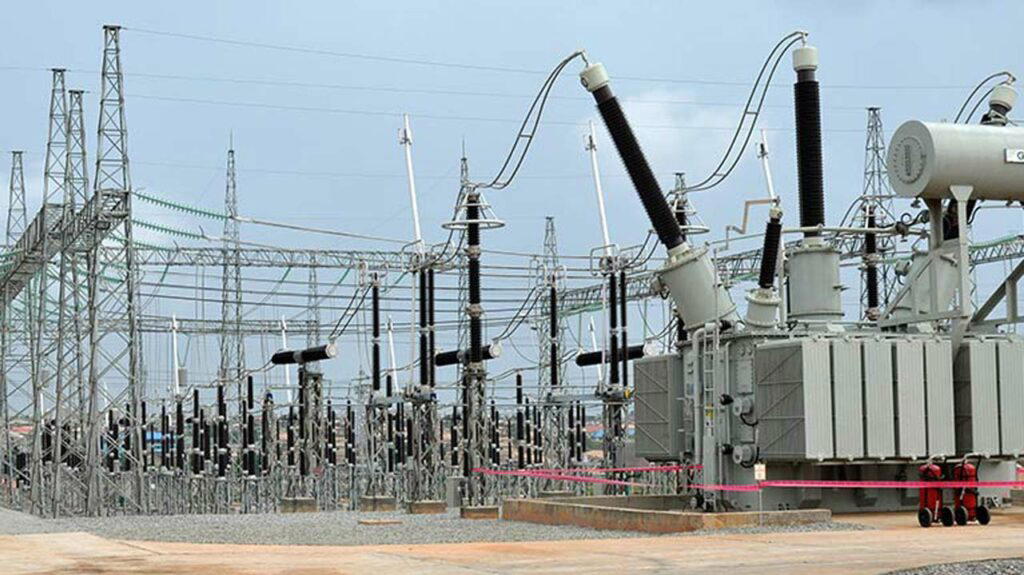
Power supply plunges as gas shortage, water level worsen
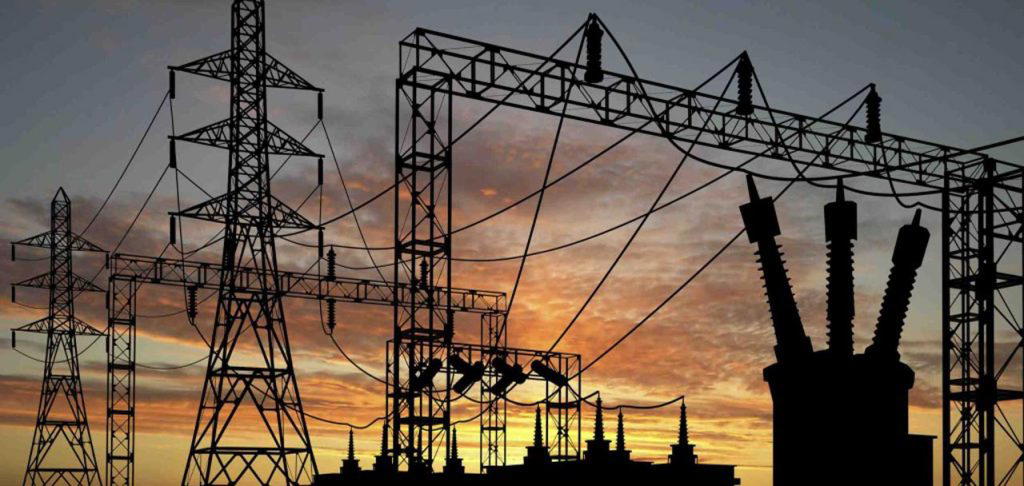
By Udeme Akpan, Obas Esiedesa & Ediri Ejor There are indications that electricity supply to consumers nationwide has worsened, with Distribution Companies (DisCos) receiving 2,926 megawatts (MW), amid inadequate gas supply, reduced water inflows into hydroelectric reservoirs and other operational constraints. The breakdown showed that Azura-Edo IPP contributed 437MW, Okpai 421MW, Afam VI 320MW, Delta 334MW, Shiroro hydro 295.90MW, Jebba hydro 245MW, Kainji hydro 214MW, Omotosho 174.90MW, Olorunsogo 157.50MW, Geregu 117MW and Egbin 111MW.
By Udeme Akpan, Obas Esiedesa & Ediri Ejor There are indications that electricity supply to consumers nationwide has worsened, with Distribution Companies (DisCos) receiving 2,926 megawatts (MW), amid inadequate gas supply, reduced water inflows into hydroelectric reservoirs and other operational constraints. Data obtained from the Nigerian Independent System Operator (NISO) showed a distribution across the DisCos with Abuja, Benin, Eko, Enugu and Ibadan DisCos receiving 633MW, 264MW, 256MW, 253MW and 391MW, respectively.
Similarly, Ikeja, Jos, Kaduna, Kano, Port Harcourt and Yola DisCos received 249MW, 146MW, 167MW, 173MW, 320MW and 74MW, respectively. Explaining the decline, NISO stated: “The limited availability of gas has constrained the capacity of affected thermal generating stations to operate at their available levels, while reduced water inflows into reservoirs have impacted the generation capacity of hydroelectric power stations.” The operator added that the constraints had reduced electricity allocations to DisCos, resulting in fewer hours of supply and increased load shedding across distribution networks.
“Consequently, the reduction in available generation has affected the quantum of electricity allocated to Distribution Companies (DisCos) for onward supply to consumers, thereby resulting in reduced hours of electricity supply and increased load shedding across distribution networks,” it stated further. Similarly, the Federal Ministry of Power acknowledged the impact of the outages on households, businesses and public institutions, particularly in areas that had recently recorded improvements in electricity supply.
A statement signed by Adeola Adelabu, Special Adviser (Media and Publicity) to the Minister of Power, the ministry said: “We recognise what every hour without power means for individuals, families and businesses, and we do not take it lightly.” The Ministry further said preliminary assessments showed that the disruptions were not caused by any major or systemic failure of the national grid.
It explained: “They stem from maintenance and operational issues on parts of the power ecosystem, together with a decline in generation caused by constraints in gas supply to thermal power stations and reduced output from hydroelectric stations due to lower water inflows into reservoirs.” The ministry disclosed that the Minister of Power, Joseph Tegbe, was working with the Transmission Company of Nigeria (TCN), NISO and DisCos to resolve the operational constraints, accelerate ongoing maintenance and restore normal supply.
Meanwhile, generation had recovered to 3,688.95MW as of the time of filing this report, indicating a possible improvement in electricity supply. The breakdown showed that Azura-Edo IPP contributed 437MW, Okpai 421MW, Afam VI 320MW, Delta 334MW, Shiroro hydro 295.90MW, Jebba hydro 245MW, Kainji hydro 214MW, Omotosho 174.90MW, Olorunsogo 157.50MW, Geregu 117MW and Egbin 111MW.
Other contributors included Omotosho NIPP, 102.10MW; Zungeru, 160MW; Olorunsogo NIPP, 90.60MW; Afam III, 70MW; Dadinkowa, 20.25MW; Paras Energy, 81.70MW; Omoku, 33.80MW; and Trans-Amadi, 2.20MW.
- supply
- power
- gas
- water
- discos
- electricity
- distribution
- level