Death a ‘distinct possibility’ in collision running and face-slapping competitions, inquiry hears
Impacts in emerging contact sports are akin to coward punches and cannot be made safer with regulation, neurologist says Get our breaking news email, free app or daily news podcast Collision running and face-slapping competitions have similar impacts to that of a coward punch or “king-hit”, with death a “distinct possibility”, a concussion expert has told a parliamentary inquiry. A New South Wales inquiry is examining whether emerging competitions such as Run Nation, in which two players run at each other and collide at high speed, and Power Slap, where players take turns slapping each other a
Impacts in emerging contact sports are akin to coward punches and cannot be made safer with regulation, neurologist says
Get our breaking news email, free app or daily news podcast
Collision running and face-slapping competitions have similar impacts to that of a coward punch or “king-hit”, with death a “distinct possibility”, a concussion expert has told a parliamentary inquiry.
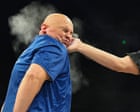
A New South Wales inquiry is examining whether emerging competitions such as Run Nation, in which two players run at each other and collide at high speed, and Power Slap, where players take turns slapping each other across the face, should be considered combat sports to better regulate the safety of participants.
But neurologist Dr Rowena Mobbs, an expert in concussion and chronic traumatic encepalopahty (CTE), told the inquiry she did not think there was “any form of modification” that would make the sports safer.
“Collision running and Power Slap are worse than eye-gouging and should be deemed a king-hit, for death is a distinct possibility,” she said.
A 19-year-old died in New Zealand last year after suffering a critical head injury playing a tackling game believed to have been inspired by the viral “run it straight” challenge, of which Run Nation’s organisers have claimed their competition is a safer version, turning rugby league “hit-ups” into a sport.
The inquiry was established in August. In September, a NSW supreme court judge ruled Run Nation was a combat sport, upholding a cancellation notice for a Sydney event that month from the Combat Sports Authority (CSA) of NSW.
The event has been rescheduled for 28 November after the authority’s medical advisory board approved its permit. Power Slap has yet to host an official event in Australia.
The chair of the CSA, Darren Kane, told the inquiry on Friday he would prefer to see new combat sports regulated, with mandated ambulance and medical support staff.
“If it was a regulated event, there’d be all these systems in place, and the people would have accreditations, they would have done concussion training, there would be doctors mandated at the events,” he said.
“Whereas you have these unregulated things, it’s pot luck.”
Run Nation’s organisers have said their events include on-field doctors and paramedics.
The inquiry did not hear from organisers of either competition, but received submissions from medical experts, bareknuckle boxing and grassroots combat sports groups.
Petero Taremwa, the founder of Get That Guap (GTG) fight club, which hosts mixed martial arts, kickboxing and boxing fights without a promoter’s licence, said the cost of participation was a “serious barrier” to fighters, while organisers faced significant costs from “permits, insurance, venues, and medical services”.
“We’re not here to dispute the importance of regulation. We’re here because we want a realistic pathway to comply,” he said.
Taremwa said there had been no significant injuries at GTG events, which “always had a nurse who is also our DJ, who looks at the fighters right after the fight”.
Under questioning from the inquiry chair, Labor MLC Sarah Kaine, Taremwa said he did not think he knew better than the CSA, but that the cost of on-site ambulances required under regulation was unreasonable for an entry-level organiser.
In her evidence, Mobbs said brain diseases in participants in football codes and traditional combat sports resulted from “subclinical concussions or silent events … when they add up to probably tens of thousands if not hundreds of thousands”.
But she said the stronger impacts experienced in collision running and face-slapping competitions meant a lower number of impacts could “trigger off a neurodegenerative disease, for example, later in life”.
Mobbs said she did not recall treating any patients with injuries from collision running or Power Slap.
She likened the potential impact to that of a coward punch or “king-hit”, because participants could not defend themselves and strikes came “right in the key area where you have most impact”.
The inquiry is expected to report back in December.
- inquiry
- death
- possibility
- collision
- face
- competition
- impact
- sport