Africa Energy Bank: A Defining Test for Africa’s Energy Sovereignty and Just Transition
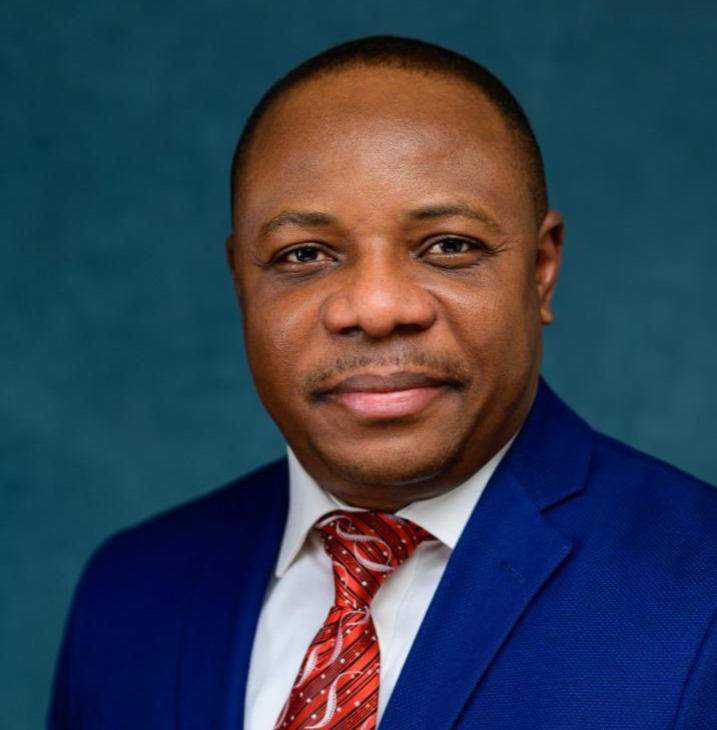
By Ambassador Gabriel Aduda Chief Insight Officer, World Energy Council Nigeria Former Federal Permanent Secretary and Former OPEC Governor for Nigeria The formal establishment of the Africa Energy Bank (AEB) by the African Petroleum Producers’ Organisation (APPO) and the African Export-Import Bank (Afreximbank), announced in Abuja on 31 October 2026, marks an important step towards African-led energy finance. Financing the Energy Trilemma Africa must balance three related goals: energy security, energy equity and environmental sustainability.
Why Africa’s newest financial institution must turn energy resources into energy access, industrial growth and lasting prosperity. By Ambassador Gabriel Aduda Chief Insight Officer, World Energy Council Nigeria Former Federal Permanent Secretary and Former OPEC Governor for Nigeria The formal establishment of the Africa Energy Bank (AEB) by the African Petroleum Producers’ Organisation (APPO) and the African Export-Import Bank (Afreximbank), announced in Abuja on 31 October 2026, marks an important step towards African-led energy finance.
The Bank has authorised capital of US$5 billion and is intended to finance projects across the energy value chain. Its establishment comes as traditional lenders reassess fossil fuel exposure, while African countries face urgent needs for electricity, clean cooking, infrastructure and industrial investment (APPO, 31 October 2026). The scale of the challenge is clear.
The International Energy Agency (IEA) estimates that about 600 million people in Africa lack electricity and more than one billion lack access to clean cooking (IEA, 2025). It also estimates that meeting Africa’s energy and climate goals will require annual investment exceeding US$200 billion by 2030 (IEA, 2024). The central question is whether the AEB can help meet these needs while strengthening energy security, affordability and sustainability.
Its success will depend not only on the capital it mobilises, but on the quality of its governance, investments and development outcomes. Beyond Financing Extraction The AEB can help address financing constraints facing African energy projects. But its lasting relevance should not be measured only by how much oil and gas production it finances. A bank focused narrowly on extraction would risk repeating a long-standing pattern: exporting raw resources while importing refined products, equipment, technology and manufactured goods.
Africa’s challenge is to convert energy resources into reliable power, competitive industries, jobs, local expertise and improved living standards. The AEB should therefore support integrated energy ecosystems, not isolated projects. A gas project, for example, should be assessed not only by production and export revenues, but also by its potential contribution to electricity, fertiliser, petrochemicals and industrial development.
Renewable generation should be considered alongside the transmission, storage and distribution systems needed to deliver power reliably and affordably. Financing supply without the infrastructure and productive demand that make it useful will limit its impact. Financing the Energy Trilemma Africa must balance three related goals: energy security, energy equity and environmental sustainability.
The priorities differ across countries and communities. An industrial centre may need dependable power; an underserved community may need affordable electricity and clean cooking; a petroleum-dependent economy may need to protect jobs and public revenue while diversifying. The AEB should respond to these different needs with a diversified portfolio.
This could include responsible petroleum and gas development, renewables, transmission and distribution, storage, regional interconnections, energy efficiency and clean cooking. Grid infrastructure deserves particular attention: adding generation capacity alone will not solve reliability or access problems if electricity cannot reach users. The Bank’s task is therefore broader than financing energy supply.
It must help finance the systems that make energy accessible, dependable and economically productive. A Just Transition Grounded in African Realities A just transition in Africa must reflect the continent’s development starting point. Many countries face large gaps in electricity access, infrastructure, industrial capacity and finance, while contributing a relatively small share of historical global emissions and facing serious climate risks.
Justice therefore includes the right to development, modern energy, decent work, industrial competitiveness, fair access to finance and nationally determined transition pathways consistent with climate commitments. This requires careful choices. In some markets, gas may help replace diesel generation, support power reliability or provide feedstock for industry.
But gas projects are capital intensive and depend on credible demand, competitive pricing, methane control and realistic long-term utilisation. Projects that cannot meet these tests may become stranded assets, leaving costs with governments and future generations. Renewables should be a substantial part of the AEB’s portfolio. Solar, wind, hydropower, geothermal power, storage, decentralised systems and clean cooking can diversify energy supply and expand access.
Their deployment, however, also requires stronger grids, affordable finance and predictable regulation. Africa’s transition should be sequenced to deliver reliable energy, economic diversification, environmental responsibilit
- energy
- africa
- bank
- transition
- electricity
- aeb
- access
- african