Countries with the largest armies, tanks, naval fleet and aircraft
The top 10 countries with the largest active military forces are China, with 2,035,000 personnel; India, with 1,431,000; the United States, with 1,333,030; North Korea and Russia, with 1,320,000 each; Ukraine, with 900,000; Pakistan, with 660,000; Iran, with 610,000; Ethiopia, with 503,000; and Türkiye, with 481,000. Tank Ranks by Country China leads the ranking of countries with the largest tank inventories, followed by Russia, while North Korea occupies third place ahead of the United States.
Military strength can be measured in several ways, including the number of active personnel, tanks, military aircraft and naval vessels. A country that ranks highly in one category may occupy a lower position in another, highlighting the different priorities and capabilities of armed forces worldwide. Using 2026 data from Global Firepower, this comparison examines the 10 countries with the largest military inventories across four key categories: active military personnel, tanks, military aircraft and naval assets.
Active Personnel China has the world’s largest active military force, with approximately 2.04 million personnel. India ranks second with 1.43 million, followed by the United States with about 1.33 million active personnel. North Korea and Russia are also prominent in the ranking, each with approximately 1.32 million active personnel, according to the figures provided.
Their positions highlight the substantial manpower maintained by countries with different military priorities. The top 10 countries with the largest active military forces are China, with 2,035,000 personnel; India, with 1,431,000; the United States, with 1,333,030; North Korea and Russia, with 1,320,000 each; Ukraine, with 900,000; Pakistan, with 660,000; Iran, with 610,000; Ethiopia, with 503,000; and Türkiye, with 481,000.
The figures cover active personnel across the armed forces but exclude reservists and paramilitary organisations. North Korea’s high ranking reflects its emphasis on preparing for a potential conflict on the Korean Peninsula. Its military structure places considerable importance on ground forces, with significant strength positioned near the Demilitarised Zone separating the country from South Korea.
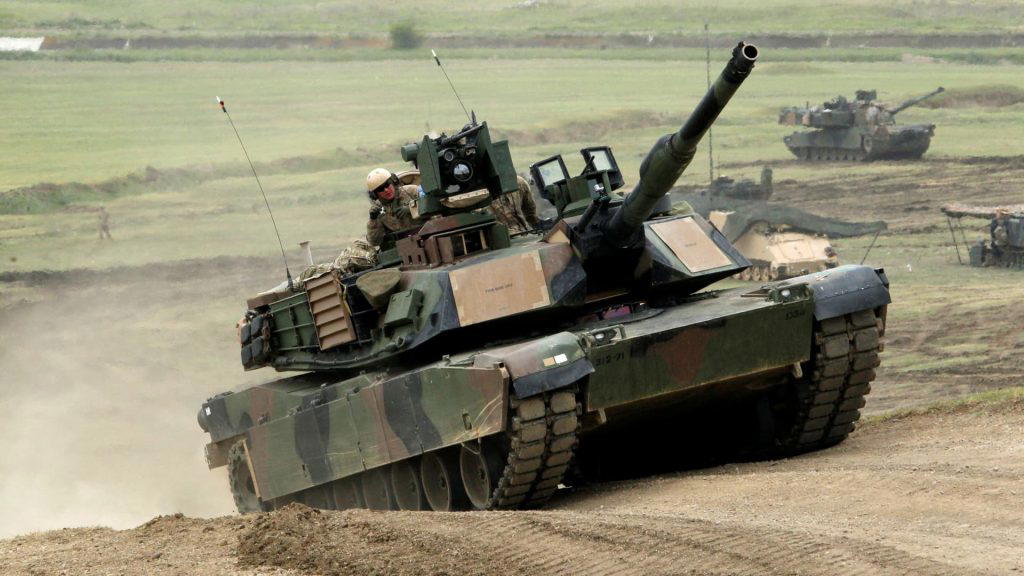
Japan’s 2026 defence white paper also highlights the security challenges surrounding the Korean Peninsula and the military capabilities maintained by North Korea. Tank Ranks by Country China leads the ranking of countries with the largest tank inventories, followed by Russia, while North Korea occupies third place ahead of the United States. The figures illustrate the importance several countries continue to place on land-based military operations, although the number of tanks alone does not determine the effectiveness of an armoured force.
Russia has 5,870 tanks, while China follows closely with 5,630. North Korea ranks third with 4,895 tanks, ahead of the United States, which has 4,666. India occupies fifth place with 3,913 tanks, followed by Egypt with 3,620. Pakistan ranks seventh with 2,677, while Iran is eighth with 2,675. Türkiye takes ninth place with 2,284 tanks, and Vietnam rounds out the top 10 with 1,999.
North Korea’s extensive tank inventory reflects its long-standing focus on conventional ground warfare. Research published by the Royal United Services Institute (RUSI) indicates that the country operates a combination of older Soviet-inspired designs and newer equipment. Maintaining a large number of tanks can provide a military with substantial ground-firepower capacity.
However, the age and technological sophistication of the vehicles also matter. Modern armour, targeting systems, sensors, weapons and battlefield communications can significantly affect the performance of tanks in combat. Consequently, a country with a larger inventory does not necessarily possess a more effective armoured force than one with fewer but more advanced vehicles.
Military Aircraft The United States has the world’s largest military aircraft inventory, with 13,032 aircraft, placing it far ahead of other countries. Its fleet is more than three times the size of Russia’s and exceeds the combined totals of the next four countries in the ranking. Russia comes second with 4,237 military aircraft, followed by China with 3,529.
India ranks fourth with 2,183, while South Korea occupies fifth place with 1,540. Pakistan follows with 1,429 aircraft, ahead of Japan, which has 1,397. Türkiye ranks eighth with 1,101, while Egypt has 1,088. France completes the top 10 with 974 military aircraft. The ranking includes aircraft across military branches, covering helicopters, transport planes, training aircraft and other military aviation assets, rather than combat jets alone.
The United States’ substantial advantage reflects the requirements of maintaining military operations across multiple regions of the world. Its armed forces need to transport troops, equipment and supplies over long distances while supporting combat missions far from home bases. These operations depend on a broad aviation network that includes cargo aircraft, aerial refuelling tankers, helicopters and fighter jets.
The ability to transport personnel and equipment and keep aircraft supplied with fuel is essential to sustaining military operations overseas. However, the difference between the United States and China becomes smaller when the comparison is restricted to fighter and interceptor aircraft. The United States has 1,791 fighters and interceptors, compared with Ch
- aircraft
- country
- tank
- korea
- personnel
- force
- north
- united