Shisha smoking is slow suicide – Cardiologist warns
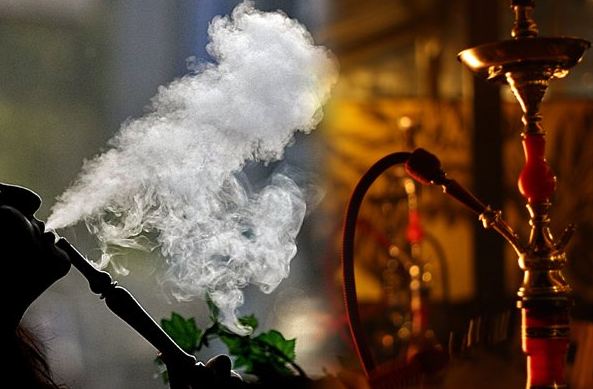
Former Director of the Korle Bu Cardio Centre, Dr Lawrence Serebour, has described shisha smoking as “slow-acting suicide”, warning that the practice exposes users to harmful chemicals that can damage vital organs and cause cancer. Dr Serebour dismisses claims shisha is less harmful because smoke passes through water Dr Serebour dismissed the suggestion that water acts as a filter for harmful substances in shisha smoke.
Former Director of the Korle Bu Cardio Centre, Dr Lawrence Serebour, has described shisha smoking as “slow-acting suicide”, warning that the practice exposes users to harmful chemicals that can damage vital organs and cause cancer. He said the belief that shisha is less harmful than conventional cigarettes because its smoke passes through water is false, stressing that the water does not filter out dangerous chemicals.
Speaking on Joy FM’s Super Morning Show on Friday, November 6, during a discussion on “Shisha: Status Symbol or Slow Poison”, Dr Serebour said the charcoal used to heat tobacco in shisha pipes produces high levels of carbon monoxide. “It’s a lie. In fact, the carbon monoxide that you inhale from shisha smoking is far more than what you get from cigarette smoking,” he said.
He explained that carbon monoxide can affect the heart, lungs and the body’s ability to transport oxygen through the blood. “And carbon monoxide has effects on your heart. It has effects on your lungs, everywhere in your blood and how your blood carries oxygen,” he said. Read Also: ‘It’s a lie’- Dr Serebour dismisses claims shisha is less harmful because smoke passes through water Dr Serebour dismissed the suggestion that water acts as a filter for harmful substances in shisha smoke.
“So, it’s a lie that because it passes through water, it does not filter the chemicals, the bad chemicals at all. It does not do that. It’s a lie,” he said. A high volume of smoke The cardiologist further warned that an hour-long shisha session could expose a user to an amount of smoke equivalent to that from 100 to 200 cigarettes. “One hour spent on the shisha machine is equivalent to smoking 100 to 200 sticks of cigarette,” he said.
He explained that while a cigarette may be finished after about 20 puffs, a shisha user could inhale smoke more than 200 times in an hour. “You light a cigarette. By the time you puff 20 times, it’s finished. But shisha, you puff over 200 times in an hour,” he said. Dr Serebour also noted that tobacco smoke contains more than 7,000 harmful chemicals, about 70 of which are carcinogenic.
He said tobacco smoking is associated with cancers of the mouth, lips, larynx, oesophagus, lungs and bladder, as well as other complications affecting the heart and other organs. “It has a lot of effects on the heart, on the lungs, and the other organs of the body, causing cancer of the mouth, of the lips, of the larynx, of the oesophagus, the lungs, bladder, a lot of other problems that it creates,” he said.
“You are poisoning yourself. You are producing cancer for your body,” he added. ‘Slow-acting suicide’ Dr Serebour said the health consequences of shisha smoking informed his description of the practice as a form of slow suicide. “So, spending time, spending money on smoking this shisha is quite harmful to the body. I call it suicide. You know, slow-acting suicide, that’s all,” he said.
He warned that users risk exposing themselves to serious health complications through continued smoking. The cardiologist also cautioned that shisha can be addictive because of the nicotine contained in tobacco products. Asked whether the practice was addictive, he said: “Nicotine is highly, highly addictive.” He added that some tobacco products contain other substances that can further increase their addictive potential.
- shisha
- smoking
- suicide
- smoke
- cardiologist
- serebour
- cigarette
- chemical