New Zealand election too close to call with half the votes counted
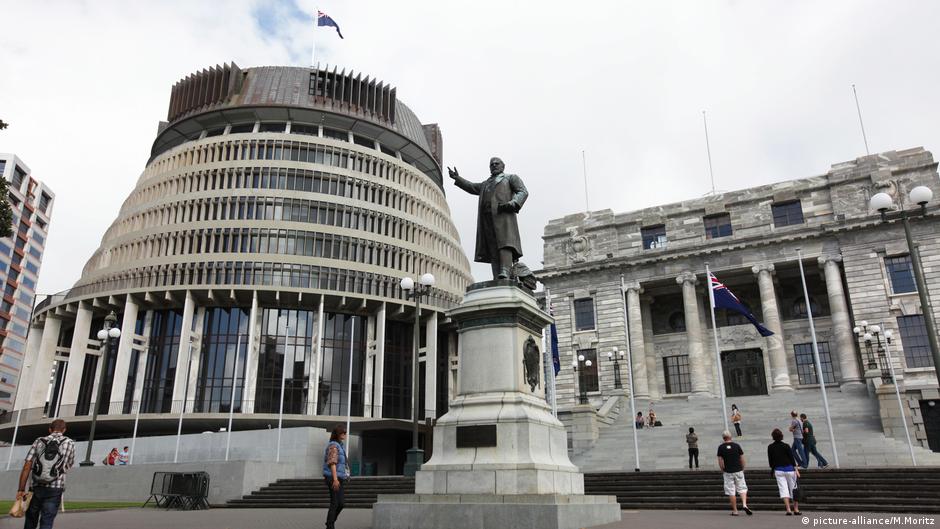
Early results after polls closed in New Zealand show the two main parties neck-and-neck. The country has strict election-day laws on political reporting to prevent voters from being swayed at the last minute.
Voters in New Zealand cast their ballots on the final day of close-fought general elections on Saturday, with the rising cost of living and general economic problems the main issues at stake.
Results with over half of votes counted at 9:44 p.m. local time (0844 GMT) showed the ruling center-right National Party and the opposition Labour Party neck-and-neck at 29%.
The voting took place under New Zealand's strict laws banning media reporting and political campaigning on the final day.
New Zealanders have, however, been able to cast their votes since October 26, with almost 1.7 million of the country's 3.8 million eligible voters already casting their ballots by Thursday, according to the electoral commission.
Final results are expected to be released on November 27.
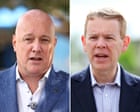
Among the main candidates are Prime Minister Christopher Luxon, leader of the center-right National Party, and Chris Hipkins, leader of the center-left Labour.
A final opinion poll released on Friday put Labour at 30% of the vote, just ahead of the National Party, but the election is being seen as too close to call, and neither of the two parties is likely to win a governing majority.
One minor party, the centrist Opportunity Party, has also been put by polls at more than 5%, the threshold needed to gain seats in parliament without an electoral candidate win.
New Zealand has a mixed-member proportional system that requires voters to tick two options: a party and a local electoral candidate.
Electorate winners earn a seat in parliament, which typically has 120 seats, unless a so-called overhang leads to more lawmakers being returned to parliament, along with the highest-ranked members of the party based on their national party vote.
The vote has taken place against a backdrop of high prices for basic goods and the highest unemployment in more than a decade.
- zealand
- election
- neck
- vote
- result
- poll
- party
- country