68 days to polls: Struggling Nigerians make 2027 demands
• Send strong messages to Tinubu, Atiku, Obi, Makinde, Adebayo, Donald Duke, others • Affordability, security, steady power supply top list By Steve Oko, Olasukanmi Akoni, Esther Onyegbula, Cynthia Alo, Shina Abubakar, Rotimi Ojomoyela, Golok Nanmwa, James Ogunnaike, Musa Ubandawaki, Peter Duru, Haruna Aliyu, Deola Badru & Chiamaka Ekwuwe Hunger is biting harder, insecurity is spreading fear across communities, businesses are groaning under the weight of rising energy costs, and millions of Nigerians are struggling to survive on incomes that can hardly meet their basic needs. The expectations…
• Send strong messages to Tinubu, Atiku, Obi, Makinde, Adebayo, Donald Duke, others • Affordability, security, steady power supply top list By Steve Oko, Olasukanmi Akoni, Esther Onyegbula, Cynthia Alo, Shina Abubakar, Rotimi Ojomoyela, Golok Nanmwa, James Ogunnaike, Musa Ubandawaki, Peter Duru, Haruna Aliyu, Deola Badru & Chiamaka Ekwuwe Hunger is biting harder, insecurity is spreading fear across communities, businesses are groaning under the weight of rising energy costs, and millions of Nigerians are struggling to survive on incomes that can hardly meet their basic needs.
From the farmer afraid of returning to his farm to the unemployed graduate searching endlessly for a job, the average Nigerian is looking towards the 2027 general elections, with 68 days to the polls, with one overriding expectation: a president who will make life worth living again. With the political atmosphere charged ahead of the presidential election, Nigerians across the country have sent a strong message to the presidential candidates: the next occupant of Aso Rock must move beyond campaign rhetoric and confront hunger, poverty, insecurity, unemployment, inflation and the worsening living conditions of citizens.
Expectations The expectations are particularly high as President Bola Ahmed Tinubu of the All Progressives Congress (APC) seeks another mandate, facing an array of contenders, including former Vice-President Atiku Abubakar of the African Democratic Congress (ADC); former Anambra State Governor, Peter Obi, of the Nigeria Democratic Congress (NDC); Oyo State Governor, Seyi Makinde, of the Allied Peoples Movement (APM); Senator Sandy Ojang Onor of the Peoples Democratic Party (PDP); former Cross River State Governor, Donald Duke, of the Peoples Redemption Party (PRP); Omoyele Sowore of the African Action Congress (AAC); and Adewole Adebayo of the Social Democratic Party (SDP).
Other candidates on the Independent National Electoral Commission’s published list include Sunday Chibuzo Okereke of the Labour Party (LP), Rufai Adekunle Omo-Aje of the Action Alliance (AA), Abbas-Bin Aliyu of the Action Democratic Party (ADP), Yusuf Kabiru of the Allied Peoples Party (APP), Sunday Adenuga of the Boot Party (BP), Moses Olusoji Adebisi of the Democratic Leadership Alliance (DLA), Ada Elizabeth Frederick Okwori of the National Democratic Party (NDP), Nkem Esther Okereke of the National Rescue Movement (NRM), Peter Ada Agada of the Young Progressives Party (YPP) and Daniel Daberechukwu Nwanyanwu of the Zenith Labour Party (ZLP).
Survival Beyond the political parties, personalities and permutations surrounding the election, those who spoke to Sunday Vanguard in this public opinion survey said their concerns are fundamentally about survival, dignity and a better future. In contributions from different states and across professional backgrounds, respondents identified seven major areas they want the next president to address: insecurity, economic hardship and the rising cost of living, stable electricity and infrastructure, employment and youth empowerment, quality education, accessible healthcare, and accountability in governance.
Given the current realities in the country, Sunday Vanguard notes that their demands are not necessarily extravagant. They want to eat without struggling, travel without fear of kidnapping, operate businesses without spending fortunes on diesel and petrol, send their children to good schools, access affordable medical treatment and earn enough to live decently.
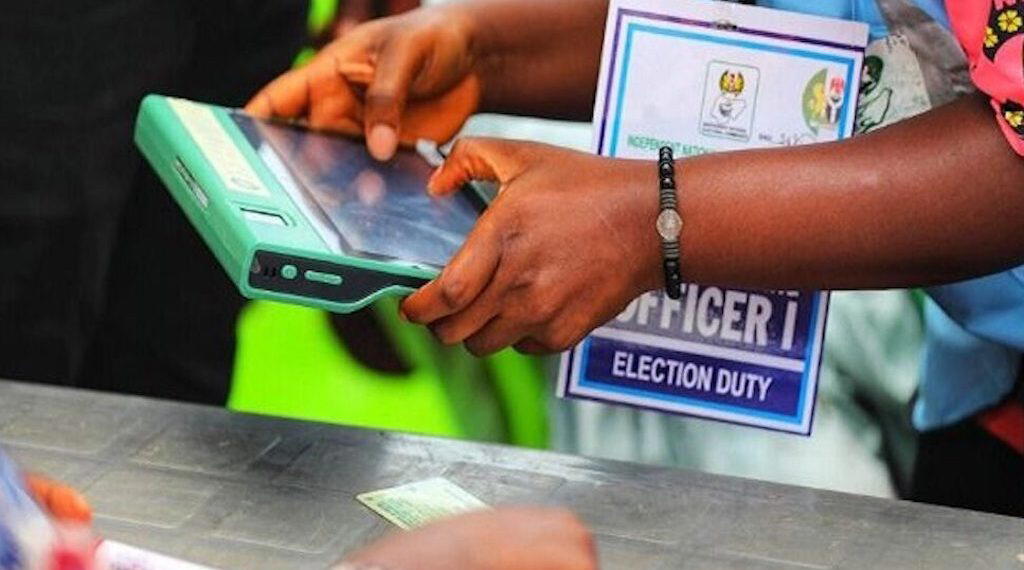
For some, the immediate concern is the price of food and petroleum products. For others, it is the frightening state of insecurity, unreliable electricity, unemployment and the deteriorating condition of public institutions. There are also those who believe that unless the electoral process, judiciary and other institutions are strengthened, successive administrations may continue to make promises without being held accountable.
Social welfare Interestingly, while some respondents advocated state police, the revival of government-owned refineries, direct election of electoral officials and judicial reforms, others called for social welfare payments, lower political expenditure, affordable housing, entrepreneurship education and stronger support for small businesses. The common thread running through their contributions is that Nigerians want a government whose policies will be felt in their homes, workplaces, farms, schools and hospitals.
For the presidential candidates, therefore, the challenge is not simply to present attractive manifestoes or win the confidence of party faithful. It is to convince a population under considerable economic and social pressure that they have practical answers to the problems confronting the country. In the words of one of the respondents, Nigerians are no longer interested in grand promises.
They want to see improvements in their lives. As observed across the country, the question uppermost in the minds of many citizens i
- party
- democratic
- nigerians
- state
- insecurity
- president
- congress
- peoples