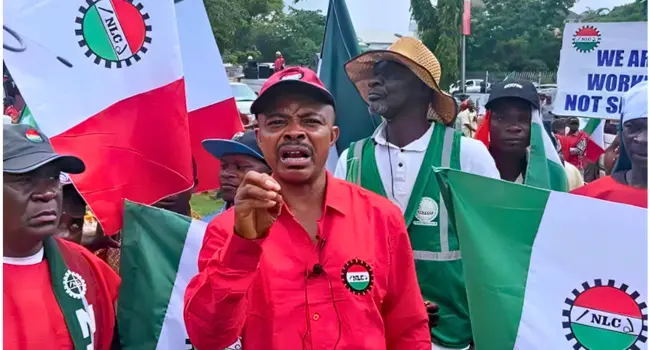
People’s welfare must drive Nigeria’s economic reforms – Stakeholders declare

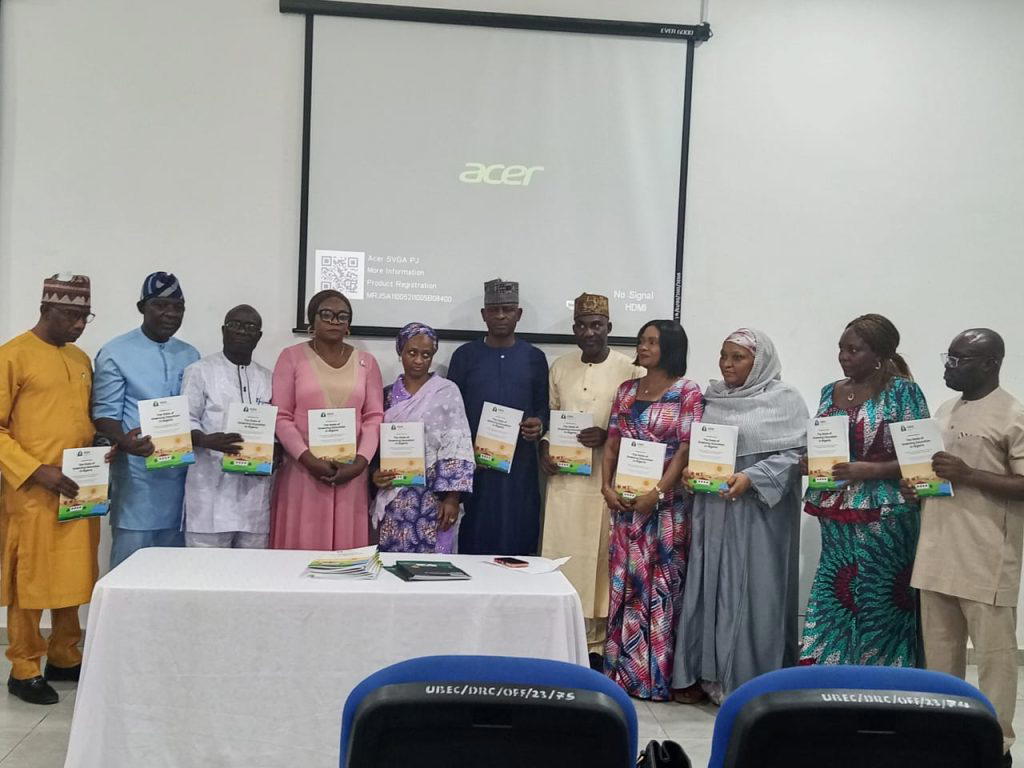
The stakeholders made the call at the 2026 Annual Conference of the Labour Writers Association of Nigeria (LAWAN), held in Lagos, with the theme, “Workers at the Centre of Nigeria’s Political Transition: Defending Rights, Advancing Welfare and Building Economic Justice.” Participants included representatives of the Nigeria Labour Congress (NLC), Trade Union Congress of Nigeria (TUC), Nigeria Social Insurance Trust Fund (NSITF), Petroleum and Natural Gas Senior Staff Association of Nigeria (PENGASSAN), Nigeria Union of Petroleum and Natural Gas Workers (NUPENG), Food, Beverage and Tobacco…
By Victor Ahiuma-Young Stakeholders in the labour movement, academia, the media and other sectors have called on the Federal Government to place people’s welfare at the centre of its economic reform policies, insisting that sustainable economic growth cannot be achieved at the expense of workers’ rights, decent wages and social protection. The stakeholders made the call at the 2026 Annual Conference of the Labour Writers Association of Nigeria (LAWAN), held in Lagos, with the theme, “Workers at the Centre of Nigeria’s Political Transition: Defending Rights, Advancing Welfare and Building Economic Justice.” In a communiqué issued at the end of the conference, participants stressed that economic reforms must translate into improved living conditions, decent employment, affordable transportation, effective social security and greater protection for workers and pensioners.
Participants included representatives of the Nigeria Labour Congress (NLC), Trade Union Congress of Nigeria (TUC), Nigeria Social Insurance Trust Fund (NSITF), Petroleum and Natural Gas Senior Staff Association of Nigeria (PENGASSAN), Nigeria Union of Petroleum and Natural Gas Workers (NUPENG), Food, Beverage and Tobacco Senior Staff Association (FOBTOB), Association of Senior Civil Servants of Nigeria (ASCSN), Precision Electrical and Related Equipment Senior Staff Association (PERESSA), as well as academics, activists and politicians, among others.
They declared that “workers’ welfare and purchasing power are important drivers of economic growth and domestic consumption,” urging the Federal Government to formulate policies that would stimulate local businesses, increase household consumption and strengthen economic activities. The conference maintained that “sustainable economic growth cannot be achieved without decent wages, secure employment, effective social protection, respect for workers’ rights and institutional accountability.” Welfare of journalists On the welfare of journalists, the stakeholders expressed concern over poor remuneration, unfavourable working conditions and inadequate welfare packages confronting media workers across the country.
They called on the Nigeria Union of Journalists (NUJ) to strengthen its trade union responsibilities by engaging media employers in collective bargaining negotiations aimed at securing improved salaries, better conditions of service and other welfare benefits for journalists. The communiqué stated that “journalism, while a professional calling, is also an employment-based occupation for the majority of practitioners,” stressing that trade union representation and collective bargaining were indispensable to protecting journalists’ interests.
The conference also urged media proprietors, professional associations and the Guild of Editors to collaborate in ensuring decent working conditions for media workers. Identifying the challenges confronting journalists, participants highlighted rising transportation costs, inadequate housing opportunities and weak social security arrangements as major obstacles to their welfare and professional effectiveness.
They called for the revival of the journalists’ housing scheme through partnerships with mortgage institutions to enable media workers to acquire homes under affordable and sustainable payment arrangements. The stakeholders further urged the NUJ and other relevant organisations to develop comprehensive welfare programmes covering healthcare, transportation, housing and retirement security.
Expressing concern over growing employment insecurity in the media industry, the conference called on media employers to guarantee improved salaries, job security, pension benefits and better conditions of service. It noted that poor remuneration and unfavourable working conditions had contributed to the frequent movement of journalists from one media organisation to another.
Minimum wage review On the forthcoming national minimum wage review, the conference called on the Federal Government, employers and organised labour to commence consultations and negotiations ahead of the next review and implementation scheduled for April 2027. It urged both parties to ensure that the next minimum wage determination reflects prevailing inflationary trends, the cost-of-living index, the value of the naira and the actual costs of food, accommodation, transportation and other essential services.
According to the communiqué, “wage negotiations should be guided by credible economic data rather than arbitrary figures.” The conference also called for measures to protect workers’ purchasing power against the persistent erosion of wages by inflation. Transportation crisis On the transportation crisis, participants expressed concern over the rising cost of commuting and its impact on workers’ disposable income.
They urged the Federal Government to develop sustainable and affordable public transportation systems, including the effective deployment of Compressed Natural Gas (CNG)-powered
- welfare
- nigeria
- medium
- worker
- journalist
- association
- condition
- conference