Sokoto security adviser backs military exit from policing
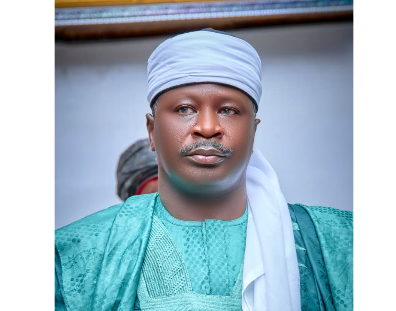
By Musa Ubandawaki, Sokoto The Special Adviser to the Sokoto State Governor on Security Matters, Col. Ahmed Abdul Usman (rtd.), has backed the Federal Government’s plan to gradually withdraw military personnel from routine internal security operations, describing it as a strategic move to strengthen Nigeria’s security architecture. The security adviser stated this while reacting to the recent announcement by the Minister of Defence, Gen. Christopher Musa (rtd.), that the Armed Forces would gradually withdraw from internal security duties as the Federal Government strengthens the operational…
By Musa Ubandawaki, Sokoto The Special Adviser to the Sokoto State Governor on Security Matters, Col. Ahmed Abdul Usman (rtd.), has backed the Federal Government’s plan to gradually withdraw military personnel from routine internal security operations, describing it as a strategic move to strengthen Nigeria’s security architecture. Usman said the proposed repositioning of security agencies would enable the Nigeria Police Force to assume greater responsibility for maintaining law and order, while allowing the military to concentrate on its constitutional responsibility of defending the country’s territorial integrity.
The security adviser stated this while reacting to the recent announcement by the Minister of Defence, Gen. Christopher Musa (rtd.), that the Armed Forces would gradually withdraw from internal security duties as the Federal Government strengthens the operational capacity of the police. Musa had made the disclosure at the APC Abuja Roundtable, noting that the move was part of efforts to reposition the country’s security institutions.
According to Usman, the initiative presents an opportunity to restore institutional balance, promote professionalism and ensure that security agencies operate within their respective constitutional mandates. He argued that the police, given their statutory responsibilities and proximity to communities, were better positioned to handle routine domestic security challenges, including crime prevention, law enforcement, intelligence gathering and maintenance of public order.
The retired military officer said the prolonged deployment of soldiers for internal security assignments had placed considerable pressure on military personnel and resources, potentially affecting their ability to address increasingly sophisticated security threats. He, however, cautioned that the proposed withdrawal must be gradual, carefully managed and strategically coordinated to prevent security gaps that could be exploited by terrorists, bandits and other criminal groups.
Usman stressed that the withdrawal of soldiers from routine policing should not be interpreted as an end to military involvement in domestic security operations, adding that the Armed Forces must remain available to provide support whenever security challenges exceed the operational capacity of the police. He said the transition required a clearly defined operational framework to guarantee effective coordination, rapid response and sustained security presence in vulnerable communities.
The security adviser also called for stronger collaboration among the military, police, Department of State Services (DSS) and other security agencies, stressing that intelligence sharing, joint operations and inter-agency cooperation were essential to tackling insecurity. He warned that no single security agency could effectively address Nigeria’s complex security challenges in isolation, insisting that a coordinated national response was necessary to dismantle criminal networks and restore public confidence.
Usman further urged the Federal Government to increase investment in police recruitment, professional training, modern operational equipment, intelligence infrastructure and logistical support to prepare the force for its expanded responsibilities. He said strengthening the police should go beyond increasing personnel numbers to include improved welfare, institutional discipline, modern technology and enhanced operational capacity to tackle emerging security threats.
The retired colonel expressed optimism that a properly managed transition, backed by adequate funding and sustained inter-agency cooperation, would produce a more balanced and responsive security system. He said the ultimate objective should be to establish a security architecture in which every agency effectively performs its constitutional responsibilities while retaining the flexibility to respond to extraordinary threats to national peace and stability.
- security
- adviser
- police
- sokoto
- usman
- agency
- responsibility
- military


