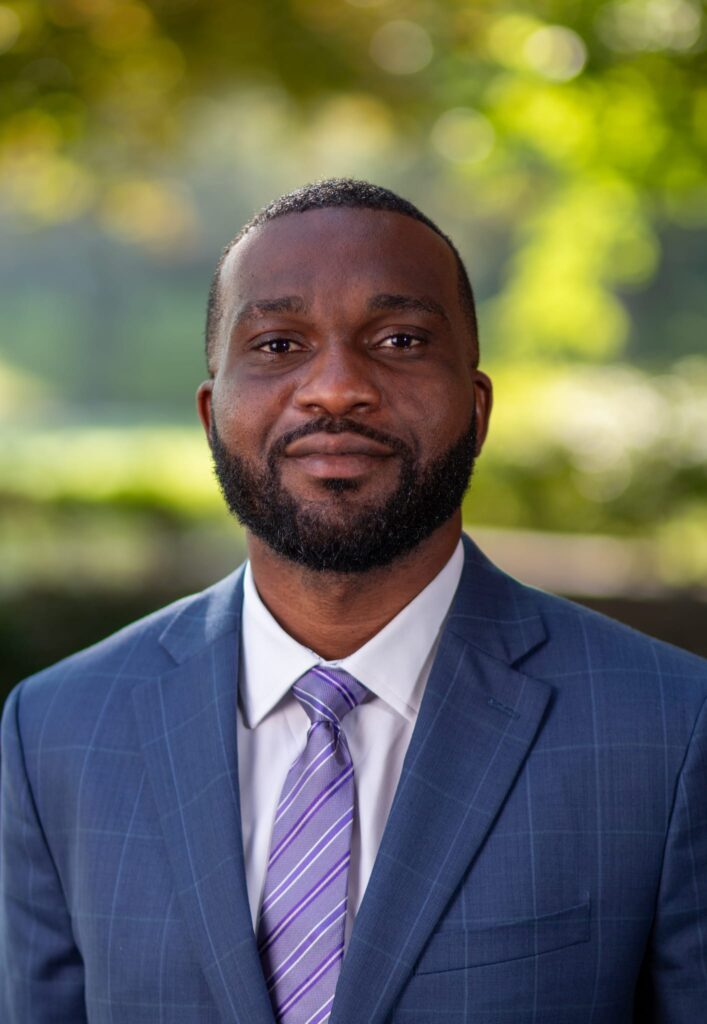
Outcry as J&K Bank implements reservation policy pushed by ex-chairman and VHP trustee R.K. Chhibber

The bank has decided to fill 1400 vacancies, including 323 probationary officers and 1033 posts for banking associates, as per the new reservation policy
The amended reservation policy of the J&K Bank, which was introduced by ex-chairman R.K. Chhibber in 2021-2022, who was later appointed as a Trustee of the Vishwa Hindu Parishad (VHP), on Monday (November 9, 2026) triggered a political storm with regional political parties, religious and social organisations opposing it, with many terming it “an act of exclusion in the garb of reservation”.
For the first time, the J&K Bank, which provides high-end jobs in a region with a low corporate footprint, is facing a push from the regional parties, including the ruling National Conference (NC). The bank has decided to fill 1400 vacancies, including 323 probationary officers and 1033 posts for banking associates, as per the new reservation policy. It also reduced the age limit from 32 to 30 for the Open Merit and increased the age criteria for the reserved categories to 40 years.
“The existing upper age limit of 30 years needed reconsideration. The recruitment age limit should be raised to 40 years to provide more opportunities to eligible aspirants,” said J&K Education Minister Shamima Firdous.
The J&K Bank is considered one of the main non-government recruitment agencies of the Union Territory (UT). Around 1.40 lakh locals had applied for 1500 banking associates in 2021-2022 during the tenure of Mr. Chhibber, who later faced allegations of regional imbalance with more candidates selected from the Jammu region against the aspirants from the Kashmir division. In spite of being selected as a trustee of the VHP, Mr. Chhibber continued to be on the Board of Directors till 2026 and remained a key proponent for introducing the new reservation policy.
According to the notification, the bank has decided to open positions to 60% for the reserved categories and 40% for the Open Merit. The reservation policy adopted by the bank recruitment included 8% from the Schedule Caste, 20% from the Schedule Tribe, 8% from the Other Backward Classes, 4% from the Actual Line of Control/International Border, 10 % from the Resident of Backward Area (RBA)and 10% from the Economically Weaker Section (EWS).
The J&K Students Association (JKSA) sought intervention of J&K Lieutenant-Governor into the matter. “Only approximately 542 posts fall under Open Merit, while the remaining vacancies are allocated to reserved categories. Merit should remain the cornerstone of recruitment and every eligible candidate must have a fair opportunity to compete. The educated youth of J&K have already endured years of uncertainty and limited employment opportunities. They should not be penalised for circumstances over which they had no control,” reads the letter written by Zubair Reshi, national spokesperson of the JKSA, addressed to the L-G.
The letter demanded that the concerns surrounding the availability of opportunities, equitable representation and the overall recruitment framework “deserve careful examination by the competent authorities”. It pointed out that the bank announcement of fresh recruitment came “after a prolonged gap of nearly six years”.
“The upper age limit has caused widespread disappointment among aspirants. Thousands of young people have invested years of their lives, considerable financial resources and immense effort in preparing for competitive examinations,” it added.
Opposition Peoples Democratic Party (PDP) legislator Waheed ur Rehman Parra termed the bank recruitment policy “a concern”. “It’s deeply concerning. The age limit at 20-30 years is completely unfair to thousands of overaged aspirants who have been waiting patiently for years. Applying reservation policies in a commercial institution like J&K Bank undermines meritocracy for our local youth. Revoke reservation in the recruitment. Give our educated youth a fair and equal chance,” said Mr. Parra.
CPI(M) leader has backed the demands of the students. “The government has set the recruitment age at 40 years. Given the rising unemployment in J&K, I request the J&K Bank authorities to reconsider the age criteria and raise the upper age limit, thereby providing an opportunity to more deserving and eligible candidates,” CPI(M) leader M.Y. Tarigami.
J&K grand mufti Nasirul Islam said the recruitment policies must be guided by fairness, inclusivity and a realistic understanding of the challenges faced by our educated youth. “The existing concerns surrounding category-wise age relaxations have added to the anxiety of aspirants, especially those in the Open Merit category, who feel that their aspirations are increasingly constrained,” said Mr. Islam.
He said the recruitment framework must also ensure that the Open Merit candidates “were not left feeling disadvantaged or deprived of a fair opportunity to compete”.
“The government and the concerned authorities must look at this issue with sensitivity and engage with the concerns of all categories. J&K cannot afford to further discourage an entire generation of educated youth who are already navigating unemployment, limited avenues and prolonged recruitment cycles,” said Mr. Islam.
He said recruitment should open doors to merit and talent, not create additional barriers for those who have already waited too long. “A balanced policy is not one that favours one category over another, but one that upholds constitutional fairness, equal opportunity and the dignity of every aspiring candidate,” he added.
In Kashmir, the aspirants pointed out there was no population of the SC category and the bank also allowed “vertical appointment”.
“Any reserved category aspirant could also compete in the Open Merit Category and retain a seat from this category and add one more seat to the reserved category. It’s exclusion of candidates in the name of reservation,” said an aspirant.
- bank
- reservation
- policy
- outcry
- vhp
- trustee
- chhibber
- chairman