How fragmented health data systems take time away from patient care

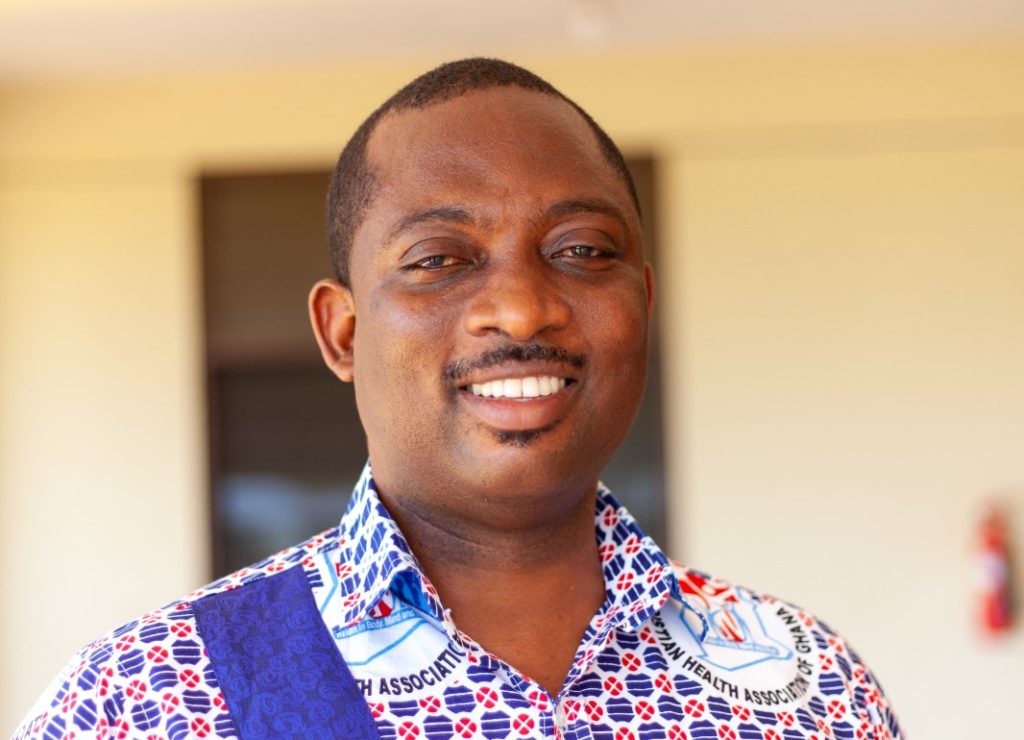
The World Health Organisation (WHO) says this fragmentation is adding to the administrative workload of health workers in African countries, with implications for the time they can devote to caring for patients. Team Lead for Health Information, Knowledge Management, Digital Health and Artificial Intelligence at the WHO Regional Office for Africa, Dr Benson Droti, said some countries had allowed individual health programmes to develop their own information systems, resulting in duplicated reporting.
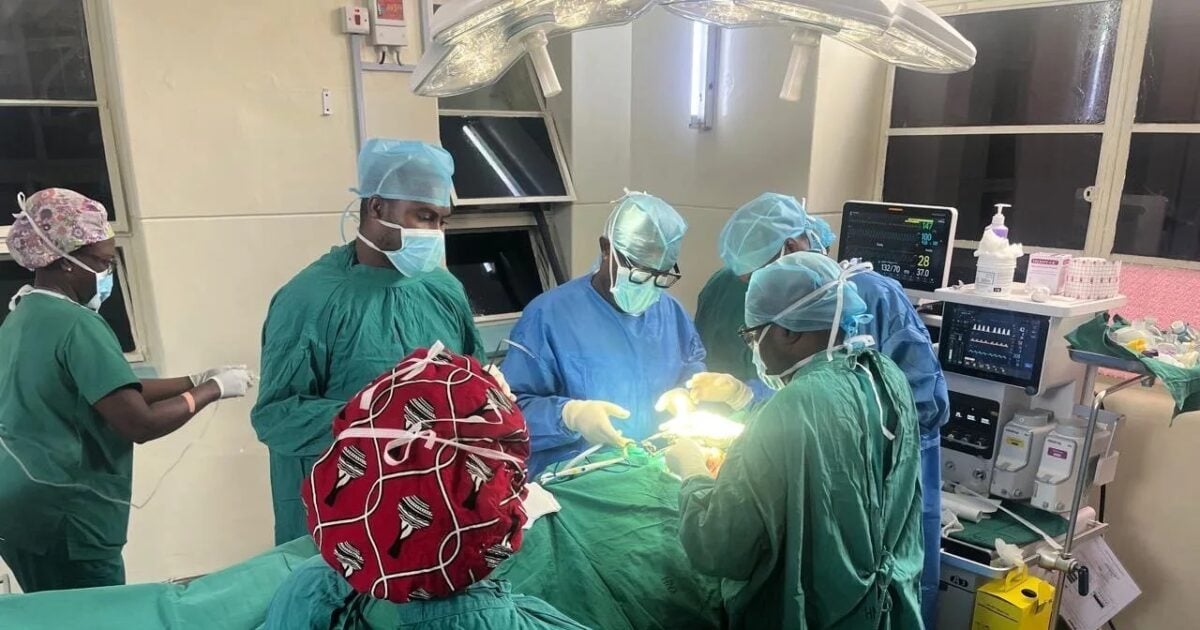
A health worker in a busy facility has patients to attend to, medicines to monitor and records to update. But when different health programmes operate separate reporting systems, the work of documenting patient and service information can become repetitive.
Information collected once may have to be submitted several times through different platforms to meet the requirements of different authorities.
The World Health Organisation (WHO) says this fragmentation is adding to the administrative workload of health workers in African countries, with implications for the time they can devote to caring for patients.
Team Lead for Health Information, Knowledge Management, Digital Health and Artificial Intelligence at the WHO Regional Office for Africa, Dr Benson Droti, said some countries had allowed individual health programmes to develop their own information systems, resulting in duplicated reporting.
“Because of the fragmentation at national level… health workers collect data once; they report it so many times,” he said in an exclusive interview with JoyNews Mahmud Mohammed-Nurudeen.
He explained that some donor-supported programmes operate outside national health information frameworks because development partners have specific reporting requirements.
Different technologies and the absence of common standards also make it difficult for the systems to exchange information.
Dr Droti said limited coordination by central government had compounded the problem, allowing different programmes to establish systems that sometimes collect similar information without communicating effectively with one another.
“We often say in WHO that data should be collected once, reported once and used several times,” he said.
He stressed that the solution does not necessarily require every country to operate a single information system. Different platforms can serve different purposes, he said, provided they can communicate and avoid collecting the same information repeatedly.
“What is important [is that] they should not be collecting the same information and they should be able to speak with each other,” he said.
When reporting competes with patient care
For health workers, the problem is experienced at facility level, where information may have to be submitted to several authorities even when it has already been recorded.
Dr Droti said this creates an additional reporting burden for staff who should be able to devote more time to patients.
“What we want health workers to spend more time on is caring for patients rather than spending time reporting data to different people,” he said.
The WHO official's account also points to a governance problem. Where national authorities cannot coordinate the development and operation of health information systems, programmes may continue to introduce separate reporting arrangements.
That can make it harder for health managers to access a complete picture of services and use information across the health system.
The reporting burden is linked to a wider problem of information that is collected but cannot easily be shared or used where it is needed.
Dr Droti said African countries had made progress in data availability, quality and use over the past five to ten years. However, he said many systems remained fragmented, poorly integrated and inaccessible to some of the people who need the information to make decisions.
He gave the example of a rural health facility running out of essential medicines. If stock information is not updated promptly or connected to the supply chain, authorities responsible for replenishment may take longer to identify the shortage.
He also described a district-level situation in which delayed reporting of rising malaria cases could slow the response by national authorities.
“Behind every missing data point could be a patient who is not receiving the care that they need,” he said.
He added that decision-makers who cannot access reliable information may also struggle to distribute health resources equitably.
The case for connected health information systems
The First Africa Health Data Forum, scheduled for Nairobi, Kenya, from November 10 to 12, 2026, is expected to address some of these challenges.
The forum's concept note identifies fragmented information systems, parallel reporting requirements and limited interoperability as persistent obstacles to strengthening health data across the region.
It will bring together governments, development partners, technical institutions, academia, civil society and private-sector organisations to discuss country priorities and practical ways to improve health data systems.
For Dr Droti, the priority is to build integrated systems that allow information from different sources to be connected and made available to authorised users.
He said he would like to see African countries move from fragmented data systems to integrated health intelligence systems by the time the forum meets again in 2028.
That change, he said, should include stronger national coordination, better interoperability and greater use of information in decisions about resource allocation, workforce planning, disease prevention and service delivery.
- health
- time
- information
- patient
- system
- reporting
- care
- worker