Consumers bear the cost as India's sugar farmers struggle
Low rainfall hits sugarcane crops in India as farmers grapple with rising fuel and fertiliser costs.
From crop to crystal, making sugar is thirsty work.
On the outskirts of Mysuru in India's south, sugarcane is cut, bound, and thrown onto carts headed for nearby factories.
Phailwan Venkatesh watches his workers hack at the cane under a baking sun.
The stalks should be fatter, the 63-year-old says, and should not snap so easily.
"There is hardly anything in this sugarcane crop," he says.
India is the world's second-largest sugar producer and its biggest consumer. But this year, a record-setting El Niño weather system has sent warm ocean conditions across the Pacific, weakening the monsoon season.
The lack of rainfall in July and August meant Phailwan's sugarcane crop struggled to grow.
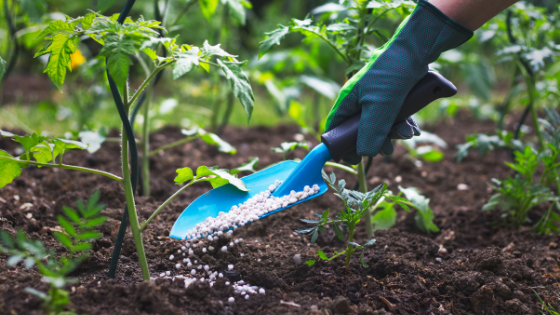
It compounded an already perilous situation for the farmer, who has had to fork out more for fertiliser due to global conflicts.
Bhargabi Bharadwaj, an expert in food system risks at Chatham House, says India's sugar production has not crashed, but uncertainty is adding to a general strain.
"The immediate impact of a climate disruption is often just a price shock rather than a physical shortage, but rising prices can quickly threaten food affordability and economic stability," she explained.
According to the latest figures from the United Nations Food and Agriculture Organisation, global sugar prices rose by 6.6 per cent in October — the fourth consecutive monthly rise, hitting the highest level since April last year.
Analysis by ANZ Bank found the sugar squeeze, coupled with higher cocoa prices, has made chocolate and lollies more expensive to manufacture and could see retail prices jump.
Australian sugarcane growers have been far less affected by dry conditions and may even benefit from cane with higher sugar content, lifting overall output, according to a report by the US Department of Agriculture.
In India, prices increased more than 30 per cent in August compared to July, according to India's Department of Consumer Affairs.
This year's El Niño comes on the heels of an already difficult year for the country's sugar industry, which was hit by excess rain in 2025, leading to pests and crop diseases.
One of India's biggest sugar factories, Bajaj Hindusthan Sugar, reported an almost 11 per cent drop in sugar production last financial year.
Kurubar Shanta Kumar, president of the Karnataka State Sugarcane Growers Association, says that so far this year, sugarcane yield has dropped by 9 million tonnes compared to last year.
"We are completely dependent on Mother Nature," he said.
"We can't grow sugarcane on computers; we can't cultivate crops on computers."
Karnataka's state government is providing about $50 million in financial support to farmers, and an extra $1.70 for every tonne of sugarcane supplied to mills.
To boost supply and bring down prices ahead of the Hindu festival season, India's federal government has lifted tariffs on sugar, allowing up to 1 million tonnes to be imported duty-free until the end of the year.
It has also banned sugar from being used to produce ethanol.
Even so, the price hike has begun to hit businesses.
Dasappa has owned a sugarcane juice cart for 15 years. Last year he sold a cup for about 10 rupees; now he charges 25.
"If customers bargain, I charge them 20 rupees," the 45-year-old said.
"The price has increased [for me]. Sugarcane costs 80 rupees per kilogram; it used to be 40 rupees per kilogram."
Others, like sweet shop owner Thejaswini Suhas, have tried to absorb the cost. Her shop in Mysuru's busy city centre is packed every afternoon with customers buying the popular South Indian sweet Mysore Pak, made with chickpea flour, ghee and sugar.
"[Higher prices are] affecting our business, but we don't want to lose customers [by putting prices up]," she said.
"If this situation continues, we won't have any other option; we will have to increase the price."
That could prove inevitable. This year's El Niño has a long tail and may not peak until December.
Forecasters from the World Meteorological Organization have warned the weather event will persist until at least February 2027, and increase the risk of extreme heat, droughts and flooding worldwide.
For India's sugarcane growers, it could spell disaster. Higher fertiliser, labour, and fuel costs mean farmers have struggled to sell their crop to mills for a profit despite higher sugar prices.
"We are struggling to buy food," Phailwan said.
"We used to grow our own paddy [rice] and other grains; now that is also scarce.
"Our earnings are very low; we could have managed if the [sugar] yield was good and had recovered our returns on our investment. We have borrowed money and invested in crops which have backfired, and we are unable to repay the loans."
- cost
- india
- sugar
- farmer
- consumer
- rainfall
- crop
- fuel