Asaba massacre and Gen Taiwo’s apology

The apology by retired Major-General Ahmed Ibrahim Taiwo, son of late Colonel Ibrahim Taiwo, to the people of Asaba over the 1967 massacre by federal troops is a remarkable gesture. Mohammed and Taiwo reportedly took this dastardly decision in revenge for the role played by an indigene of that area, Major Chukwuma Nzeogwu, the leader of the first military coup in Nigeria, in the murder of the Premier of Northern Nigeria, Sir Ahmadu Bello and other Northern leaders.
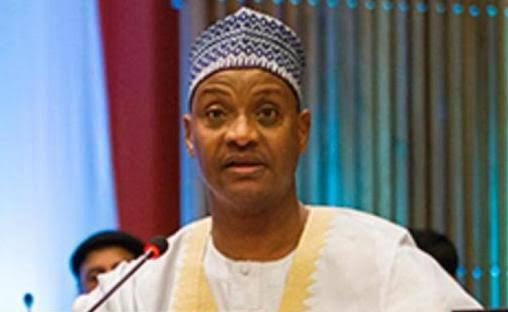
The apology by retired Major-General Ahmed Ibrahim Taiwo, son of late Colonel Ibrahim Taiwo, to the people of Asaba over the 1967 massacre by federal troops is a remarkable gesture. At the 59th anniversary on October 7, 2026, Ahmed Taiwo expressed profound regret and apologised on behalf of his father and family for any act of omission or commission that contributed to the tragedy.
Major Ibrahim Taiwo was the second-in-command of the Nigerian Army’s 2nd Infantry Division under the overall command of Col. Murtala Mohammed, which pushed Biafran troops out of Asaba. Historical accounts have it that on 7th October 1967, over a thousand unarmed Asaba men and boys, were assembled to chant “One Nigeria” as a declaration of their loyalty to the Federal Military Government.
Major Taiwo, with Col. Mohammed’s approval, allegedly gave orders for them to be massacred. Curiously, nine years later on 13th February 1976, Mohammed, then the Military Head of State and Taiwo, his trusted aide and Military Governor of Kwara State, were assassinated in a coup plot led by Col. Buka S. Dimka, their former comrades during the Biafra War.
Mohammed and Taiwo reportedly took this dastardly decision in revenge for the role played by an indigene of that area, Major Chukwuma Nzeogwu, the leader of the first military coup in Nigeria, in the murder of the Premier of Northern Nigeria, Sir Ahmadu Bello and other Northern leaders. Military officers from the area had also executed Biafra’s overrunning of the Mid-West and parts of the Western Regions before the tide turned against them.
Since the War ended, Asaba people’s pains from this incident have been expressed through various means. One of these was Blood on the Nigeria, a bestseller authored by the late ace journalist, Chief Emma Okocha. The apology, coming from a retired senior military officer, is particularly significant. Rather than defend his father against historical accusations, Gen Taiwo chose acknowledgement, contrition and reconciliation.
This is commendable. “I used to come online and start telling people that it happened. I would tell them, ‘My father is the one mentioned. I have all to gain by denying it, but you cannot deny what happened. It is what it is. I have come, in private capacity as Taiwo to render our deepest regrets and apologize on behalf of our father and family for any act of omission or commission on his part that led to this heinous massacre,” Taiwo said.
Military necessity cannot justify such atrocities. Col. Taiwo’s son, who served meritoriously in the Nigerian Army, has now demonstrated that military loyalty and filial affection need not obstruct historical truth. Asaba’s paramount ruler, the Asagba, Professor Epiphany Azinge, accepted the apology and publicly forgave the Taiwo family. We urge the community to receive this gesture in good faith.
Compassion and forgiveness are virtues, not weaknesses. We urge the Federal Government to issue a formal national apology, establish a memorial and provide appropriate reparative support to affected families and the community. This will help in healing the historical wounds. Nigeria cannot build enduring unity by burying painful history.
- taiwo
- asaba
- apology
- massacre
- nigeria
- gen
- major
- father