Ogoni leaders withhold consent for oil resumption, demand community congresses

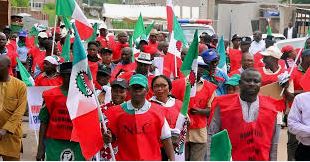
Ogoni leaders have made community-wide consent a non-negotiable condition for signing an oil resumption agreement with the Federal Government, demanding credible congresses before any deal is sealed.
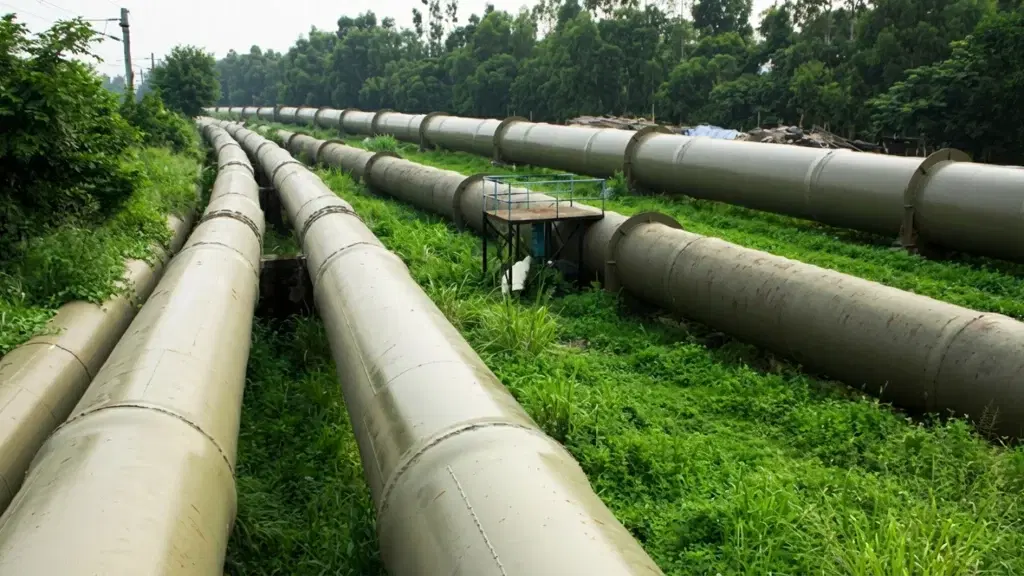
The Ogoni Dialogue Committee (ODC) has ruled out signing an agreement with the federal government on the resumption of oil exploration in Ogoniland until the people of the oil-rich area have been given an opportunity to decide on the proposed return of oil companies through credible community congresses.
The decision raises a fresh hurdle for the federal government’s efforts to restart oil production in Ogoniland, decades after oil exploration was halted amid protests over environmental devastation, economic marginalisation and the killing of environmental activist Ken Saro-Wiwa and eight other Ogoni leaders in 1995.
According to a report by Punch, the committee said the proposed Memorandum of Understanding (MoU) must first secure the consent and confidence of the Ogoni people through credible congresses across the four local government areas that make up Ogoniland in Rivers State.
Its position highlights the importance of obtaining community legitimacy for any agreement that could determine the future of oil exploration in the area.
The resolution was reached at a meeting of 35 ODC members in Port Harcourt, the Rivers State capital, where the committee reviewed the proposed MoU, ongoing consultations and efforts to resolve the longstanding crisis in Ogoniland.
The committee’s position follows renewed federal government efforts to restart oil production in the area, where exploration was suspended in 1993 following protests over environmental degradation and the marginalisation of the Ogoni people.
In September 2025, President Bola Tinubu directed the National Security Adviser, Nuhu Ribadu, to engage the Nigerian National Petroleum Company Limited, the Ogoni people and other stakeholders to finalise arrangements for the resumption of oil production.
The directive followed the presentation of a report by the Presidential Committee on the Ogoni Consultations, chaired by Don Baridam, a Professor of management, specialising in organisational behaviour.
Mr Tinubu had asked the Ogoni people to embrace dialogue, assuring them that his administration would protect their environment and address their longstanding grievances.
Speaking after the latest ODC meeting, the paramount ruler of Tai Kingdom and convener of the Supreme Council of Ogoni Traditional Rulers, Samuel Nnee, called on members to remain united to ensure the success of the dialogue.
The traditional ruler commended Mr Tinubu for his efforts to resolve the Ogoni crisis and facilitate the resumption of oil exploration. He also acknowledged the contributions of Mr Ribadu and the Director-General of the Department of State Services, Oluwatosin Ajayi.
“The engagement process has been painstaking and difficult, but we are hopeful that with patience, unity and cooperation, the desired results will be achieved,” he said.
Similarly, the King of Eleme, Philip Obele, said the committee remained committed to protecting the interests of all Ogoni communities through genuine consultations.
“We shall not sign any MoU unless and until we have held credible and authentic congresses as approved by the ODC, organised and hosted by our elected council chairmen,” he said.
The judicial vicar of the Catholic Diocese of Port Harcourt and senior lecturer at the Rivers State University, Pius Kii, said the committee had resolved to support the federal government’s efforts to resume oil exploration for the benefit of Nigeria and the Ogoni people.
He said the ODC had also agreed to conclude the harmonisation of the proposed MoU in accordance with resolutions reached at its previous meeting.
According to him, the chairpersons of the four Ogoni local government areas, who were assigned to sensitise and engage their respective communities ahead of the congresses, had reported major progress.
Mr Kii said the council chairpersons were expected to complete the consultations within the timeline set by the committee, after which the harmonised MoU would be presented to the local government congresses for consideration.
Despite its readiness to support the dialogue, the committee expressed concern over the suspension of confidence-building projects previously agreed upon with the Federal Government.
A member of the committee, Innocent Barikor, appealed to the government to urgently resume the projects, particularly the abandoned Eleme section of the East-West Road.
He said the projects were critical to restoring confidence in the dialogue and demonstrating that the government’s commitment to resolving the Ogoni crisis went beyond negotiations.
Mr Barikor said the Ogoni people needed tangible evidence of the government’s sincerity before they could be convinced that the proposed oil resumption agreement would deliver meaningful benefits to their communities.
The demand for visible development commitments follows longstanding concerns that the environmental and economic consequences of decades of oil exploration have not been adequately addressed.
PREMIUM TIMES reported in August 2026 that 51 civil society organisations opposed the planned resumption of oil production in Ogoniland, arguing that the government should prioritise environmental restoration over reopening oil wells.
The organisations cited unresolved pollution, including the 2025 oil spill in Kpean community, and warned that renewed extraction without adequate remediation could expose residents to further environmental and health risks.
The United Nations Environment Programme, in its 2011 assessment, documented extensive hydrocarbon contamination in Ogoniland and recommended a comprehensive environmental restoration programme.
The federal government subsequently established the Hydrocarbon Pollution Remediation Project to implement the recommendations.
Oil exploration in Ogoniland was suspended in 1993 following protests led by the Movement for the Survival of the Ogoni People. The execution of Mr Saro-Wiwa and eight other Ogoni activists by the military government of the late military dictator Sani Abacha in 1995 further deepened the crisis and attracted international condemnation.
The latest position of the ODC suggests that, despite renewed negotiations and federal government assurances, securing the consent of the Ogoni people remains central to any attempt to restart oil exploration in the area.
- consent
- oil
- resumption
- community
- leader
- congress
- condition
- agreement