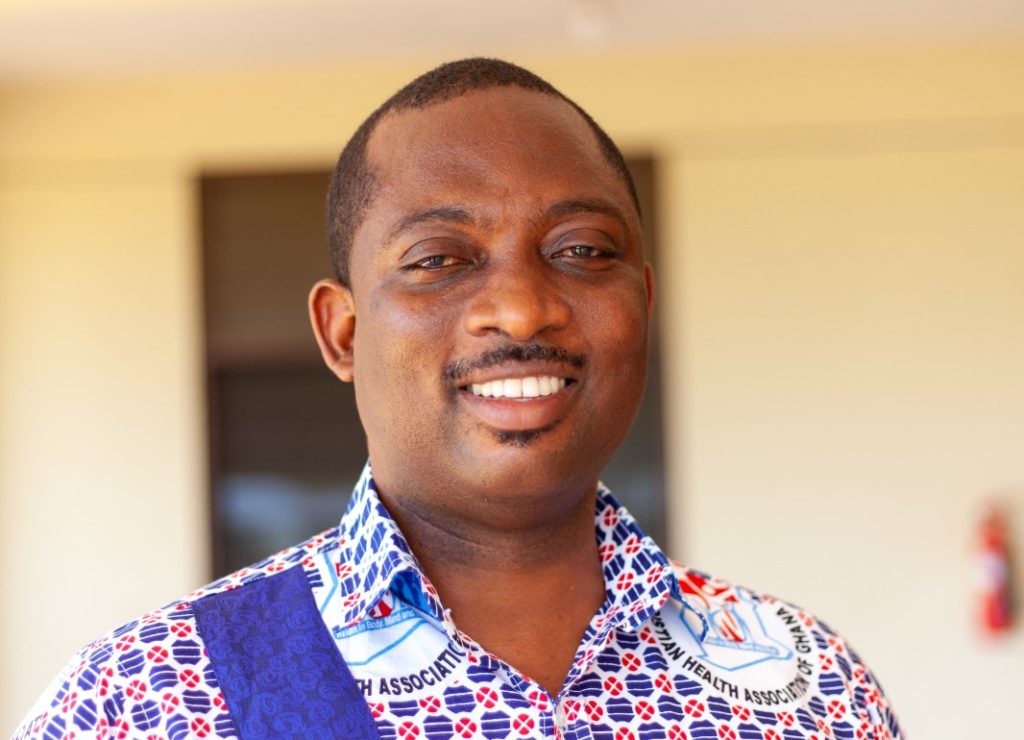
Stakeholders highlight how MahamaCares is changing healthcare landscape in Upper West Region

However, a recent stakeholder engagement in the Upper West Region highlighted a changing landscape in Ghana’s healthcare sector, driven by the interventions of the Ghana Medical Trust Fund (GMTF), also known as Mahama Care. The Upper West Regional Director of Health Services, Dr. Josephat A. Nyuzaghl, announced the impending arrival of a highly anticipated oxygen plant from Accra, an MRI machine, and the establishment of a new oncology unit.
For families battling severe, chronic illnesses, the weight of a medical diagnosis is often eclipsed by a more terrifying reality: the crushing financial burden of treatment.
However, a recent stakeholder engagement in the Upper West Region highlighted a changing landscape in Ghana’s healthcare sector, driven by the interventions of the Ghana Medical Trust Fund (GMTF), also known as Mahama Care.
At the heart of the Fund’s mission is an unwavering commitment to ensuring equity in healthcare access. The Administrator of the GMTF, Ajoa Obuobia Darko-Opoku, opened the event with a powerful message that resonated throughout the room:
“We are working towards a Ghana where chronic illness does not condemn anyone to despair, where access to care is fair and consistent, and where no life is defined by what it could not afford.”
This vision of a compassionate, structured, and responsible healthcare system set the tone for an emotional and revealing forum.
To understand the necessity of the GMTF, often referred to locally as “Mahama Care”, one only had to listen to the Chairman of the occasion, Kuoro Osman Deiwia Nankpa III. Speaking on behalf of the President of the Upper West Regional House of Chiefs, he highlighted the initiative’s impact through a sobering personal testimony.
Underscoring the devastating effects of these diseases, he revealed a current family crisis: his niece needs a staggering GH¢960,000 for a kidney transplant, just a year after he lost his uncle to the same disease.
Appealing for targeted support in view of the region’s endemic poverty, the Chairman also highlighted the monumental strides the GMTF has already made. He noted that the initiative had raised more than GH¢6 million and spent over GH¢4 million on chronic and terminal illnesses, including critical brain and heart surgeries across 29 established centres.
The GMTF’s Health Policy Advisor, Dr. Norbert Kipo, announced in a presentation that the Fund was originally focused on eight specific cancers, including breast, cervical, prostate, and childhood cancers. However, the Board has recently expanded its coverage to include five additional cancers, cardiovascular conditions, neurosurgical conditions, and kidney transplants.
Dr. Kipo further explained the Fund’s objectives, noting that it operates on four strategic pillars: providing direct financial support to patients, upgrading medical infrastructure, training specialised healthcare workers, and funding medical research.
Delivering his address, the Upper West Regional Minister, Charles Lwanga Puozuing, highlighted the broader developmental impact of chronic diseases and the vital role of local and traditional authorities in ensuring that this support reaches vulnerable families, particularly those living outside the regional capital.
The urgency of these interventions was echoed by local medical leaders. The Acting Medical Director of the Upper West Regional Hospital, Dr. Philip K.K. Baabiineh, revealed a worrying shift in regional mortality trends, noting that renal and cardiovascular diseases have now surpassed trauma and accidents as the leading causes of death.
To address this challenge, sweeping infrastructure upgrades are underway. The Upper West Regional Director of Health Services, Dr. Josephat A. Nyuzaghl, announced the impending arrival of a highly anticipated oxygen plant from Accra, an MRI machine, and the establishment of a new oncology unit.
By bringing these services to Wa, the region is actively eliminating the financial and logistical barriers associated with travelling to Kumasi or Accra to access specialised medical care.
The engagement also served as a crucial platform to clarify how the GMTF bridges financial gaps left by standard health insurance coverage. The Upper West Regional Prisons Commander, DDP Alhaji Ousmane Tasembedo, raised a pressing concern, citing a case in which his department had to mobilise a whopping GH¢100 million or more to support a colleague undergoing dialysis.
Dr. Baabiineh clarified that while the National Health Insurance Scheme covers two dialysis sessions per week, the Trust Fund plays a critical role in covering the exorbitant out-of-pocket expenses associated with treatment, such as central line insertion and human erythropoietin injections required to manage chronic anaemia.
The safety net also extends to long-term survival. When the Regional Minister asked whether a patient who had independently funded an initial transplant could subsequently apply for assistance when aftercare became a financial burden, the response was a resounding yes.
The GMTF’s Director of Operations, Dr. Williams Amane, confirmed that as long as the patient is a Ghanaian citizen with a covered condition, they can be enrolled for ongoing support at any stage of their treatment journey.
For the beneficiaries present, the GMTF is nothing short of a lifeline. A distance-learning student at the University for Development Studies (UDS), Mumuni Benita, shared an emotional account of her two-year-old son, Sunkari Numbu Amell, who was diagnosed with left nephroblastoma.
After being connected to the GMTF, her application was approved within just seven days, with the Fund fully covering an exhausting course of chemotherapy, surgery, and radiotherapy at the Komfo Anokye Teaching Hospital.
This speed and efficiency contrast sharply with the experiences of the past. Assistant Headteacher at Loggu SHS, Mumuni Baba Seidu, recounted a desperate medical emergency in 2005 involving his brother, Jamil, an ICT teacher at Wa Technical Institute. At the time, the family had to crowdsource nearly GH¢250,000 to save his life.
Today, he praised the GMTF’s front-desk officers and efficient system, which have replaced the panic and uncertainty of the past with reliable support.
This decentralised and impartial approach earned high praise from the Regional Director of the Department of Gender, Madam Charity Batuure. Noting that the burden of caregiving often falls on women, she commended the initiative’s operational integrity.
“The part that touched me most was the fact that we are not adding human faces. Systems are working,” Ms. Batuure remarked, emphasising the absence of nepotism. “I think that’s what we need as a country to progress.”
As the stakeholder engagement concluded, Administrator Darko-Opoku’s vision felt less like a distant goal and more like a present reality. Through functional systems, upgraded regional infrastructure, and unwavering empathy, the Ghana Medical Trust Fund is demonstrating that financial ruin does not have to be the ultimate cost of survival.
- upper
- west
- healthcare
- region
- gmtf
- care
- regional
- landscape