COP31: Climate activists reject carbon capture, marine geoengineering as ‘false solutions’
They called on governments to prioritise people-led and rights-based climate action, including systemic economic changes, ecosystem restoration and a just transition away from fossil fuels.
Indigenous peoples, climate justice groups and environmental campaigners worldwide have called on governments to reject what they described as false climate solutions, warning that approaches such as carbon capture and storage, marine geoengineering and some nature-based solutions could undermine genuine efforts to tackle climate change.
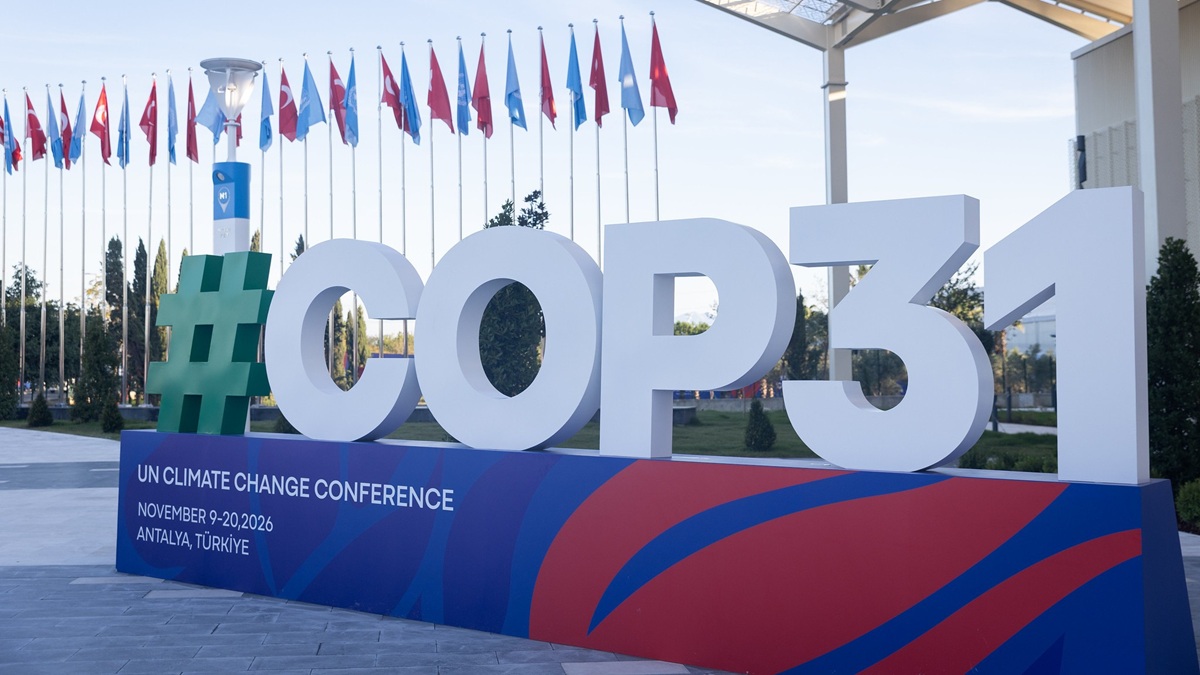
The campaigners made the call during a collective action at the ongoing 31st session of the United Nations Climate Change Conference (COP31) in Turkey on Tuesday, where they challenged the growing promotion of these approaches as responses to the climate crisis.
The campaign was delivered under the banner, “No False Solutions, But Real Solutions,” where the activists argued that the approaches risk legitimising continued fossil fuel expansion, encouraging the commodification of nature, threatening ecosystems and undermining the rights of indigenous peoples and communities on the frontline of climate change.
They called on governments to prioritise people-led and rights-based climate action, including systemic economic changes, ecosystem restoration and a just transition away from fossil fuels.
Across the three Rio conventions (COPs)-UNCCD, CBD and UNFCCC- civil societies and observer groups have repeatedly called for world leaders to adopt sustainable environmental solutions to address global environmental challenges rather than embracing what they described as “false solutions”, often promoted by fossil fuel lobbyists across these conventions.
In view of this, Aakaluk Adrienne Blatchford of the Indigenous Environmental Network warned that marine geoengineering and other interventions could further threaten the delicate balance of marine and Arctic ecosystems.
She said the oceans connect lands and play a critical role in maintaining environmental balance, adding that the impacts of industrialisation, extractive activities and the commodification of nature are already being felt globally.
“As indigenous people in the north, our cultural survival and food security are impartial to a healthy Arctic ecosystem that the world depends on to thrive,” she said.
Ms Blatchford expressed concern that rather than phasing out fossil fuels and critical mineral extraction, countries are investing in what she described as false climate solutions, including marine geoengineering.
She also warned that such interventions are poorly regulated and could create serious environmental risks.
“There is no replacement for clean water, air and lands and there is no wealth that can buy it back,” she said.
Dana Tarigan of WALHI Indonesia acknowledged the importance of protecting forests, mangroves, peatlands and coastal ecosystems for climate adaptation, biodiversity conservation and community resilience.
However, she warned that nature-based solutions are increasingly being used to justify destructive development projects and could become instruments for greenwashing.
She said genuine nature-based solutions must strengthen ecosystem resilience, protect community rights and address the underlying causes of climate vulnerability.
“They must not justify projects that increase social inequality, or create new forms of carbon commodification and land grabbing,” she said.
Ms Tarigan stressed that nature could contribute significantly to addressing the climate crisis but cannot compensate for continued dependence on fossil fuels.
“Climate solutions must serve people and ecosystems first, not carbon markets or megaproject interests,” she added.
Ayumi Fukakusa of Friends of the Earth Japan described Carbon Capture and Storage (CCS) as a lifeline for the fossil fuel industry rather than a genuine climate solution.
She argued that the technology is expensive, energy-intensive, and fraught with uncertainties, warning that promoting it could allow fossil fuel companies to keep extracting and burning coal, oil, and gas while presenting themselves as contributors to climate action.
“CCS allows the fossil fuel industry to keep extracting, burning, and profiting from coal, oil, and gas, while pretending to be part of the climate solution. It is greenwashing on an industrial scale,” she said.
Ms Fukakusa further criticised what she described as the disproportionate burden placed on communities in developing countries, particularly those in the Global South, to accommodate the pollution generated by wealthier countries and corporations.
She called for direct emissions reductions, a transition to renewable energy, and community-driven climate policies rather than those driven by fossil fuel corporations.
Jax Bongon of IBON International said genuine climate solutions must address the concentration of wealth and power among a privileged few, which he argued has left millions of people without adequate access to land, food, water and other resources.
He said the decisions affecting communities and ecosystems continue to be driven largely by the interests of corporations and powerful political groups.
According to him, people-led climate action requires communities to reclaim control over the resources and decisions shaping their livelihoods.
“The foundation of people-powered climate action includes communities reclaiming the power and resources to shape the conditions upon which their lives and livelihoods depend,” he said.
Mr Bongon added that genuine solutions would require a fundamental shift in how people relate to nature, recognising their interdependence with ecosystems.
He said alternatives to destructive economic systems are already emerging in communities worldwide.
Similarly, Rachitaa Gupta, global coordinator of the Global Campaign to Demand Climate Justice, accused wealthy countries and major corporations of promoting technologies such as carbon capture and storage and marine geoengineering to delay meaningful climate action.
She described the approaches as a multibillion-dollar enterprise supported by some of the world’s biggest corporations and increasingly promoted in international climate negotiations and policy discussions.
“Instead of cutting emissions, ending fossil fuel expansion, and paying their climate debt, rich countries want to promote false solutions,” she said.
Ms Gupta argued that promoting these approaches could encourage further extraction, land and ocean grabbing, exploitation of communities, and delays in reducing greenhouse gas emissions.
She said that while corporations continue to benefit financially, vulnerable communities are left to bear the consequences of the climate crisis.
“We cannot rely on illusions – we need real people-led solutions that protect Indigenous Peoples’ rights, protect our lands, our forests, our rivers and our oceans,” she said.
- climate
- carbon
- capture
- marine
- activist
- solution
- government
- people