Ghana’s cocaine seizures abroad raise questions about port security, trade integrity and national reputation
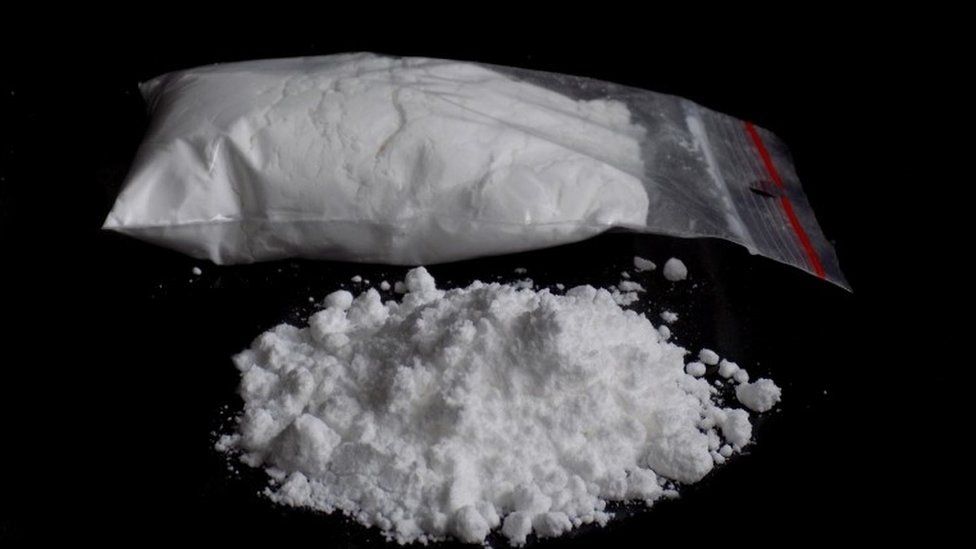
According to JoyNews Research, approximately 13,876 kilogrammes of cocaine linked to Ghana have been seized abroad in five separate operations since January 2025. We must also distinguish between cocaine originating in Ghana, transiting through Ghana and being concealed in shipments without the knowledge of legitimate exporters.
Something is happening, and we cannot afford to treat it as another passing headline! According to JoyNews Research, approximately 13,876 kilogrammes of cocaine linked to Ghana have been seized abroad in five separate operations since January 2025. That is the equivalent weight of 217 bags of cocoa! Now, pause and consider the implications. How do such quantities become associated with our international trade corridors?
Are our cargo inspection systems sufficiently robust? What vulnerabilities exist within our ports, shipping documentation, customs procedures and intelligence architecture? And perhaps the most troubling question: If these quantities were intercepted abroad, what does that tell us about the potential scale of trafficking that remains undetected? The figures alone cannot answer that question, but they certainly justify asking it.
You see, international cocaine trafficking is not simply a narcotics problem. It is an economic governance, financial integrity and national security problem. Organised criminal networks thrive where institutional weaknesses intersect with lucrative illicit markets. The proceeds can penetrate legitimate businesses through trade-based money laundering, property acquisitions, shell companies and complex financial transactions.
Over time, such illicit financial flows can distort competition, compromise regulatory institutions and weaken confidence in the financial system. Imagine the implications for Ghanaian exporters if international trading partners begin subjecting our shipments to heightened scrutiny. Longer clearance periods, increased compliance costs, disrupted supply chains and reputational damage could eventually affect businesses that have absolutely nothing to do with narcotics trafficking.
Must legitimate Ghanaian enterprises pay the economic price for the activities of criminal syndicates? And this is where the responsibility of the current administration becomes particularly important. What exactly are we doing differently to strengthen our national anti-narcotics architecture? Are we sufficiently integrating customs intelligence, port surveillance, financial intelligence, beneficial ownership investigations and international law-enforcement cooperation?
Are we conducting credible risk-based inspections of high-risk consignments? Are suspicious financial transactions being systematically connected to underlying trade activities? More importantly, when foreign authorities intercept Ghana-linked shipments, do our institutions pursue the entire criminal value chain, including financiers, facilitators, freight intermediaries and ultimate beneficiaries?
We must also distinguish between cocaine originating in Ghana, transiting through Ghana and being concealed in shipments without the knowledge of legitimate exporters. These distinctions are essential to credible investigations and accountability. Let us not underestimate the long-term consequences. Countries do not lose their international credibility overnight.
Reputational deterioration occurs gradually, particularly when repeated incidents begin to raise questions about institutional effectiveness. Ghana has spent decades positioning itself as a stable investment destination, a regional commercial gateway and a credible participant in international trade. What happens to that positioning if our export corridors become increasingly associated with narcotics trafficking?
What happens to investor confidence, correspondent banking relationships, trade financing and our broader ambitions under the AfCFTA? The administration must therefore demonstrate measurable progress through coordinated investigations, stronger preventive controls, successful prosecutions where evidence warrants them and transparent institutional accountability.
This is too consequential to reduce to partisan exchanges. My greatest concern is not merely the cocaine being intercepted abroad. It is what repeated Ghana-linked seizures may reveal about vulnerabilities within our economic and security systems. We cannot build a competitive export economy while leaving organised criminal networks opportunities to exploit legitimate trade infrastructure.
Neither can we pursue economic transformation without protecting the institutional integrity upon which sustainable development depends. The government must act decisively, and every responsible Ghanaian must demand credible answers. Because the day Ghana becomes more internationally recognisable for cocaine trafficking than for cocoa, gold, innovation and legitimate enterprise, we will have lost something far more valuable than revenue.
We will have compromised the credibility of our nation. Dr. Evans Duah Lecturer, University of Skills Training and Entrepreneurial Development
- ghana
- trade
- cocaine
- port
- question
- security
- integrity
- trafficking


