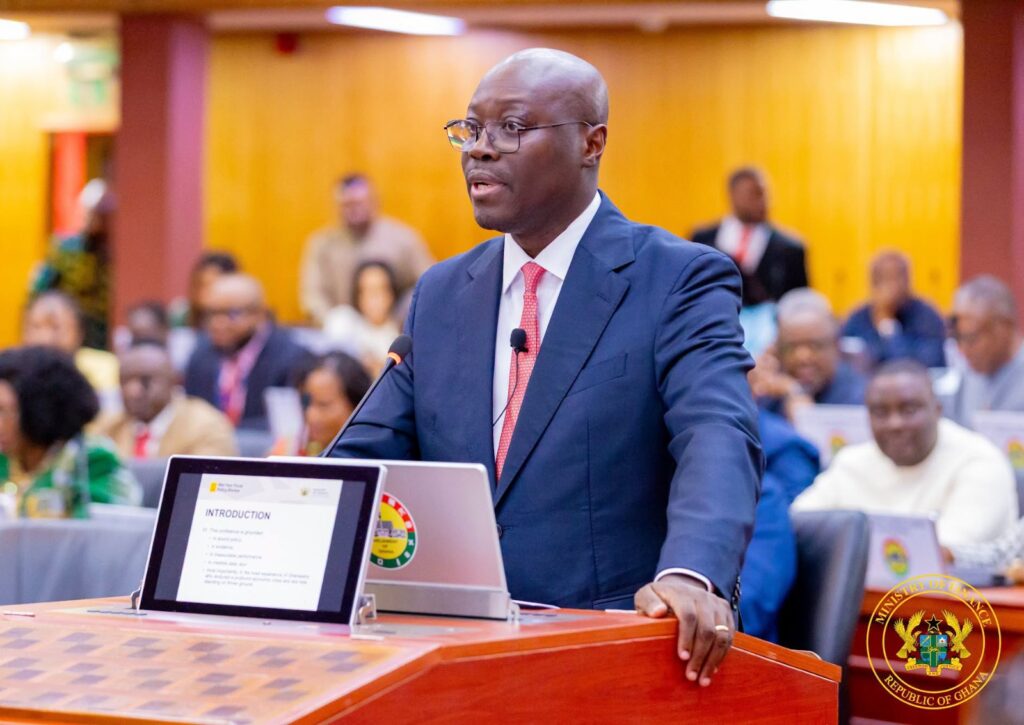
Gov’t to exempt solar panels and batteries from import duties – Ato Forson

Finance Minister Dr Cassiel Ato Forson has announced plans to exempt solar panels and batteries from import duties and Value Added Tax (VAT) as part of efforts to reduce the cost of renewable energy and encourage more households and businesses to switch to solar power. The Finance Minister noted that although Ghana enjoyed sunshine throughout the year, the country had not fully utilised the resource as a major source of energy.
Finance Minister Dr Cassiel Ato Forson has announced plans to exempt solar panels and batteries from import duties and Value Added Tax (VAT) as part of efforts to reduce the cost of renewable energy and encourage more households and businesses to switch to solar power.
The policy, which forms part of the government's 24-hour economy programme, is expected to make solar energy more affordable and improve access to reliable electricity across the country.
Presenting the 2027 Budget and the New Economy Agenda in Parliament, the Minister said Ghana must take advantage of its abundant sunshine to strengthen its energy security and support economic growth.
He said that reliable energy was essential to the country's development, particularly for traders, farmers and small businesses whose daily activities depend on a steady electricity supply.
"Energy security is economic security. When a trader can keep her shop running, a farmer can power his irrigation, and a young entrepreneur can work through the night, our economy grows, and our people prosper," he said.
The Finance Minister noted that although Ghana enjoyed sunshine throughout the year, the country had not fully utilised the resource as a major source of energy.
"Ghana is blessed with abundant sunshine all year round, a natural resource that costs us nothing and never runs out. Yet for far too long, this God-given resource has been largely untapped," he said.
He added that the government was determined to change the situation by making solar energy a more accessible and affordable option for Ghanaians.
"This government says no more. Ghana's sunshine must become a greater source of power and prosperity for our people," Dr Forson stated.
Under the new policy, solar panels and batteries imported into the country will be exempted from import duties and VAT.
The Finance Minister said the tax relief was intended to lower the initial cost of installing solar systems and encourage households, businesses and other institutions to invest in renewable energy.
Announcing the measure, he said: "To secure our energy future, Government will exempt solar panels and batteries from import duties and VAT, strengthening incentives for households and businesses to go solar and lowering the cost of adopting clean energy."
Dr Forson explained that the exemptions were part of the government's commitment to ensuring that tax incentives delivered tangible benefits to the public.
He said that every tax exemption granted by the government must contribute meaningfully to national development.
"Every exemption we grant must earn its place by delivering real value to the Ghanaian people, and harnessing the power of the sun does exactly that," he said.
He further disclosed that the exemptions would form part of the incentives being introduced under the government's 24-hour economy programme, which seeks to encourage businesses and industries to operate for longer hours.
He said the increased use of solar energy would help improve electricity supply to essential institutions, including schools, health facilities and factories.
According to him, solar power could provide a more reliable source of electricity for these institutions, helping them maintain essential services and productive activities even when there are interruptions in the national power supply.
"For schools, clinics and factories, solar can improve reliability and keep essential services and productive activity going," he told Parliament.
The government also hopes the policy will encourage businesses to reduce their dependence on conventional electricity sources while taking advantage of renewable energy to support their operations.
The Finance Minister also urged electric vehicle owners, transport operators and businesses involved in vehicle charging to take advantage of the tax exemptions by investing in solar-powered charging systems.
He said that as the number of electric vehicles on Ghana's roads increases, solar energy could play an important role in supporting the country's transition towards cleaner transport.
"As more electric vehicles enter Ghana, the opportunity of solar power extends to our roads," he said.
Dr Forson encouraged electric vehicle owners, transport operators and charging businesses to consider installing solar systems to power their charging facilities.
He said the combination of solar energy and electric mobility could help reduce energy costs while supporting the country's clean energy ambitions.
"Ghana's sunshine can help power both your home and your journey to work," he added.
Dr Forson called on households, farmers and businesses to take advantage of the proposed tax exemptions and invest in solar energy systems.
He said making solar equipment more affordable would help more Ghanaians benefit from the country's natural resources while contributing to improved energy security.
"Government is making it easier to go solar. I urge households, farmers and businesses to seize this opportunity."
"Let us put Ghana's sunshine to work in our homes, on our farms, in our factories and on our roads," the Finance Minister stated.
- energy
- import
- forson
- government
- business
- minister
- tax
- power