Midnight Diner: Netflix just dropped its most beautiful show in years … and it’s barely been noticed
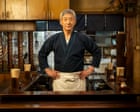
Disarmingly thoughtful stillness is the order of the day in the latest season of this Japanese show about a Tokyo eatery. Netflix has just quietly released it, buried by the platform’s seeming aversion to marketing non-English series, which has swallowed reams of remarkable Japanese television.
Disarmingly thoughtful stillness is the order of the day in the latest season of this Japanese show about a Tokyo eatery. What a shame it feels buried under other content
The first time we see the Master (Kaoru Kobayashi) in the sixth season of Midnight Diner, he cuts a curiously morose figure. His usually bustling establishment – open from midnight to 7am – is empty. No one, he notes, will come: Covid-19 keeps them at home. An ironic start for a drama arriving after a seven-year absence, delayed in part by uncertainty over the pandemic’s impact on small eateries.
The show’s return isn’t a shock. Based on Yarō Abe’s long-running manga, it has been a TV fixture in Japan since 2009. Netflix has just quietly released it, buried by the platform’s seeming aversion to marketing non-English series, which has swallowed reams of remarkable Japanese television.
It’s a daring start for a series framed by continuity. The Master presides over a timeless place where ageing yakuza, weary salarymen and glitzy sex workers congregate in the dead of night for company and hearty food. He will cook whatever they want, so long as they bring the ingredients.
It’s no coincidence that the melancholic tones of Tsunekichi Suzuki’s Omoide (Memory) introduce each episode, playing over Shinjuku crowds silhouetted by Tokyo’s neon before cutting to the Master’s quiet alley. Often, patrons order dishes from their past, turning the diner into a conduit where memory and the present intertwine in disarmingly thoughtful stillness. Though, as the premiere reveals, there is such a thing as too much inertia.
Shorn of purpose, his sable hair now grey, the Master is deflated without his regulars’ energy. It’s strange to see him sitting alone for so long after years spent watching him dispense wisdom with folded arms and a wry smile. It’s a rare glimpse into his interior, usually only hinted at between the series’ small plates format, and borne with appropriate weight by Kobayashi – who, having played the character since 2009, is as much a fixture as the diner.
Devoting an entire episode to our usually enigmatic host signals a gentle shift, allowing reflection on a world outside the confines of the diner. When a third wave of quarantine closes his doors, it serves to examine Covid’s toll on small businesses and re-establish how vital the Master is to his regulars. They gather outside, wondering when he will return, while musing on the absurdity of the times. “I may take my panties off, but the mask stays on,” cracks Marilyn, a stripper who misses the Master’s presence more than most.
When that custom returns, it comes with a warmth that catches you off guard, seeping in like steam clearing your sinuses. The Master gazes with evident delight as regulars catch up on years of gossip, swap dishes around plastic screens, and settle into old rhythms: safe, but not unchanged. Somehow, through a half-covered face, Kobayashi imbues this satisfaction with an understanding that the world has shifted. “I live in the modern world, too,” he tells one customer surprised by how au courant he appears – perhaps duped by his traditional work uniform of samue, maekake and geta.
Reminders of Covid linger as subsequent episodes return to 2026 and the show gets back to its usual rhythm. Midnight Diner is less inclined than western productions to forget the pandemic. Patrons acknowledge the lasting grief and the habits that remain after quarantine isolation. A woman’s lockdown obsession with idols spills over to an old friend’s son; a man returns to Japan to find his ex has died while married to another man; an artist reconnects with a first love to recapture lost inspiration.
It makes this season heavy with a sense of attempting to return to the past but being unable to. Yet neither the Master nor the storytelling tries to break that cycle. Things have changed, and that demands to be acknowledged. Nor does Midnight Diner turn these intimate tragedies into political statements; it simply invites the viewer to pull up a stool, relate and commiserate. Community and empathy, it tells us, are as timeless as the diner.
Arriving when we feel more disconnected than ever, this unlooked-for outing offers a window on human connection. Episodes demand to be rewatched, not to catch anything you may have missed – Midnight Diner is refreshingly direct – but to soak it in, collect your tears: a piercing, reassuring reminder that if the diner can survive, maybe we can, too.
- midnight
- diner
- netflix
- season
- eatery
- stillness
- order
- tokyo