PwC Post Budget Forum: Government spending to hit 16-year high in 2027 – Fitch Solutions

On economic performance, Mr Kruiniger noted that Ghana’s economy recorded strong growth, with activity expanding by 6.2% year-on-year in August, driven largely by the services sector, particularly information and communications technology (ICT). Mr Kruiniger also said Ghana’s position as a relatively small net importer of energy has helped cushion the economy against the global energy shock arising from the US-Iran conflict.
Fitch Solutions says Ghana faces limited fiscal risks in 2027 despite an anticipated increase in government expenditure under the administration’s New Economy Agenda.
The research firm expects the fiscal deficit to widen to about 2.7% of Gross Domestic Product (GDP) next year, representing the largest deficit since 2023, largely driven by increased government investment.
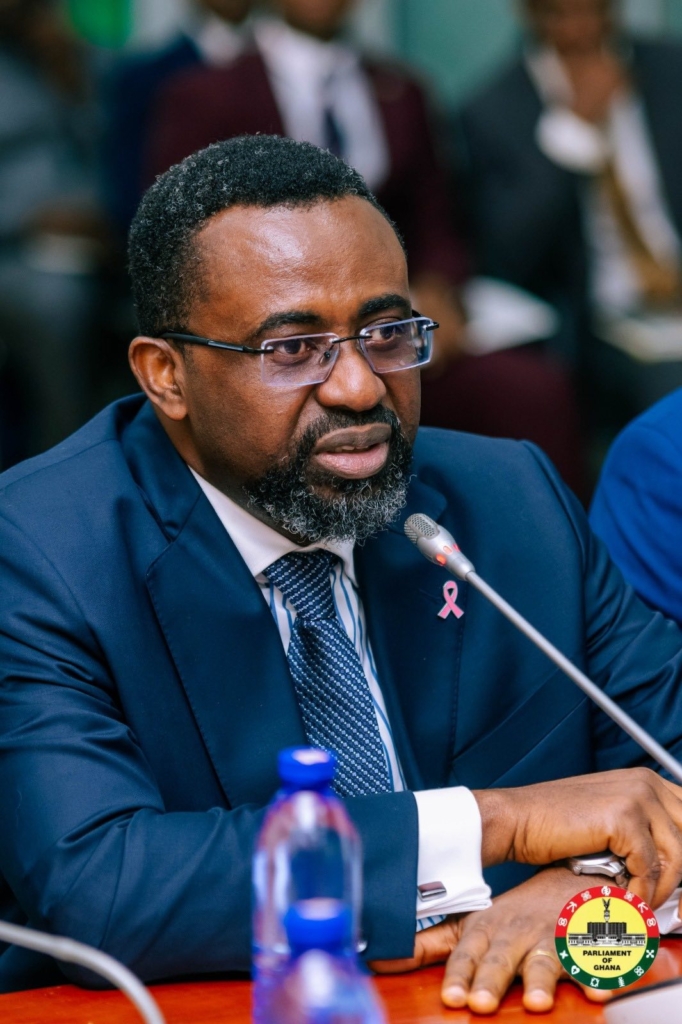
Speaking at the PwC Post-2027 Budget Forum, Director at Fitch Solutions, Mike Kruiniger, said capital expenditure is projected to rise significantly as government steps up investment in support of its economic transformation agenda.
“We expect capital expenditure to rise to around 5% of GDP next year, which would be the highest level Ghana has seen since around 2010. So quite a substantial uptake,” he said.
Despite the anticipated increase in spending, Mr Kruiniger expects Ghana to maintain a primary budget surplus in 2027, supported by improving debt conditions, relatively low domestic treasury yields and sustained economic growth.
“Importantly, though, in line with the Ministry of Finance projections, we still expect the primary balance to remain in surplus,” he stated.
He added that with the public debt-to-GDP ratio falling below 50%, the country's fiscal position provides some room to accommodate higher investment without creating significant immediate risks.
“With the debt ratio having fallen below 50%, pretty low yields on domestic treasuries, pretty robust amount of GDP growth, we think that fiscal risks stemming from the increase remain very much limited as we go into 2027,” he said.
On economic performance, Mr Kruiniger noted that Ghana's economy recorded strong growth, with activity expanding by 6.2% year-on-year in August, driven largely by the services sector, particularly information and communications technology (ICT).
He attributed the sector's performance to continued growth in data usage and mobile money transactions, alongside low inflation, which has helped sustain consumer purchasing power.
Mr Kruiniger also said Ghana's position as a relatively small net importer of energy has helped cushion the economy against the global energy shock arising from the US-Iran conflict.
Although the country's energy trade deficit has widened, he said the impact remains relatively modest compared with other economies.
“The energy trade deficit has widened as a result of the U.S.-Iran conflict this year. But when we put that into perspective, that deficit only accounts for around 0.3% of GDP. So that is very small by global standards,” he explained.
He noted that Ghana's crude oil exports provide an important buffer against its dependence on imported refined petroleum products, helping the country remain relatively insulated from fluctuations in global energy prices.
Mr Kruiniger further linked Ghana's fiscal resilience to stronger domestic revenue mobilisation, particularly from income and property taxes, which has helped keep the primary balance comfortably in surplus in 2026.
The Fitch Solutions assessment suggests that while the government's increased investment ambitions could widen the fiscal deficit in 2027, the country's improving debt position and continued economic growth could help contain the associated risks.
- government
- fitch
- solutions
- ghana
- budget
- deficit
- gdp
- kruiniger