Heysel 85 review – rage-filled denunciation of the incompetence that fuelled a football disaster
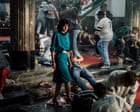
Teodora Ana Mihai and her passionately committed cast reconstruct the grim sequence of bad judgments that led to 39 fans dying Shame and rage are the keynotes of this immersive, viscerally powerful drama-thriller set amid the macabre tragedy of football’s 1985 European Cup final between Juventus and Liverpool in the crumbling Heysel stadium in Brussels. Heysel 85 is directed and co-written by Romanian-born and Belgian-based film-maker Teodora Ana Mihai; she is a former collaborator of Cristian Mungiu, though maybe the influence here is more Paul Greengrass.
Teodora Ana Mihai and her passionately committed cast reconstruct the grim sequence of bad judgments that led to 39 fans dying
Shame and rage are the keynotes of this immersive, viscerally powerful drama-thriller set amid the macabre tragedy of football’s 1985 European Cup final between Juventus and Liverpool in the crumbling Heysel stadium in Brussels. Crowd disorder before kickoff in a poorly maintained, badly policed venue resulted in the deaths of 39 fans. In this film, the roar of the crowd echoing overhead through the stadium’s claustrophobic tunnels is like the wailing of the damned, while the sport’s officer class flinch and panic as if at a wartime loss. Grimly, the match was allowed to go ahead, despite the fatalities; the authorities believed the game itself would restore order on a bread-and-circuses basis, and that abandoning the match would only cause greater violence and chaos.
Heysel 85 is directed and co-written by Romanian-born and Belgian-based film-maker Teodora Ana Mihai; she is a former collaborator of Cristian Mungiu, though maybe the influence here is more Paul Greengrass. The film-makers have been criticised for fictionalising aspects: the players are depicted as not being aware that fans had died before they took to the field – they were in fact largely aware, although it may well be true that the slippery authorities sought to minimise the truth as much as they could. And the fictionalised mayor of Brussels, here named Marc Dumont (Josse De Pauw), has been criticised as an unfair drunken caricature of the actual mayor, Hervé Brouhon.
Asif Kapadia’s recent documentary about Liverpool striker and manager Kenny Dalglish suggested that where Heysel was perceived as a day of shame for Liverpool, Hillsborough four years later was a day of shame for the London press and political establishment. In fact, this movie does not blame Liverpool for Heysel; far from it. The director’s rage is targeted at the bleary and complacent incompetence of the Brussels city authorities that permitted such an important event in a stadium that was literally falling to pieces, and in which the barriers were not opened to allow the desperate crowds on to the pitch (shades of Hillsborough there). It is a rage effectively ventriloquised by the fictionalised Italian politician who confronts the mayor, Giacomo Ferragni (Paolo Calabresi), evidently based on Italy’s real life minister of labour Gianni De Michelis, who was present. Calabresi gives a passionate performance as someone horrified at the sheer self-deluding cynicism and mediocrity of football’s administrative class, blandly unmoved by the dead and dying. A very fierce and intimately disturbing experience.
- heysel
- football
- fan
- film
- review
- rage
- denunciation
- incompetence