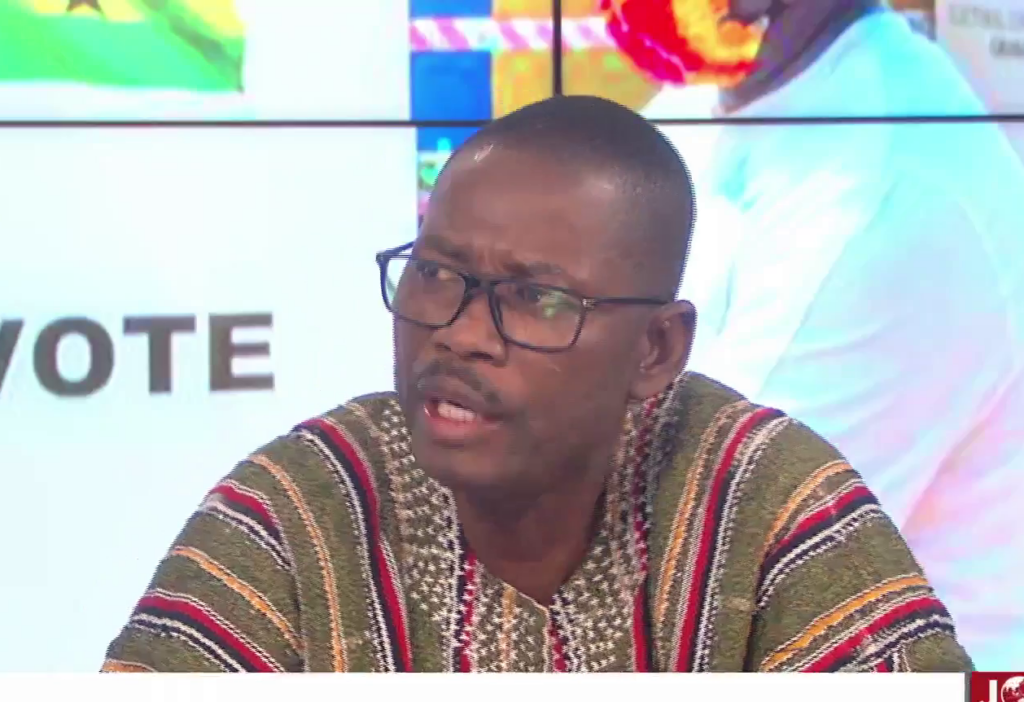
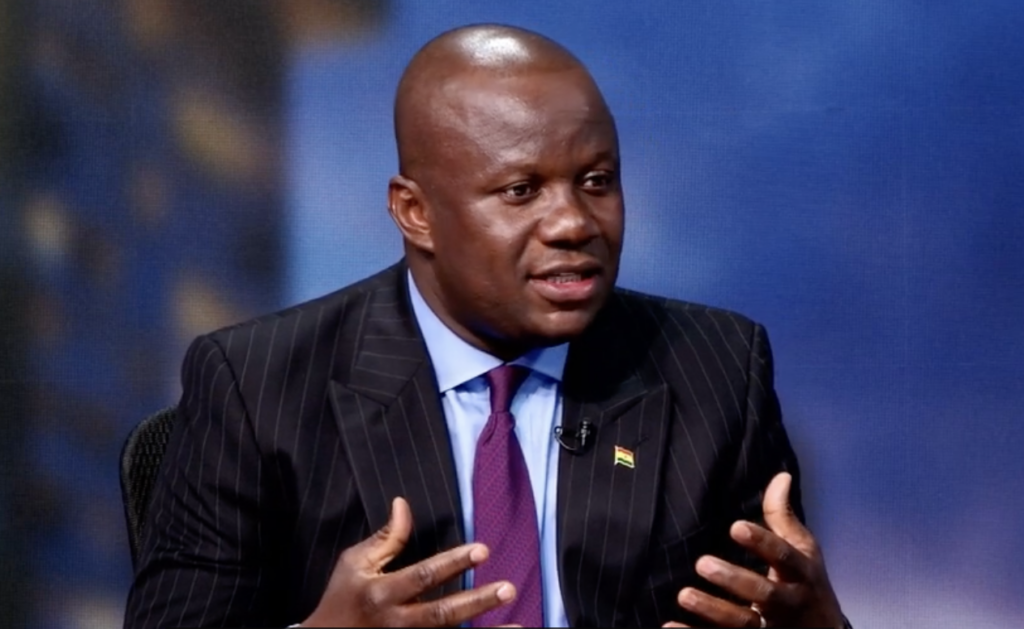
Money over merit: How vote-buying is threatening Ghana’s leadership and national development

Vote-buying in Ghana is increasingly becoming a major threat to democratic accountability and national development. The President of Ghana, the Electoral Commission, Parliament, political parties and relevant anti-corruption institutions must give this issue serious attention.
Vote-buying in Ghana is increasingly becoming a major threat to democratic accountability and national development. What should be a process of electing leaders based on competence, integrity, experience and vision is gradually being influenced by money, gifts and other material inducements.
Unfortunately, some Ghanaians have come to accept the distribution of money to delegates and voters as a normal part of political competition. This raises serious concerns about the quality of leadership the country is producing.
One of the most worrying consequences is that capable individuals who genuinely have the knowledge, experience and commitment to deliver are increasingly at risk of being overlooked because they cannot compete financially. While some candidates believe their track records, achievements and ideas should speak for them, others rely on distributing money to delegates and voters to secure political positions. More concerning is that some individuals seek positions despite knowing they may lack the competence and experience required to perform effectively.
Several factors contribute to this practice, including poverty, unemployment, economic hardship, the monetisation of politics, weak enforcement of electoral regulations and the growing desire among some politicians to acquire power at all costs. Some voters also prioritise immediate financial benefits over the long-term interests of the country.
The consequences can be devastating. When financial influence takes priority over competence, Ghana risks producing ineffective leadership, weak institutions, poor policy implementation and reduced accountability. The country cannot achieve meaningful development if political positions are treated as rewards for financial influence rather than responsibilities requiring knowledge and commitment.
The President of Ghana, the Electoral Commission, Parliament, political parties and relevant anti-corruption institutions must give this issue serious attention. Existing electoral laws must be enforced, political education strengthened and candidates encouraged to compete through their policies, integrity, experience and ability to deliver.
Ghanaians must also understand that the money received during an election campaign cannot compensate for years of unemployment, poor healthcare, inadequate infrastructure and ineffective leadership.
Political leadership must never become an auction where positions go to those who can distribute the most money. Ghana needs leaders who can work, deliver and transform the country, not merely individuals who can buy political support.
- money
- ghana
- leadership
- development
- experience
- country
- position
- competence