Ghana’s unemployed youth seek jobs, but say their voices remain absent from decision-making
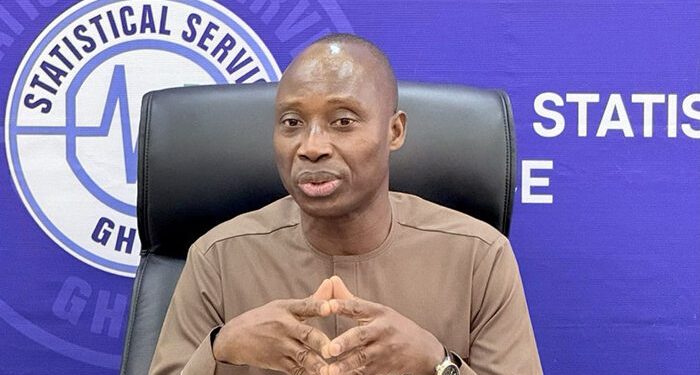
The documentary features three Ghanaian youth leaders: Hariratah Ibrahim Doudu, Vice President of the Student Representative Council (SRC) of the Ghana School of Law; Rashid Ibrahim, President of the National Union of Ghana Students (NUGS); and Sherif Ghali, Chief Executive Officer of the Ghana Chamber of Young Entrepreneurs and President of the Ghana Youth Federation. The concerns are supported by labour market figures from the Ghana Statistical Service (GSS), which show that unemployment remains significantly higher among young people than the national average.
With unemployment remaining one of the biggest concerns confronting young people in Ghana, three youth leaders are calling for greater involvement of the younger generation in decisions on governance, public policy and national development.
They argue that young people must not only be recognised as the country's future leaders but also given meaningful opportunities to influence decisions on issues that directly affect their lives, particularly employment, education and economic opportunities.
Their concerns feature in “We Shall Lead: Voices Shaping the Future of Africa,” a documentary that examines the participation of young people and women in politics and public life, highlighting the barriers that prevent them from assuming leadership roles and influencing public decisions.
The documentary features three Ghanaian youth leaders: Hariratah Ibrahim Doudu, Vice President of the Student Representative Council (SRC) of the Ghana School of Law; Rashid Ibrahim, President of the National Union of Ghana Students (NUGS); and Sherif Ghali, Chief Executive Officer of the Ghana Chamber of Young Entrepreneurs and President of the Ghana Youth Federation.
Their experiences point to a wider concern: while young people are expected to contribute to national development, their concerns and perspectives are not always adequately reflected in the institutions and processes responsible for shaping the country's future.
Unemployment deepens the call for youth inclusion
The concerns are supported by labour market figures from the Ghana Statistical Service (GSS), which show that unemployment remains significantly higher among young people than the national average.
The GSS Quarterly Labour Force Survey for the first three quarters of 2025 put national unemployment at an average of 12.8 per cent, compared with 21.9 per cent among people aged 15 to 35 and 32.4 per cent among those aged 15 to 24.
The figures also showed that nearly two million people aged 15 to 35, representing about 19.5 per cent of that age group, were neither in employment nor education or training by the third quarter of 2025.
A 2025 Afrobarometer study on Ghanaian youth also found that about 34 per cent of young people aged 18 to 35 were looking for work, despite three-quarters having secondary or post-secondary qualifications.
The study further found that 72 per cent of young Ghanaians had considered emigrating, with many citing the search for employment and better economic opportunities.
The figures highlight the need for young people to be involved in shaping employment policies and other national interventions, rather than remaining recipients of decisions made without sufficient consideration of their experiences.
The concern also has implications for national stability. In May 2026, the United Nations Development Programme (UNDP) warned that youth disillusionment and unemployment could threaten Ghana's peace and security through social unrest, radicalisation and conflict.
UNDP Resident Representative in Ghana, Mr Niloy Banerjee, stressed the importance of keeping young people productively engaged to protect the country's stability.
Young people want influence beyond representation
For Mr Ibrahim, the decision to seek student leadership was motivated by the need to create a platform where young people could raise concerns and have their views considered by those in authority.
He said young people had the knowledge, energy and capacity to contribute to national development but needed opportunities to demonstrate their abilities and participate in decision-making.
“The youthful leaders are doing well. Why don't we give them the opportunity,” he asked, arguing that young people could make meaningful contributions if given the right platforms and support.
Mr Ghali said the challenge went beyond appointing young people to leadership positions, stressing that genuine inclusion required giving them the authority to influence decisions.
“The struggle is so serious that young people do not want to go into politics. It is not about including us but allowing us to take decisions,” he said.
He said young people would develop greater confidence in democratic institutions when they saw their concerns reflected in public policies and their peers actively involved in shaping national priorities.
Ms Doudu also highlighted institutional barriers that could discourage young people, particularly women, from seeking leadership positions.
“The system of politics is not really created to accommodate women. It is now, in these days, that the system is trying to accommodate women,” she said.
Drawing on her experience at the Ghana School of Law, she recalled that no woman had attempted to contest the SRC vice-presidency for more than five years before she decided to run, despite women outnumbering men at the institution.
She said her personal circumstances, including losing her father after senior high school, had strengthened her determination to lead and encourage others to challenge existing barriers.
Representation must translate into participation
The concerns raised by the three leaders reflect wider questions about youth representation in Ghana's democratic institutions.
Young people aged 15 to 35 constitute about 38.2 per cent of Ghana's population, according to the 2021 Population and Housing Census, yet their representation in national decision-making remains limited.
Data from the Inter-Parliamentary Union at the beginning of the current Parliament in January 2025 recorded 46 Members of Parliament aged 40 or younger, out of 276 legislators.
Afrobarometer's 2025 research on political participation also found that young Africans were generally less involved than older generations in several civic and political activities, including voting, attending community meetings and contacting elected representatives.
Its findings showed an 18-percentage-point gap between younger and older citizens in voter participation.
The documentary is part of the European Union-funded Women and Youth Democratic Engagement (WYDE) Political Parties Project, led by the European Network of Political Foundations (ENoP) and implemented in Ghana by the Konrad-Adenauer-Stiftung (KAS) Ghana Office.
The project seeks to strengthen the participation of young people and women in democratic processes through leadership training, mentorship and capacity-building workshops.
It also features experiences from political and public leaders in Kenya and Uganda, with the aim of extending lessons on inclusive leadership beyond the project's direct beneficiaries.
The documentary ultimately raises a central question for Ghana's democracy: how can the country address the pressing concerns of its young population when those most affected have limited influence over the decisions intended to shape their future?
- ghana
- people
- youth
- decision
- concern
- cent
- unemployment
- opportunity