Ghana secures 6.57 million forest carbon credits, becomes first African country to receive ART TREES credits
The credits were issued to the Government of Ghana on November 12, 2026, under the Architecture for REDD+ Transactions (ART), making the country the first in Africa to receive credits under the programme. Ghana is also the first country to receive credits under ART’s TREES Crediting Level approach with the Core Carbon Principles (CCP) Approved label from the Integrity Council for the Voluntary Carbon Market (ICVCM).
Ghana has received 6.57 million carbon credits for reducing emissions from deforestation and forest degradation, with the government expecting about US$43 million from the sale of some of the credits.
The credits were issued to the Government of Ghana on November 12, 2026, under the Architecture for REDD+ Transactions (ART), making the country the first in Africa to receive credits under the programme. They cover forest protection efforts across approximately 2.5 million hectares between 2017 and 2021.
Ghana is also the first country to receive credits under ART's TREES Crediting Level approach with the Core Carbon Principles (CCP) Approved label from the Integrity Council for the Voluntary Carbon Market (ICVCM).
The issuance follows years of work to improve forest monitoring and reduce the activities responsible for forest loss. It also gives Ghana an opportunity to raise funds for forest protection and support farmers and communities whose livelihoods depend on forest resources.
The 6.57 million credits recognise reductions in greenhouse gas emissions from deforestation and forest degradation under Ghana's REDD+ programme.
REDD+ stands for Reducing Emissions from Deforestation and Forest Degradation. It also covers forest conservation, sustainable forest management and efforts to increase carbon stored in forests.
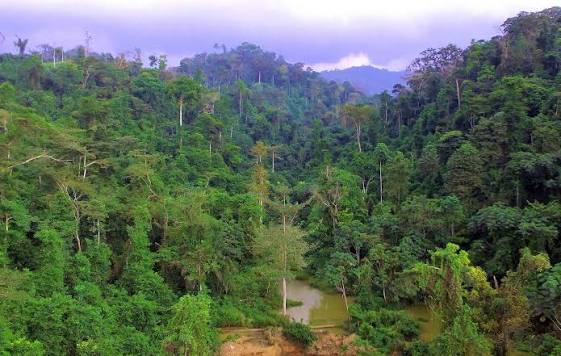
Agricultural expansion, illegal mining and logging have put pressure on Ghana's forests. Cocoa production has also contributed to forest loss in some areas as farms expand into forest landscapes.
Ghana's programme brings together government agencies, cocoa farmers, private companies and local communities to address these pressures while supporting more sustainable agricultural practices.
To qualify for the credits, Ghana had to provide evidence of its emissions reductions using systems that measure changes in forest cover and estimate the amount of carbon released or removed.
The Food and Agriculture Organization of the United Nations (FAO) has supported the Forestry Commission in improving the country's forest monitoring, measurement and reporting systems. The support included the use of digital tools to collect and analyse forest information, helping Ghana prepare the documents required under the TREES standard.
According to FAO, Ghana submitted 11.9 million tonnes of carbon dioxide equivalent (CO₂e) in emissions reductions for the 2017–2021 period. About 90 per cent of the reported reductions came from lower emissions associated with deforestation and forest degradation, while the remaining 10 per cent resulted from increased carbon removals through forest restoration. However, ART issued 6.57 million credits following the assessment and verification process.
The two figures represent different stages of the crediting process. The 11.9 million tonnes were reported by Ghana, while the 6.57 million credits are the volume officially issued under the programme. The public announcement does not provide a full explanation of the difference.
This distinction is important because reported emissions reductions do not automatically become carbon credits. They must meet the requirements of the applicable standard and undergo the necessary assessment before issuance.
Ghana's credits have received the Core Carbon Principles Approved label, a quality mark developed by the Integrity Council for the Voluntary Carbon Market.
The principles set requirements for carbon credits traded in the voluntary market. They cover how emissions reductions are measured, independent verification, transparent tracking, effective governance and the protection of people and the environment.
ART's TREES Crediting Level approach received CCP approval in 2024. Ghana's issuance is the first batch of TREES credits to carry the label.
With the latest issuance, Ghana has also become the third country in the world to receive TREES credits under ART, after Guyana and Costa Rica. Guyana received credits under ART's High Forest, Low Deforestation approach, while Costa Rica received credits under its Removals approach, which recognises forest restoration.
The approval could make the credits more attractive to companies looking to buy carbon credits that meet recognised quality requirements.
However, the label does not mean the credits have been sold or that Ghana has received payment. It is also different from approval under Article 6 of the Paris Agreement or eligibility under the aviation industry's CORSIA offsetting programme, which have separate requirements.
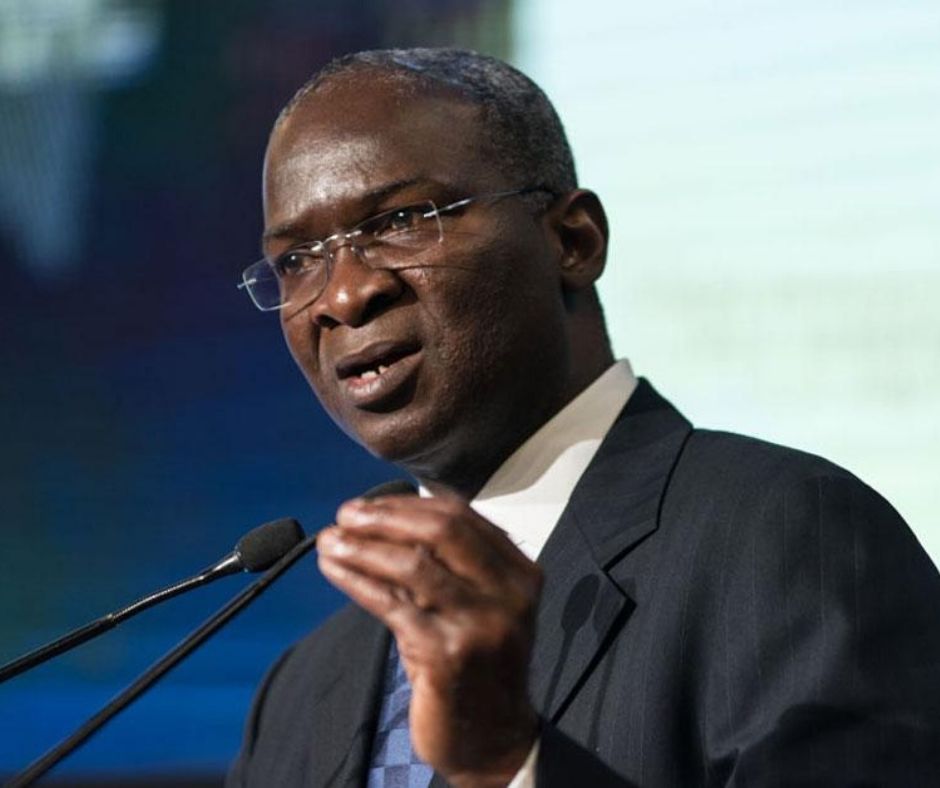
The government expects to receive about US$43 million from the initial sale of some of the newly issued credits. At COP31 in Antalya, Türkiye, the Minister for Lands and Natural Resources, Emmanuel Armah-Kofi Buah, said the expected payments were linked to the anticipated purchase of about four million tonnes of emissions reductions. The proposed prices range from US$10 to US$13 per tonne.
“Ghana is proud to lead the way as the first African country to access climate finance through the LEAF Coalition. This is a landmark achievement that recognises the dedication of our communities, farmers and government to protecting Ghana's forests while pursuing sustainable development. This finance will support our communities in advancing agroforestry, improving livelihoods, and demonstrating that economic growth and forest conservation can go hand in hand,” he said.
The LEAF Coalition is among the buyers associated with Ghana's forest carbon programme. The coalition brings together governments and private companies seeking to finance the protection of tropical and subtropical forests through the purchase of verified emissions reductions.
Ghana's involvement in the LEAF Coalition dates back to COP28 in December 2023, when it became the first country in the world to sign a binding Emissions Reductions Purchase Agreement under the coalition. The agreement, signed with Emergent, the organisation coordinating the coalition, provided for the potential purchase of up to five million tonnes of emissions reductions, valued at up to US$50 million.
The expected US$43 million is not confirmed revenue already received by Ghana. The relevant transactions and payment arrangements must be completed before the country receives the money. The anticipated purchase of four million tonnes would also leave some of the 6.57 million issued credits outside the initial transaction.
The distribution of the expected revenue will be important, particularly for farmers and communities whose activities and livelihoods are closely linked to forest areas.
Ghana's Cocoa Forest REDD+ Programme includes arrangements for sharing emissions reduction payments with farmer groups and local communities.
Under Ghana’s Cocoa Forest REDD+ Programme, 69 per cent of emissions-reduction payments are allocated to local stakeholders in designated intervention areas. The share is divided among farmer groups, traditional authorities and local communities. The benefit-sharing plan is intended to reward those involved in reducing deforestation and improving forest management.
Separately, the LEAF Coalition's transaction arrangements provide for more than two-thirds of net proceeds to go to local stakeholders through an agreed benefit-sharing process. These are distinct benefit-sharing arrangements, although both place emphasis on directing carbon revenue.
Daniel Amponsah, a farmer and Chairman of the Asunafo-Asutifi Hotspot Intervention Area (HIA) Management Board, said the funding could support agroforestry and improve access to essential community services.
“This is a gamechanger. LEAF funding will help communities advance sustainable agroforestry, planting shade trees that not only restore forests but also help improve cocoa yields and incomes. And finance from LEAF will also support communities to build new boreholes for fresh water, schools and health facilities,” he said.
- forest
- ghana
- carbon
- credit
- country
- art
- trees
- emission