health

The Drugs Don’t Work

The Drugs Don’t Work

A look at how antibiotic overuse could fuel superbugs, killing eight million people annually by 2050.

A look at how antibiotic overuse could fuel superbugs, killing eight million people annually by 2050.

The challenges posed by antimicrobial resistance show where its impact is most acutely and tragically manifested: infant mortality in the developing world, specifically in sub-Saharan Africa. This film shows what these bland statistics mean in real terms to the health workers and families affected, following them as they struggle to fight this battle with low-tech solutions.

The Drugs Don’t Work follows the battle to the United Kingdom and examines how and why penicillin, the world’s most successful antibiotic, was invented. It then examines why pharmaceutical companies like GlaxoSmithKline are struggling to produce novel solutions to the problem of antimicrobial resistance (AMR).

The film also explores the cutting edge of academic research at British universities and hospitals supported by the power of the UK-based tech company DeepMind, and features academics and advocates who are devoting their lives to solving the problem. Returning to Africa, it shows how local innovation and the tools offered by the developed world are now saving lives and contributing to the global battle against AMR – an effort that could ultimately save millions of lives.

  • drugs
  • look
  • overuse
  • superbug
  • people

Summaries and tags are generated automatically. Stay informed with VidiaNews.

Related news

The truth about dying: hospice workers on what loved ones should know
health

The truth about dying: hospice workers on what loved ones should know

Anna Gordon met hospice care workers across the UK, learning how dignity and choice help create meaningful moments for patients Most people in the UK actively avoid conversations about death and dying. Jenna Heritage: ‘Everyone’s big fear is that they are going to die in pain’ Continue reading...

Read →
ABBACARE: How Kano is expanding healthcare access for the most vulnerable
health

ABBACARE: How Kano is expanding healthcare access for the most vulnerable

Implemented by the Kano State Contributory Healthcare Management Agency (KSCHMA), ABBACARE is designed to provide healthcare coverage for vulnerable groups, including pregnant women, persons living with sickle cell disorder and emergency patients. According to figures provided for the initiative, ABBACARE has enrolled 28,721 beneficiaries and extended service delivery to 13 hospitals across Kano State’s three senatorial zones.

Read →
Legal reforms meaningless without access to lawyers – AG
health

Legal reforms meaningless without access to lawyers – AG

Attorney-General and Minister for Justice Dr Dominic Ayine says Ghana’s legal reforms will have limited impact if vulnerable people cannot afford legal representation to enforce their rights. He said his experience, including cases handled at the High Court in Tarkwa, had shown him the difficulties vulnerable people face in accessing justice.

Read →
26.3m People living with HIV in Africa — WHO
health

26.3m People living with HIV in Africa — WHO

By Chidinma Chukwu, Abuja The World Health Organisation (WHO) has estimated that 26.3 million people are living with HIV in Africa in 2026, with 21.7 million currently receiving antiretroviral therapy. Janabi noted that countries across the African Region had introduced ambitious HIV programmes, including differentiated service delivery, integration of HIV services into primary healthcare and stronger community-based health systems.

Read →
Kenya targets paediatric HIV treatment gaps in World AIDS Day campaign
health

Kenya targets paediatric HIV treatment gaps in World AIDS Day campaign

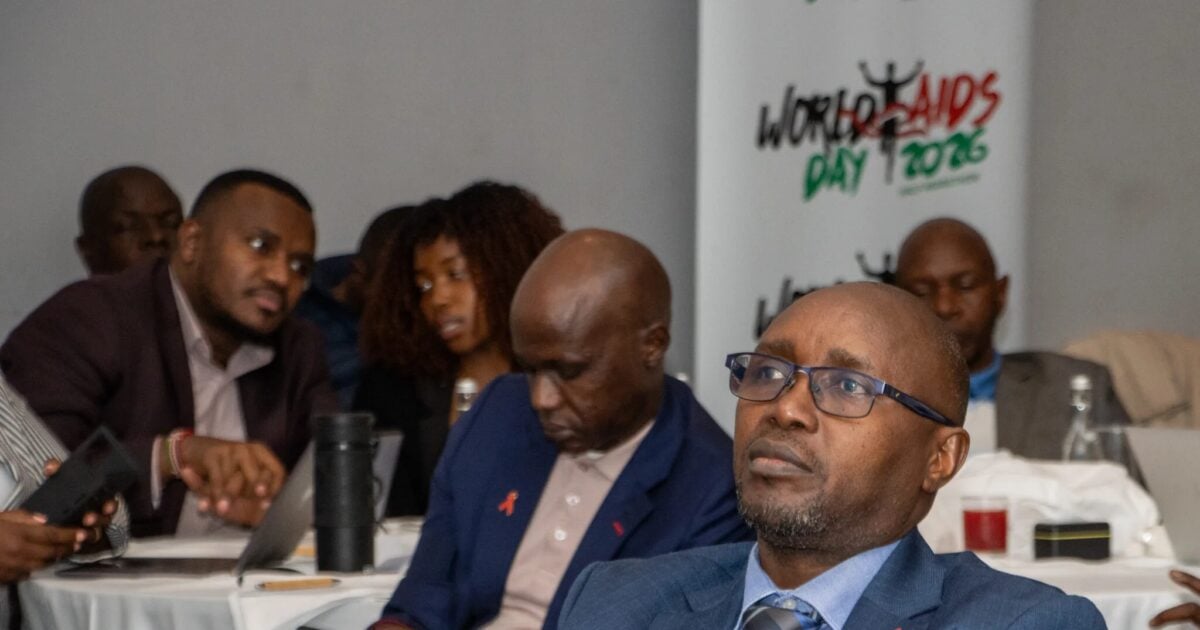
NAIROBI, Kenya, Nov 21– Children, adolescents and young people account for 55 per cent of new HIV infections in Kenya, exposing a widening gap in the country’s fight against AIDS despite a significant decline in overall infections. The National Empowerment Network of People Living with HIV/AIDS in Kenya (NEPHAK) raised concerns last year that some members were being charged between Sh500 and Sh2,000 for HIV tests that had previo

Read →