Secondary education must transform to prepare 330 million young Africans for work — Report
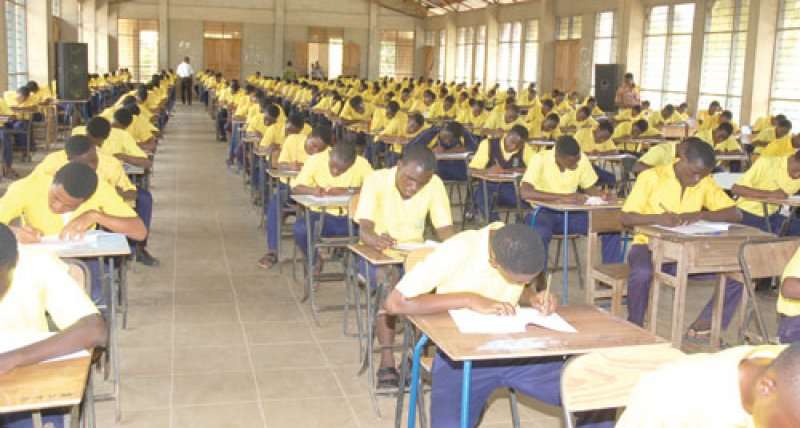
Secondary education systems across Africa must undergo fundamental transformation to equip a surging youth population with practical skills for work, livelihoods, and lifelong learning, a new report launched in Accra has warned. Unveiled on Tuesday, November 24, 2026, by the Mastercard Foundation, the second phase of its Secondary Education in Africa report—titled Expanding Pathways to Work, Livelihoods, and Lifelong Learning-notes that secondary schooling is the final stage of formal education for most young Africans and governments’ last opportunity to reach the future workforce at scale.
Secondary education systems across Africa must undergo fundamental transformation to equip a surging youth population with practical skills for work, livelihoods, and lifelong learning, a new report launched in Accra has warned. Unveiled on Tuesday, November 24, 2026, by the Mastercard Foundation, the second phase of its Secondary Education in Africa report—titled Expanding Pathways to Work, Livelihoods, and Lifelong Learning-notes that secondary schooling is the final stage of formal education for most young Africans and governments’ last opportunity to reach the future workforce at scale.
The study highlights a stark demographic reality: more than 10 million young people enter Africa’s labour market each year, yet only about three million formal jobs are projected to be created annually. By 2035, over 330 million young people in Sub-Saharan Africa are expected to reach working age – more than in the rest of the world combined – while tertiary enrollment remains at just nine per cent.
Gains and persistent exclusions Building on the foundation’s 2020 report, secondary enrollment rose from 95 million in 2020 to more than 110 million learners in 2024, alongside gains in lower and upper secondary completion rates and a narrower gender gap. However, the report cautions that 85 per cent of recent enrollment growth reflects larger age cohorts moving through the system rather than improved progression – a “demographic treadmill” that forces systems to expand just to hold participation steady.
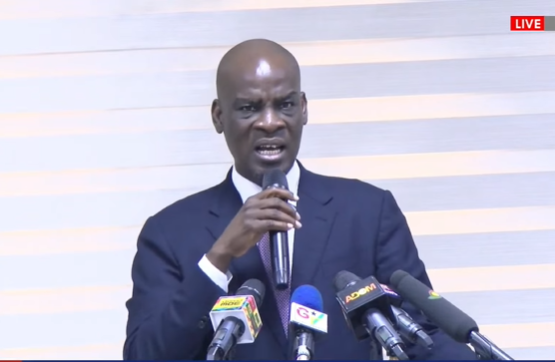
Meanwhile, an estimated 77 million secondary school-age young people remain out of school, including 31.2 million in crisis-affected settings, and young women accounted for 61 per cent of the 102 million young people classified as Not in Employment, Education, or Training (NEET) in 2025. Addressing the launch, the President and Chief Executive Officer of the Mastercard Foundation, Ms Sewit Ahderom, stressed that education at the secondary level must translate into real opportunities.
“Education for today’s young people, especially at the secondary level, must lead somewhere. For most young Africans, secondary school is the last time a system reaches them at scale. It’s where we can make the biggest difference to whether they find dignified and fulfilling work. Teachers turn ideas on paper into something a young person experiences in real life, and we need to back them.” Ghana highlights teacher focus; regional voices weigh in Four ministers of education attended the Accra launch.
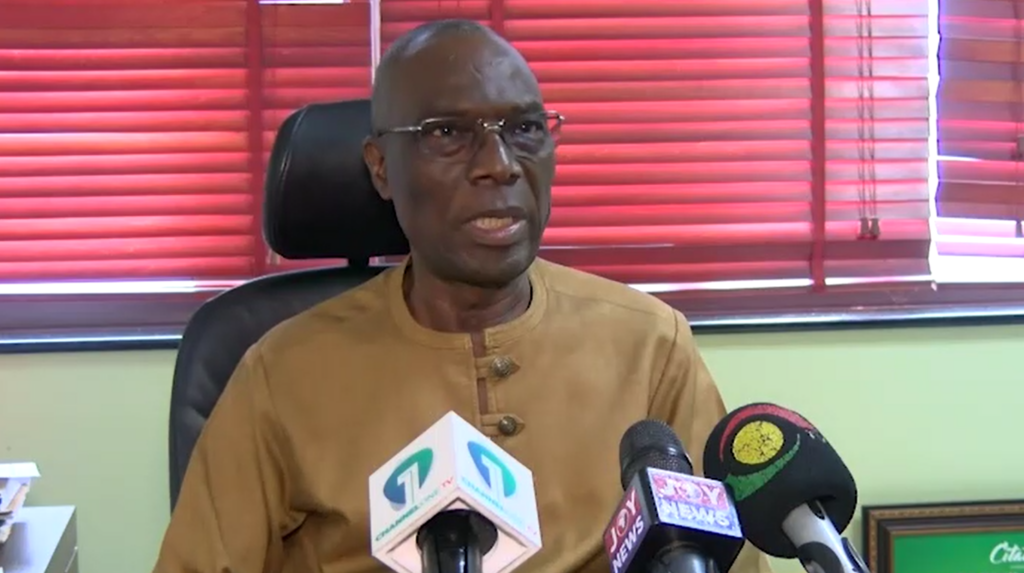
Hosting the event, Ghana’s Minister for Education, Mr Haruna Iddrisu, emphasized that expanding access must be matched with strong teacher development and motivation. “Through Free Senior High School, we have opened the doors of secondary education to hundreds of thousands more young people. This report reminds us that access is the beginning, not the end.
Whether access translates into learning depends largely on one of our greatest assets – teachers. The report makes clear that building a skilled, motivated, and empowered workforce is essential for transformation,” Mr Iddrisu said. Liberia’s Minister of Education, Dr Jarso Maley Jallah, said evidence from the report would help guide targeted investments to keep girls and boys in school and move them into dignified work despite tight resources.
Rwanda’s Minister of Education, Mr Joseph Nsengimana, called for governments to recognize, accredit, and scale flexible learning pathways alongside formal schooling, while Sierra Leone’s Minister of Basic and Senior Secondary Education, Mr Conrad Sackey, underscored radical inclusion so no learner is left behind due to poverty, pregnancy, disability, or location.
Pathways, financing and next steps With nearly 90 per cent of youth employment in Africa in the informal sector and shifts driven by digital platforms, artificial intelligence, the green economy, and climate change, the report urges curricula, transition support, inclusion, flexible pathways, and technology to advance together across wage employment, self-employment, and entrepreneurship.
It also flags mounting financing pressures: only 22 of 42 African countries with available data meet the recommended share of gross domestic product (GDP) for education, while debt servicing has exceeded education spending in 18 countries since 2020. Drawing on country case studies—including Ghana, Ethiopia, Malawi, Rwanda, Senegal, Sierra Leone, and Tanzania – and aligned with continental frameworks such as the African Union’s Decade of Education and Skills Development (2025–2034) and Agenda 2063, the launch kicks off ongoing country-level policy engagement and dialogue.
FINAL PRESS RELEASE_Secondary Education in Africa Report_Nov212026Download
- education
- report
- work
- africans
- people
- africa
- school
- minister