Government allocates over GH¢5bn to Legislature, Judiciary and Audit Service for 2027
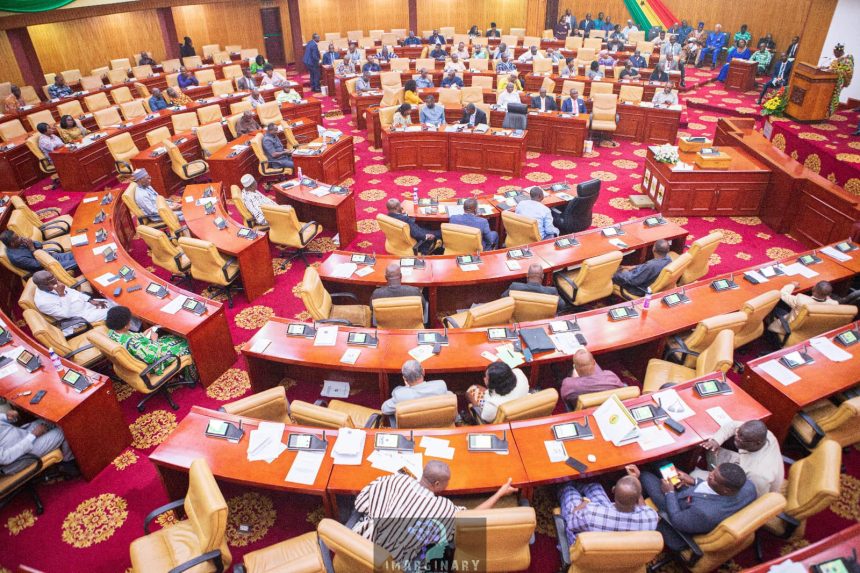
The Government has allocated over GH¢5 billion to Parliament, the Judiciary and the Ghana Audit Service for the 2027 financial year, in line with Article 179 of the 1992 Constitution, which provides for budgetary allocations to state institutions. The allocations cover the expenditure requirements of the three institutions for the 2027 financial year, with Parliament receiving a recommended GH¢2,283,561,480, the Judiciary GH¢1,426,188,719.02 and the Ghana Audit Service GH¢1,315,963,661.
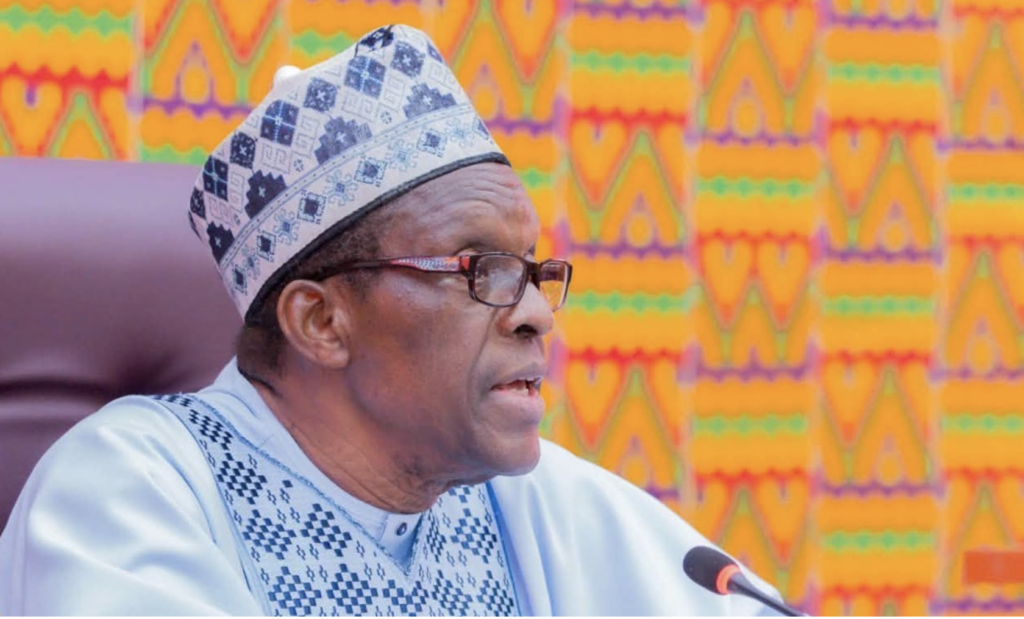
The Government has allocated over GH¢5 billion to Parliament, the Judiciary and the Ghana Audit Service for the 2027 financial year, in line with Article 179 of the 1992 Constitution, which provides for budgetary allocations to state institutions. Speaker of Parliament Alban Bagbin announced the proposed allocations on the floor of Parliament on Tuesday, November 24, 2026, while presenting figures contained in a letter from the President to the House.
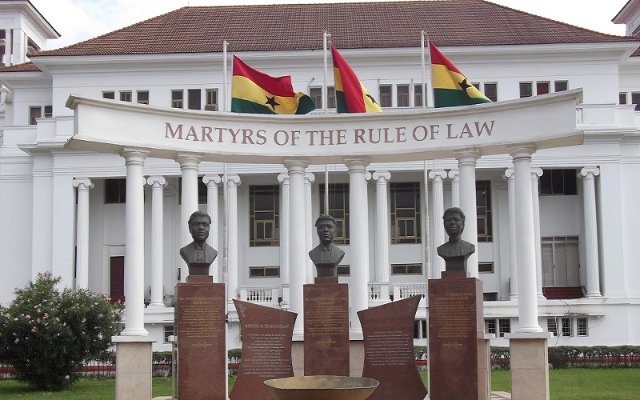
The allocations cover the expenditure requirements of the three institutions for the 2027 financial year, with Parliament receiving a recommended GH¢2,283,561,480, the Judiciary GH¢1,426,188,719.02 and the Ghana Audit Service GH¢1,315,963,661. Judiciary’s request reduced by GH¢143m The Judiciary and Judicial Service submitted a budget request of GH¢1,569,553,531.2 for the 2027 financial year.
However, Government has recommended GH¢1,426,188,719.02, representing a shortfall of approximately GH¢143.4 million. Announcing the figure, Mr Bagbin said the recommendation had been influenced by the country’s limited fiscal space. “In view of the limited fiscal space, the government recommends a total allocation of 1,426,188,719 Ghana cedis and 2 pesewas for the Judiciary and the Judicial Service for the 2027 financial year,” he stated.
The proposed funding is expected to support the operational requirements of the Judiciary and Judicial Service, including the administration of justice and the functioning of the country’s courts. Parliament and the Parliamentary Service submitted a budget request of GH¢2,953,139,666 for the 2027 financial year. The President’s recommendation, however, stands at GH¢2,283,561,480, leaving a difference of approximately GH¢669.6 million between the requested amount and the proposed allocation.
The recommended funding is expected to support parliamentary activities and the administrative operations of the Parliamentary Service during the period. Meanwhile, the Ghana Audit Service has been recommended GH¢1,315,963,661 for the 2027 financial year. According to the Speaker, the amount fully meets the institution’s budget request and covers its expenditure on employee compensation, goods and services, and capital expenditure.
“This allocation fully meets the Audit Service request for compensation for employees, goods and services, and capital expenditure,” Mr Bagbin announced. The funding is expected to support the institution’s work in auditing public accounts and promoting accountability in the management of public resources.
- service
- judiciary
- audit
- government
- allocation
- parliament
- request
- ghana