‘Today’s children know their rights’ – Haruna Iddrisu backs ban on corporal punishment

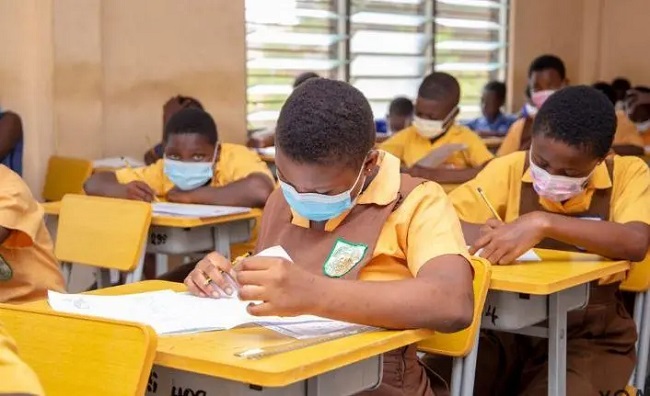
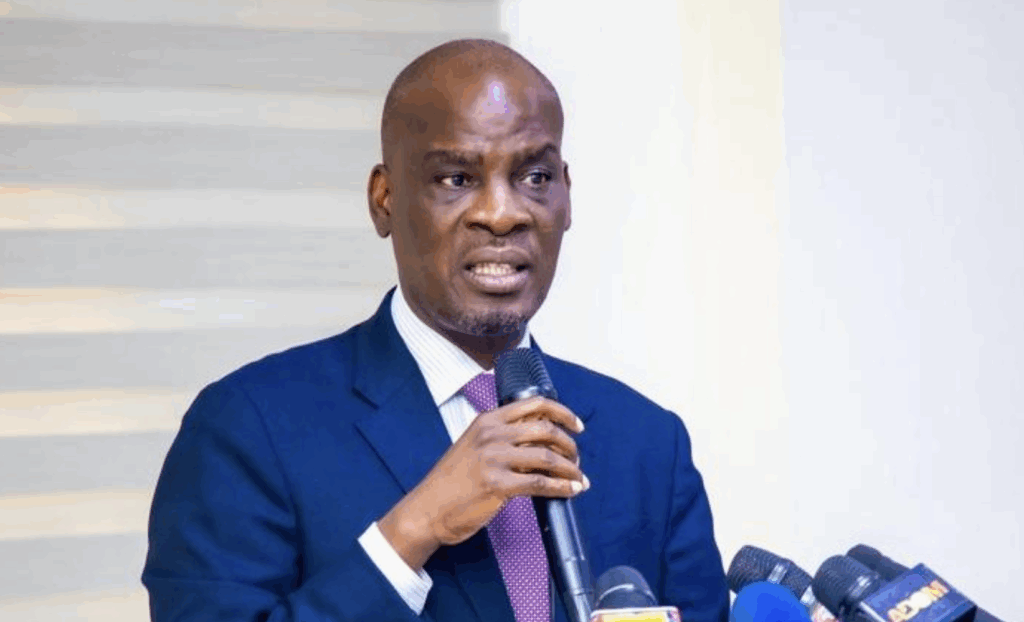
Education Minister Haruna Iddrisu has defended Ghana’s 2017 ban on corporal punishment in schools, saying children today are more aware of their rights and must be disciplined through nonviolent methods. Responding to questions in Parliament, Mr Iddrisu said the Ghana Education Service (GES) formally abolished corporal punishment in schools in 2017 as part of efforts to protect the rights of learners.
Education Minister Haruna Iddrisu has defended Ghana’s 2017 ban on corporal punishment in schools, saying children today are more aware of their rights and must be disciplined through nonviolent methods.
He maintained that the decision by the erstwhile Akufo-Addo administration to abolish caning in public and private pre-tertiary schools was well-considered and remains appropriate.
Responding to questions in Parliament, Mr Iddrisu said the Ghana Education Service (GES) formally abolished corporal punishment in schools in 2017 as part of efforts to protect the rights of learners.
"In 2017, the Ghana Education Service officially abolished all forms of corporal punishment, including caning, across public and private pre-tertiary schools in Ghana. We have upheld that position, particularly in the age of human rights," he said.
The prohibition was incorporated into the 2017 revised Code of Conduct for GES staff, which made the use of the Positive Discipline Toolkit mandatory.
A reinforcement circular was subsequently issued in 2019 following reports that some teachers continued to cane students despite the prohibition.
Mr Iddrisu said the policy was based on the recognition that children were increasingly conscious of their rights and should be treated accordingly.
"Today's children are unlike our generation. They know their rights, and they demand those rights. And I think that it was thought through," he said.
"These days, I don't think that the previous administration was wrong in this judgment on this matter."
Under the policy, teachers and school heads are required to replace physical punishment with nonviolent behaviour-management approaches outlined in the Positive Discipline Toolkit.
These include counselling, withdrawal of privileges, detention, reflection periods and restorative tasks.
The Minister referred to the traditional "carrot and stick" approach to discipline, saying schools could encourage good behaviour through rewards while applying appropriate consequences for misconduct without resorting to physical punishment.
"Reward and reinforce good behaviour with the carrot, and then punish it if it was wrong. We are doing that," he said.
He also warned that teachers who violate the ban by administering corporal punishment could face disciplinary sanctions, including interdiction or dismissal, as well as possible criminal prosecution.
Beyond the school environment, Mr Iddrisu linked some disciplinary challenges to what he described as declining family values and inadequate parental care.
"What is happening in the country is a general weakness of family values and a weakness of parental care and responsible parenting," he said.
He called on parents to respect teachers and recognise their role in shaping children's behaviour and development.
The Minister described teaching as the foundation of other professions, including medicine, engineering, law and politics.
"The teaching profession is the profession of all other professions, whether you are engineer, doctor, lawyer, politician, MP — you are taught by a teacher," he said.
He stressed the importance of mutual respect between parents and teachers, while maintaining that students' rights must also be protected.
- punishment
- iddrisu
- right
- school
- ban
- teacher
- child
- haruna