FG moves to curb unauthorised GMO imports
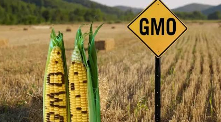
The Federal Government has commenced moves to strengthen border controls and prevent the importation of genetically modified organism (GMO) products and other regulated biological materials without the required approvals. The Director-General of the National Biosafety Management Agency (NBMA), Dr Fatima Suleiman-Zuntu, disclosed this on Thursday at the 2026 National Biosafety and Biosecurity Summit in Abuja.
By Folarin Kehinde The Federal Government has commenced moves to strengthen border controls and prevent the importation of genetically modified organism (GMO) products and other regulated biological materials without the required approvals. The Director-General of the National Biosafety Management Agency (NBMA), Dr Fatima Suleiman-Zuntu, disclosed this on Thursday at the 2026 National Biosafety and Biosecurity Summit in Abuja.
She said the agency had commenced the process of integrating its operations into the National Single Window to strengthen coordination with other agencies responsible for the movement of goods across the country’s borders. According to her, the initiative would improve import monitoring, facilitate the verification of regulatory approvals and prevent the entry of regulated products and materials without the necessary authorisation.
Suleiman-Zuntu said the move would also strengthen border biosecurity and enforcement while promoting more efficient and transparent regulatory processes. She disclosed that the agency had established a monitoring team to conduct inspections of supermarkets and retail outlets every two months to ensure that genetically modified organism products displayed for sale had the required NBMA approvals.
The NBMA director-general explained that the inspections would help identify unauthorised products and ensure that only those meeting the country’s regulatory requirements were allowed into the market. She added that the agency was automating its regulatory and administrative processes, with the platform expected to become operational soon. According to her, the system would improve application processing, record management, compliance monitoring and accountability.
Suleiman-Zuntu further disclosed that the agency had reviewed and validated national guidelines for high-consequence biological agents and toxins, while completing guidelines on progeny mining and hybrid sales involving biotechnology-based hybrid systems. She said the agency was also developing its first strategic roadmap for 2026 to 2030 to define its priorities, strengthen institutional capacity and ensure accountability.
The NBMA chief stressed that the agency was not opposed to scientific research or technological advancement but was committed to ensuring that biotechnology products and related activities complied with the law. Also speaking, the Minister of Environment, Balarabe Lawal, called for stronger institutional capacity and collaboration among relevant agencies to address emerging biological threats.
He said efforts were underway to strengthen the operational presence of relevant agencies at airports, seaports and land borders through improved cooperation with the Nigeria Customs Service, Nigeria Immigration Service and other security agencies. Lawal said effective information sharing would help mitigate biological risks without creating unnecessary barriers to legitimate trade.
- agency
- product
- gmo
- border
- nbma
- approval
- national
- suleiman