Momentous decision looms after judges call for Netanyahu charges to be dropped

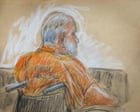
Dropping of corruption charges against Israeli PM after unusual intervention could set damaging precedent The Israeli judges presiding over Benjamin Netanyahu’s corruption trial have called on prosecutors to end proceedings, a highly unusual intervention that leaves the attorney general facing a momentous political decision. Ending the trial without a ruling could set damaging precedents for media independence and how politicians are held to account.
Dropping of corruption charges against Israeli PM after unusual intervention could set damaging precedent
The Israeli judges presiding over Benjamin Netanyahu’s corruption trial have called on prosecutors to end proceedings, a highly unusual intervention that leaves the attorney general facing a momentous political decision.
The prime minister has been charged with bribery, fraud and breach of trust in three complex and overlapping criminal cases that hinge on his relationship with telecoms magnates and other wealthy businessmen. Ending the trial without a ruling could set damaging precedents for media independence and how politicians are held to account.
“There were evidentiary difficulties in the case, but the position the judges laid out effectively means abandoning the media to the whims of politicians and publishers, and setting an impossible bar for conviction in corruption cases,” said Yael Freidson, the legal correspondent for Haaretz, who has covered the trial since it began in 2020.
The judges urged prosecutors to drop one case because “the chances of a conviction are low”, seek a plea deal in a second, and reconsider the third set of charges. Even if prosecutors were to prove the allegations of fraud and breach of trust in that case, it was not clear that Netanyahu’s alleged behaviour amounted to criminal conduct, they said.
The attorney general, Gali Baharav-Miara, who was summoned to court to hear the judges’ statement in person, must now decide whether to accept their recommendations and end a trial that has dominated and shaped Israeli politics for the best part of a decade.
The decision is not straightforward, even though the current bench has in effect indicated a not guilty verdict is a foregone conclusion. If the trial continues, their ruling could still be appealed to a higher court, where fresh judges could take a different stance.
“[The former prime minister] Ehud Olmert was acquitted on all charges by the district court and was subsequently convicted by the supreme court on a minor charge,” Ben Caspit wrote in Maariv. “It ain’t over till it’s over.”
“[Baharav-Miara] could opt to reach a lenient plea bargain agreement with the defendant and put it all to rest, but that would be an admission of the entire justice system’s failure and would further fuel the conspiracy theories that Netanyahu and his disciples have been pumping ever since he was indicted.”
Settling or dropping all charges would immediately and permanently absolve Netanyahu, ending the threat of jail time and dispelling the legal shadow hanging over his political future.
A bill making its way through the opposition-controlled parliament would in effect bar him from serving as prime minister until the trial was concluded.
Netanyahu, who has pleaded not guilty to all charges, claims he is the victim of a political witch-hunt and welcomed the judges’ recommendation as a vindication. “The truth has finally come to light,” he said.
Baharav-Miara has withstood pressure from the judges in the case twice before. In 2023 and in 2025 they urged prosecutors to drop bribery charges, the most serious ones that Netanyahu faces, although they stopped short of suggesting the whole trial should be wrapped up.
Perhaps the single point of agreement between Netanyahu’s supporters and his critics in relation to the trial is concern that it has been allowed to drag on for too long. Testimony from Netanyahu had extended over a year and a half, across 98 hearings, the longest by a single witness in Israeli judicial history, Freidson said. The transcripts from all the hearings run to more than 60,000 pages.
Oren Persico has sat in every hearing since the case began in 2020, covering it for the investigative magazine The Seventh Eye. Over that period he watched the judges slowly lose control of their courtroom, he said.
“It started with giving the defence a lot of rope to do what they wanted. Netanyahu’s lawyer lashed out at the prosecution and humiliated them, almost every day, and attacked the judges, which should be an absolute red line in court,” he said. “I think the judges are afraid and tired; they just want to get it all over with.”
The sense of a bench cracking under pressure was exacerbated by the recommendation to reconsider charges in one of the cases against Netanyahu. These were laid out by prosecutors seven years ago, and have not changed since, prompting joking questions about whether the judges had even read the indictment, and serious ones about their political judgment.
When Netanyahu was indicted, he decided to fight the charges both inside and outside the courtroom, declaring war on the prosecution, the media, the police and key democratic and judicial institutions, Persico said.
“To keep himself out of jail, he tried to form an authoritarian state here in Israel, which tore apart society. I understand the interest in putting an end to that,” Persico said. “But ending the trial would send a terrible message to criminals and politicians and media bosses: that if you fight strongly enough you can get away with anything.”
- decision
- netanyahu
- judge
- charge
- corruption
- intervention
- precedent
- trial