Lok Sabha seat freeze is no longer linked to population stabilisation
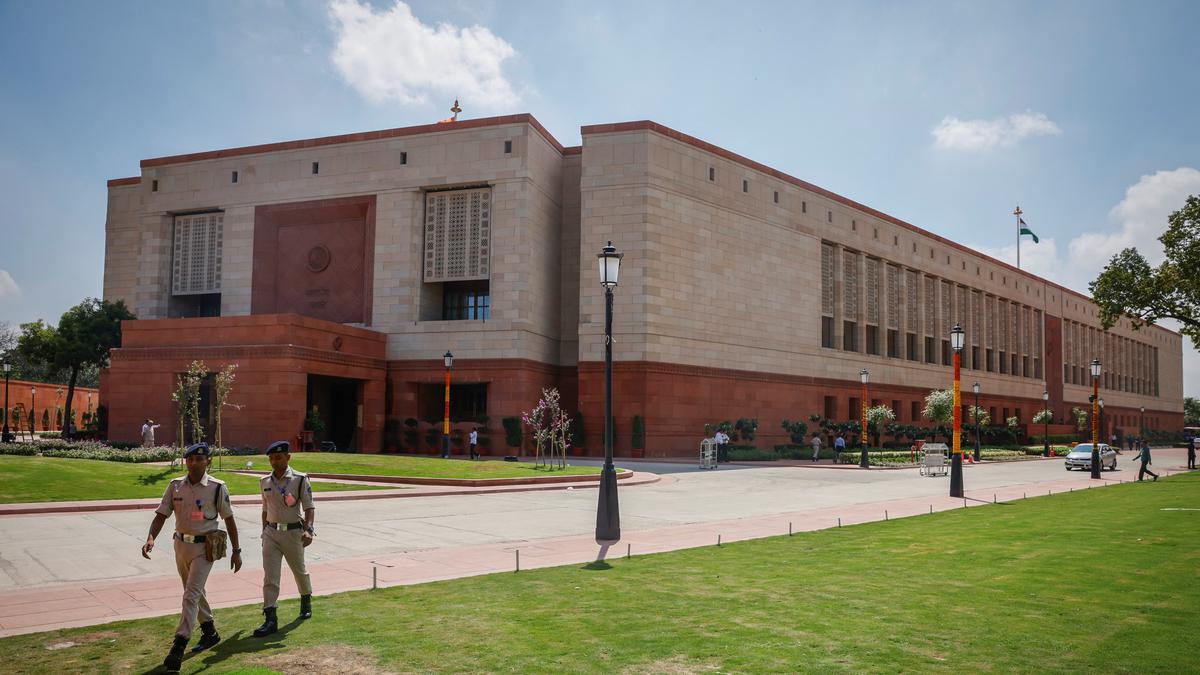
The distribution of seats based on 1971 Census continued for 50 years for the reason that a readjustment would adversely affect the proportion of States that stabilised population. That link between population stability and Lok Sabha share has been removed in the 132nd Constitutional Amendment Bill
The nexus between freezing the proportion of seats and women’s reservation is unclear, but that is how the statement of objects and reasons for the fresh Bill presents it. File
The amendments in the Constitution being proposed in a Bill approved by the Union Cabinet propose to continue the existing proportion of strength in the Lok Sabha of individual States for another 25 years, until 2051.
The existing distribution of Lok Sabha seats was based on the population distribution recorded in the 1971 Census, and determined in the delimitation of 1973. That distribution continued for 50 years for the reason that a readjustment would adversely affect the proportion of States that stabilised population. Population stability was a stated objective of the Indian government. That link between population stability and Lok Sabha share has been removed in the proposed 132nd Constitutional Amendment Bill. The freeze on proportion will continue for another 25 years, as a special measure to accommodate 33 per cent seats for women.
Lok Sabha / Delimitation / constitution / Bharatiya Janata Party / Indian National Congress / national government / Analysis
- population
- lok
- sabha
- seat
- freeze
- stabilisation
- stability
- distribution


