education

KNBS report: Counties where one JSS teacher handles 140 pupils
KNBS report: Counties where one JSS teacher handles 140 pupils

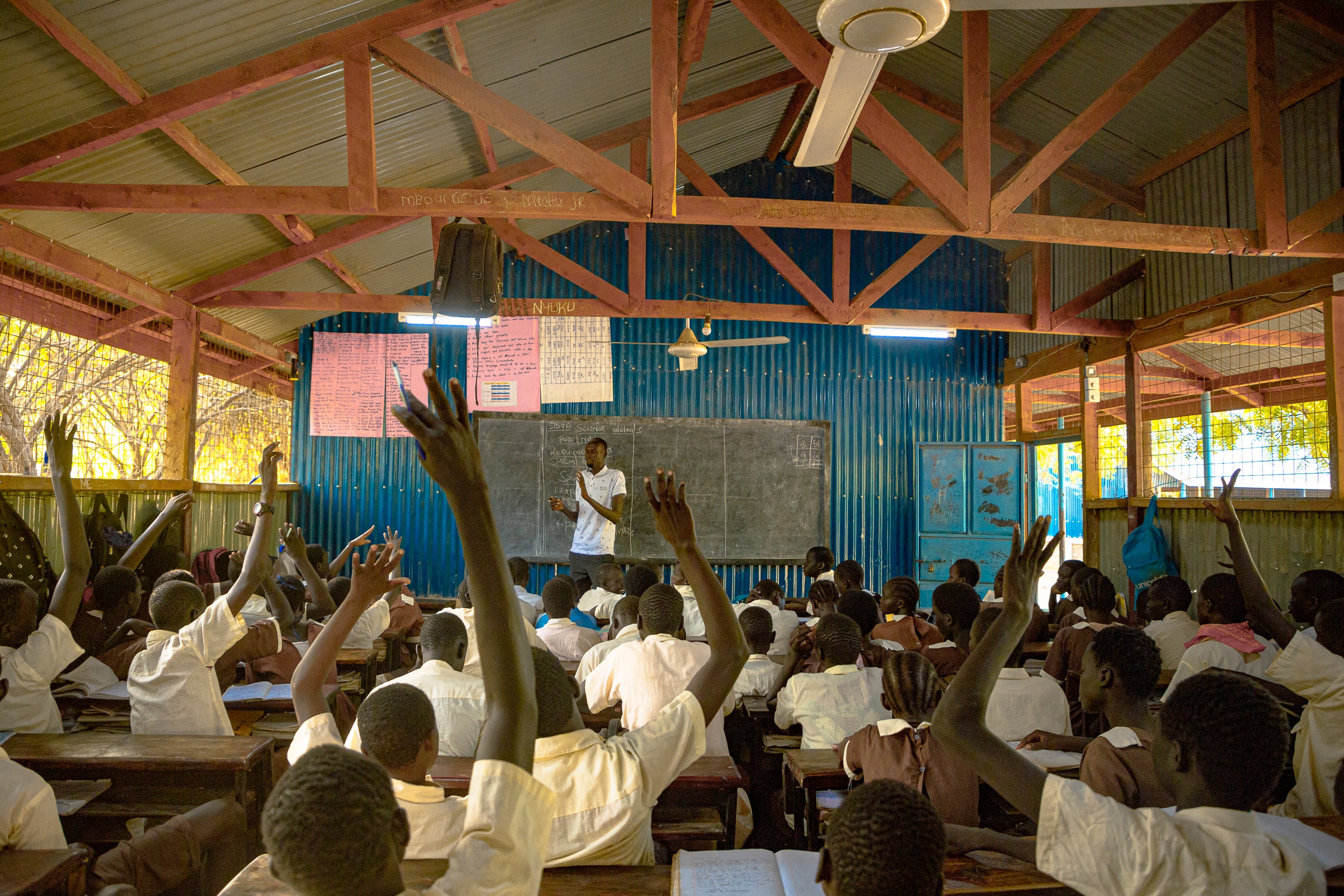
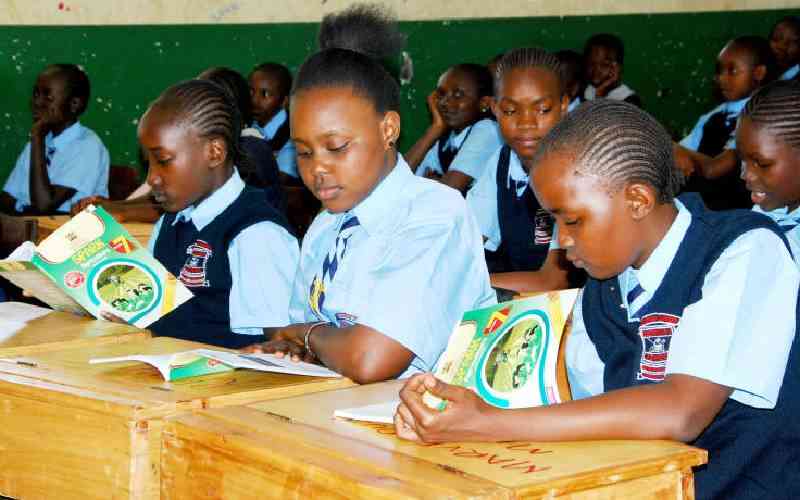
NAIROBI, Kenya Nov 28 – Public junior schools are facing a serious teacher shortage, with some counties having more than 100 learners for every teacher, according to a new report by the Kenya National Bureau of Statistics (KNBS). The 2024 Kenya School Census reveals that Mandera had the country’s highest learner-to-teacher ratio in public junior schools, with 140 learners for every Teachers Service Commission (TSC) teacher when interns were excluded.

NAIROBI, Kenya Nov 28 – Public junior schools are facing a serious teacher shortage, with some counties having more than 100 learners for every teacher, according to a new report by the Kenya National Bureau of Statistics (KNBS).

The 2024 Kenya School Census reveals that Mandera had the country’s highest learner-to-teacher ratio in public junior schools, with 140 learners for every Teachers Service Commission (TSC) teacher when interns were excluded.

Marsabit followed with 134 learners per teacher, while Kirinyaga recorded 133 and Wajir 130.

Nationally, public junior schools had 74 learners for every TSC-employed teacher when interns were excluded, raising questions about the ability of schools to provide individual attention to learners under the Competency-Based Education (CBE) system.

The situation improves significantly when teacher interns are included.

The national ratio drops to 34 learners per teacher, although Mandera still records a worrying 111 learners per teacher.

“The figures show the pressure facing schools as Kenya implements education reforms that require teachers to guide learners through practical activities, assessments and different learning pathways,” said KNBS Acting Director General Benjamin Avusevwa.

The report also shows that private junior schools had a learner-to-teacher ratio of 15:1, compared to 74:1 in public institutions when only TSC teachers excluding interns are considered.

“The gap raises questions about the differences in learning conditions between children attending public and private schools,” said Avusevwa.

At primary school level, public institutions had an average of 28 learners per TSC teacher, compared to 24:1 in private schools.

Mandera again recorded one of the highest ratios in public primary schools at 59:1, followed by Turkana at 54:1 and Nairobi at 52:1.

Public secondary schools had 32 learners per TSC teacher, with Turkana recording 60:1 and Mandera 52:1.

Across all levels of basic education, Kenya had 746,444 teaching staff, with 573,184 working in public schools and 173,260 in private institutions.

Female teachers accounted for 56.6 per cent of the national teaching workforce, while men represented 43.4 per cent.

The KNBS report provides a detailed picture of the human resources available in schools as the government works towards improving access to quality education.

“The census would provide information to help address regional differences in education infrastructure and resources,” Education Cabinet Secretary Julius Ogamba said.

He noted that the findings would help ensure resources are directed to areas where they are most needed.

The report also highlights the challenge of ensuring that the growing number of learners is matched by an adequate number of teachers.

For parents, the figures raise an important question: how much individual attention can a learner receive in a classroom where one teacher is responsible for dozens of children?

The findings are particularly significant for junior schools, which are at the centre of the country’s transition to the Competency-Based Education system.

  • teacher
  • school
  • learner
  • report
  • education
  • knbs
  • kenya
  • tsc

Summaries and tags are generated automatically. Stay informed with VidiaNews.

Related news

Over 100,000 refugee learners in Kenya’s schools – KNBS
education

Over 100,000 refugee learners in Kenya’s schools – KNBS

NAIROBI, Kenya Nov 28 – More than 100,000 refugee learners are enrolled in Kenyan schools, with the majority attending primary education, according to a new report by the Kenya National Bureau of Statistics (KNBS). “Their enrolment in Kenyan schools reflects the country’s responsibility to provide access to basic education to children living within its borders,” said KNBS Acting Director General Benjamin Avusevwa.

Read →
Millions of pupils attend school without meals, KNBS report shows
education

Millions of pupils attend school without meals, KNBS report shows

NAIROBI, Kenya Nov – Millions of Kenyan children attending day schools may be missing out on meals during the school day, with a new government report showing that more than a third of schools do not provide food to their learners. In Mandera, the Ministry of Education funded meals in 98.5 per cent of primary schools, while in Nandi and Kericho, parents were the main source of funding at 98.8 per cent each.

Read →
Only 2 in 10 schools have internet, KNBS reveals
education

Only 2 in 10 schools have internet, KNBS reveals

NAIROBI, Kenya Nov 28 – Kenya’s push towards digital learning is facing a major infrastructure challenge, with fewer than one in five schools having access to internet connectivity. “The figures expose a significant gap between the government’s ambitions for digital education and the facilities available in many schools,” said KNBS Acting Director General Benjamin Avusevwa.

Read →
TSC to hire 20,000 teachers, convert 24,000 interns to permanent jobs
education

TSC to hire 20,000 teachers, convert 24,000 interns to permanent jobs

NAIROBI, Kenya, Nov 25 – The Teachers Service Commission (TSC) plans to recruit an additional 24,000 teachers in the 2027/28 financial year as the government steps up efforts to address the persistent teacher shortage in public schools. TSC Chief Executive Officer Cheptumo Ayabei told the National Assembly Education Committee that the recruitment forms part of the commission’s performance targets for the financial year, as it seeks to bridge staffing gaps across the country’s basic education institutions.

Read →
Kenya’s coding and green skills give its youth a head start as Africa readies the world’s largest workforce – report
education

Kenya’s coding and green skills give its youth a head start as Africa readies the world’s largest workforce – report

The Mastercard Foundation report, Secondary Education in Africa: Expanding Pathways to Work, Livelihoods, and Lifelong Learning, was launched in Accra, Ghana, on Tuesday at a gathering attended by the ministers of education of Ghana, Liberia, Rwanda and Sierra Leone. Expanding Pathways to Work, Livelihoods, and Lifelong Learning, in Accra, Ghana, on November 24, 2026 at a gathering attended by the ministers of education of Ghana, Liberia, Rwanda and Sierra Leone. /COURTESY.

Read →
Parents must consult teachers before pushing gifted children to skip classes – NIM Executive Secretary
education

Parents must consult teachers before pushing gifted children to skip classes – NIM Executive Secretary

The Executive Secretary of the National Interest Movement, Susan Adu-Amankwah, has cautioned against parents unilaterally deciding that their children are gifted and pushing for them to skip classes, warning that such decisions could leave children struggling academically and socially. Mrs Adu-Amankwah advised parents who suspect their children are gifted to raise the issue with schools early, rather than waiting until they reach Junior High School to demand that they skip classes.

Read →