Morocco secures $2.4bn to build defence industry, targets 50,000 jobs by 2035

Morocco has secured nearly $2.4 billion (22 billion Moroccan dirhams) to develop its national defence and security industry, as the Kingdom works to strengthen industrial sovereignty and expand military equipment production capacity. Speaking at the ceremony, Ali Seddiki, Director-General of the Moroccan Investment and Export Development Agency (AMDIE), said the initiative builds on Morocco’s transformation into a continental industrial leader.
Morocco has secured nearly $2.4 billion (22 billion Moroccan dirhams) to develop its national defence and security industry, as the Kingdom works to strengthen industrial sovereignty and expand military equipment production capacity.
King Mohammed VI, accompanied by Crown Prince Moulay El Hassan, chaired the signing of two framework agreements at the Royal Palace in Rabat on Wednesday, November 25, to accelerate the implementation of the ambitious industrial roadmap.
The agreements aim to mobilise funding and deepen the country's private and financial sector involvement in developing a competitive defence and security industry.
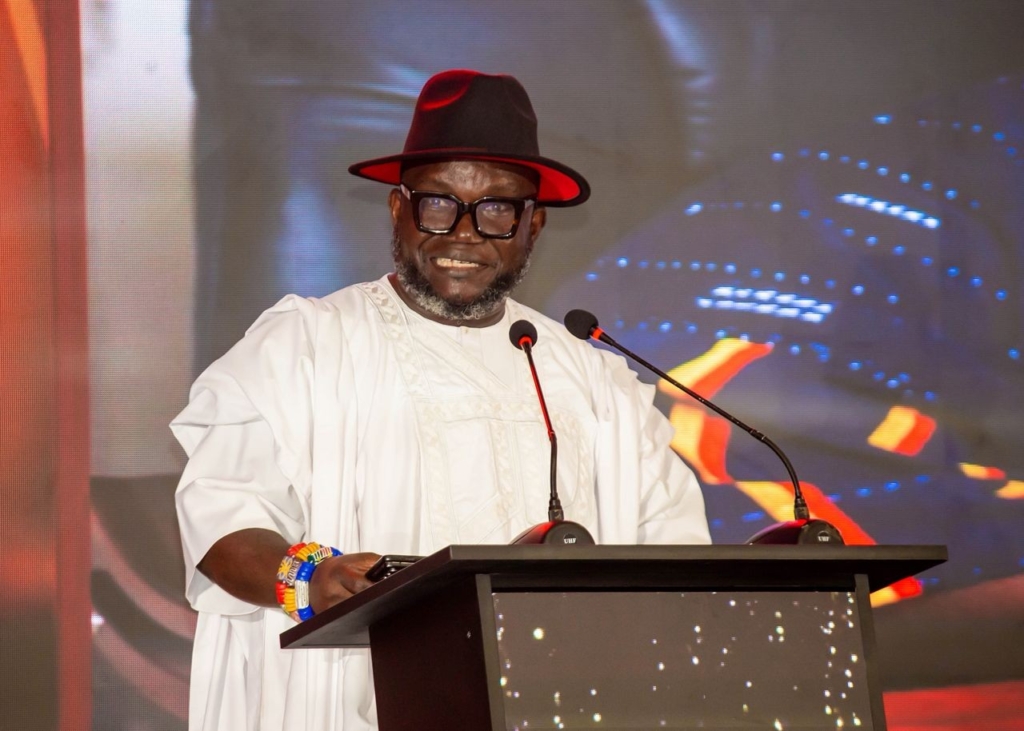
Speaking at the ceremony, Ali Seddiki, Director-General of the Moroccan Investment and Export Development Agency (AMDIE), said the initiative builds on Morocco’s transformation into a continental industrial leader.
"The Royal Vision is now to build a sovereign, performing, and competitive National Defence and Security Industrial and Technological Base," he underlined.
Mr Seddiki said the roadmap would enable Moroccan manufacturers to meet 40% of the Royal Armed Forces' and security agencies' equipment needs.
At full operational capacity, the industry is projected to generate at least $5.5 billion (50 billion Moroccan dirhams) in annual revenue, with more than 65% expected to come from exports.
The initiative is also expected to create nearly 50,000 direct and indirect jobs by 2035.
As part of the roadmap, Morocco will establish a dedicated strategic institution, the Defence Industry Facilitation and Acceleration Agency (DIFAA).
The agency will oversee the development of military manufacturing, focusing on drones and autonomous systems, land and naval systems, defence electronics, cyber defence and artificial intelligence.
It will also promote investment, manage support mechanisms and strengthen the country's industrial and technological capabilities.
The initiative will prioritise human capital development through specialised training and the establishment of a national research and development ecosystem.
It will also harness the expertise of Moroccans living abroad to support the country's industrial ambitions.
Mr Seddiki said the roadmap aligns with Morocco’s broader economic objective of increasing private investment to two-thirds of total national investment by 2035.
The first framework agreement focuses on financing the implementation of the defence and security industry roadmap.
The second seeks to mobilise private businesses, banks, capital market institutions and investment funds to support its implementation.
Senior government officials, financial sector executives, and representatives of key industrial and investment institutions signed the agreements.
The initiative forms part of Morocco’s broader strategy to reduce dependence on foreign military equipment, strengthen domestic manufacturing and position the Kingdom as a competitive player in the global defence and security industry.
- defence
- industry
- morocco
- security
- investment
- roadmap
- agreement
- development