Ebola: N10bn emergency fund to cover Lassa fever, other diseases – NCDC DG
According to Mr Idris, several of the measures required to control the diseases are similar, including surveillance, diagnosis, screening and monitoring at points of entry.
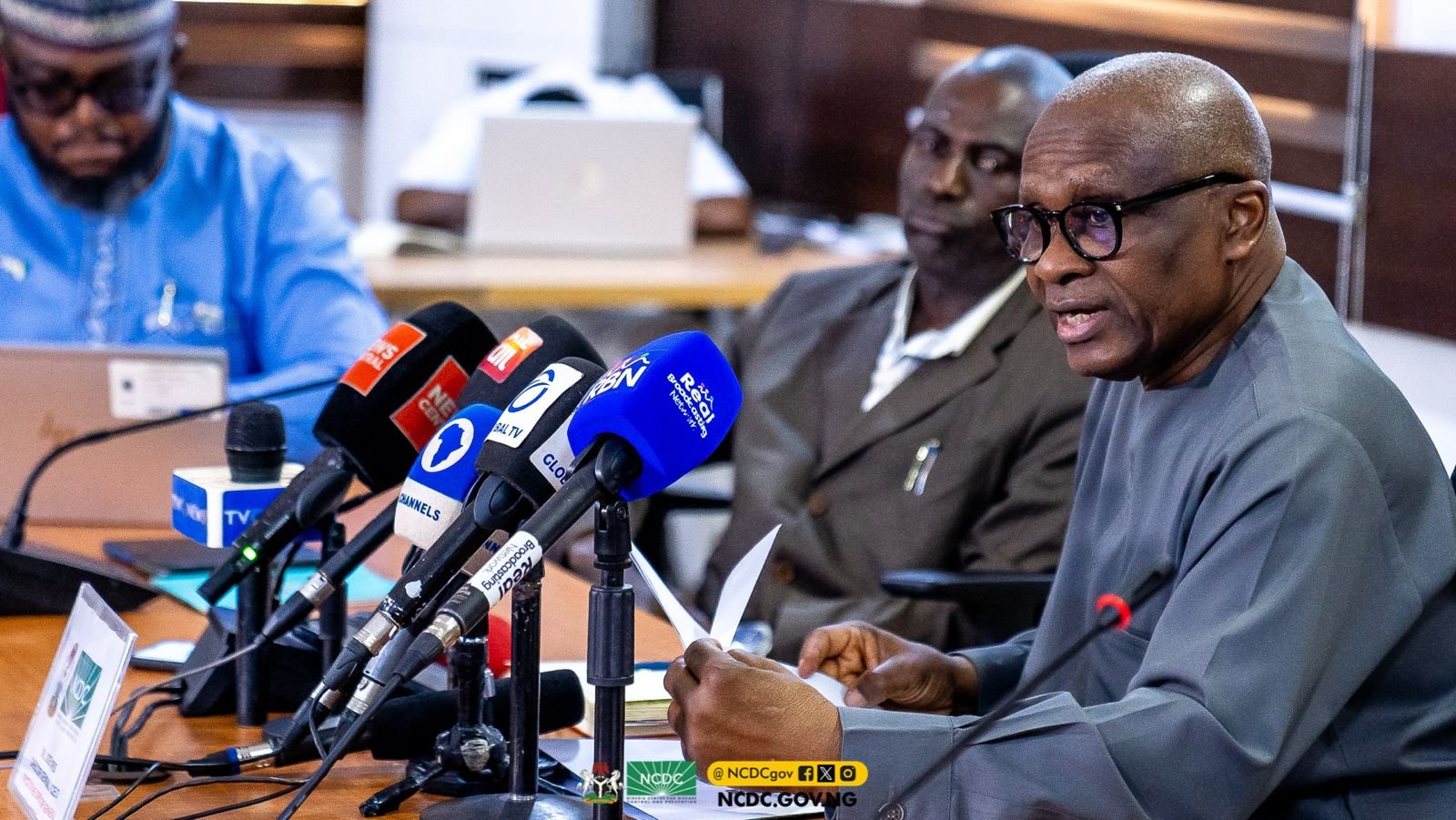
Director-General of NCDC, Jide Idris
The Director-General of the Nigeria Centre for Disease Control and Prevention (NCDC), Jide Idris, has clarified that the N10 billion emergency intervention fund approved by the federal government was not meant solely for Ebola response.
Mr Idris said the funding was requested to strengthen Nigeria’s preparedness and response to Ebola as well as other endemic diseases, including Lassa fever.
He spoke on Monday during an interview on Channels Television’s Politics Today, amid questions over the utilisation of the N10 billion approved by President Bola Tinubu for public health preparedness.
“The money was requested not only for Ebola, but to address issues of control of other endemic diseases,” Mr Idris said.
“Right now, Lassa fever season is coming. Lassa fever and Ebola are the same class of viruses, just like yellow fever and dengue fever.”
According to Mr Idris, several of the measures required to control the diseases are similar, including surveillance, diagnosis, screening and monitoring at points of entry.
“Leadership, diagnostics, screening, surveillance issues, point of entry, all those funny things. They are the same thing, and that was the request initially,” he said.
The clarification came amid questions over the utilisation of the N10 billion intervention fund approved by the federal government.
Mr Idris said the Ebola outbreak subsequently increased the need to deploy the intervention funding to strengthen preparedness and response activities.
He listed the purchase of personal protective equipment, laboratory supplies, fuel and other operational needs among the areas requiring funding
He said the response involves eight pillars, including coordination and leadership, surveillance and laboratory diagnosis.
On surveillance, he said public health officials need funding to conduct contact tracing and collect data, while laboratories require equipment, reagents and other consumables to conduct tests.
“Treatment isolation centres all over the country, there are some that are just broken down. We need to fix it so that it will be ready, including the one in Abuja,” he added.
President Tinubu approved the N10 billion funding in June, when he also established a Presidential Task Force on Ebola Virus Disease Preparedness and Emerging Public Health Threats.
The State House said at the time that the funding would strengthen NCDC’s operational preparedness and support critical national public health emergency response activities.
The approval came months before Nigeria confirmed its first imported Ebola case on 20 October.
The NCDC boss said the country currently has no active positive Ebola case following the medical evacuation of the index patient to Switzerland.
However, he cautioned that Nigeria is not yet “out of the woods” because health authorities are still monitoring contacts and investigating possible secondary contacts.
As of Monday, he said 54 primary contacts had been identified, including an Uber driver who transported the index patient to her first hospital.
- ebola
- emergency
- fund
- lassa
- fever
- disease
- ncdc
- idris