business

IERPP demands full account of 24-hour economy spending
IERPP demands full account of 24-hour economy spending

The Institute of Economic Research and Public Policy (IERPP) is demanding that the government publish a comprehensive financing and implementation report on the 24-Hour Economy programme, detailing funds disbursed, expenditure incurred and projects completed. Speaking at a news conference in Accra on Tuesday, October 27, he questioned the difference between the GH¢90 million allocation in the detailed expenditure tables of the 2026 Budget and the GH¢110 million cited in the Budget Speech.

The Institute of Economic Research and Public Policy (IERPP) is demanding that the government publish a comprehensive financing and implementation report on the 24-Hour Economy programme, detailing funds disbursed, expenditure incurred and projects completed.

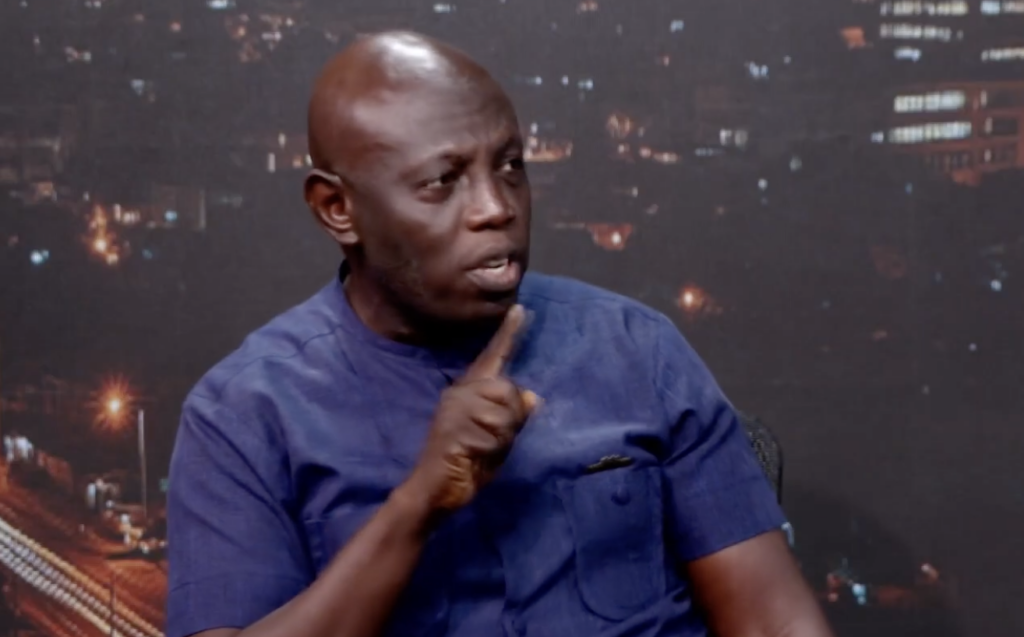
The institute’s Executive Director, Prof. Isaac Boadi, says the government must account for its financial commitments and demonstrate measurable results from the flagship programme.

Speaking at a news conference in Accra on Tuesday, October 27, he questioned the difference between the GH¢90 million allocation in the detailed expenditure tables of the 2026 Budget and the GH¢110 million cited in the Budget Speech.

“The Budget does not even agree with itself,” Prof. Boadi said.

The detailed expenditure tables allocate GH¢70 million for goods and services and GH¢20 million for capital expenditure under the 24H+ Economy line, bringing the total to GH¢90 million. The Budget Speech, however, states that GH¢110 million has been allocated for the programme.

Prof. Boadi is calling on the government to reconcile the figures and disclose the actual amounts released and spent, as well as the results achieved.

“An allocation is not a release, and a release is not expenditure,” he said.

IERPP is also demanding a comprehensive account of the programme’s financing and implementation to enable the public to track how resources are being used and assess progress.

The Ministry of Finance previously described the GH¢110 million as a facilitating allocation, rather than the full funding for the programme, with additional financing expected from private investors and development partners. However, the explanation does not, on its own, resolve the difference between the two figures in the budget documents.

The institute is urging the government to make the relevant financial and implementation information public to strengthen transparency and accountability.

  • ierpp
  • economy
  • programme
  • expenditure
  • budget
  • account
  • hour
  • government

Summaries and tags are generated automatically. Stay informed with VidiaNews.

Related news

New Economy raises questions over delivery of 24-hour economy – IPPA
business

New Economy raises questions over delivery of 24-hour economy – IPPA

The Institute of Public Policy and Accountability (IPPA) has questioned the government’s proposed $10 billion New Economy programme, demanding clarity on how it differs from the 24-Hour Economy initiative announced earlier as a major driver of job creation and economic transformation. IPPA said the 2026 Budget provided for total expenditure of GH¢302.46 billion, including GH¢57.53 billion in capital expenditure, and committed GH¢30 billion to the flagship Big Push infrastructure programme.

Read →
Ghana’s 2027 Budget: Three important policy questions about the New Economy
business

Ghana’s 2027 Budget: Three important policy questions about the New Economy

Introduction On November 12, 2026, Ghana’s Minister for Finance, Dr. Cassiel Ato Forson, is expected to present the 2027 Budget, which the government is promoting as the beginning of a New Economy. The critical question is whether the forthcoming budget will deliver an increase of this magnitude or whether the New Economy will largely incorporate projects already included under the Big Push Infrastructure Programme, the 24-Hour Economy initiative and other existing commitments.

Read →
2027 Budget faces 3 economic policy challenges about the ‘New Economy’ – US-based economist
business

2027 Budget faces 3 economic policy challenges about the ‘New Economy’ – US-based economist

An Assistant Professor at Niagara University in New York, Dr Dennis Nsafoah, has raised three important economic policy questions about the government-touted ‘New Economy’, saying the questions deserve careful consideration ahead of the budget presentation. However, Dr. Nsafoah pointed out that its success will depend on whether the government channels the additional fiscal space into genuinely productive investment, finances the resulting deficit without undermining private-sector credit, and reconciles its growth ambitions with Ghana Accelerated National Reserve Accumulation Policy’s…

Read →
2027 Budget must answer 3 key questions on the ‘New Economy’ – US-based economist
business

2027 Budget must answer 3 key questions on the ‘New Economy’ – US-based economist

An Assistant Professor at Niagara University in New York, Dr Dennis Nsafoah, has raised three important economic policy questions about the government-touted ‘New Economy’, saying the questions deserve careful consideration ahead of the budget presentation. On November 12, 2026, Ghana’s Minister for Finance, Dr. Cassiel Ato Forson, is expected to present the 2027 Budget, which the government is promoting as the beginning of a New Economy.

Read →
No new loans for $13bn New Economy Programme – Ato Forson
business

No new loans for $13bn New Economy Programme – Ato Forson

The government plans to mobilise at least US$13 billion for its New Economy Programme over four years without contracting additional loans, Finance Minister Dr Cassiel Ato Forson has said. The Minister also dismissed suggestions that the Ghana Gold Board (GoldBod) generates revenue for the Finance Ministry or the government, explaining that the state’s main revenue sources remain direct taxes, indirect taxes and non-tax revenue.

Read →