'Like cutting up a Picasso': AI microdrama edit of Neighbours worries actors and crew

A micro-drama will use AI-assisted technology to edit old episodes of the Australian TV soap to focus on Margot Robbie's character.
Former Neighbours actors and crew have raised concerns about plans to use AI to help re-edit old footage and make mini episodes for mobile phone viewers.
Fremantle, producer of the now-defunct Australian TV soap opera, has partnered with US-based RoseBerry Media for the project that will use AI to "scan decades of episodes" to help make short vertical videos.
Footage of Margot Robbie, who played Donna Freedman from 2008 to 2011, will be the initial focus of the micro-drama.
Both companies say the move will bring the show - which aired its final episode last year - to new audiences. But some actors and crew say they have not consented to their images, voice or work to be re-purposed.
Robbie has yet to respond publicly. The BBC has contacted her agency for comment.
In a statement, the companies behind the project said the AI-assisted technology will "scan decades of episodes to map character arcs, storylines and standout moments, helping editors quickly identify the strongest material".
The micro-drama episodes will use "original, previously broadcast footage, dialogue and performances", according to Fremantle spokesman.
"It does not generate new scenes or performances, alter actors' faces or likenesses, or use synthetic voices," he said, adding that a human editor would be "reviewing and approving every stage of the editing process".
The mini episodes will likely feature Matt Werkmeister, 34, who joined the set of Neighbours in 2005 when he was 13 years old. He played a regular character, Zeke Kinski and shared many scenes with Robbie's character.
Now a Melbourne-based producer and director, Werkmeister says he hasn't been approached by the companies behind the micro-drama and is concerned what the episodes will feature.
"If they're creating a new micro-drama out of something that already exists, I feel there needs to be consent for using our image and voice as well as the writers," he said.
Robbie is "obviously a big draw card" and "it's nice to watch old clips from shows you used to watch," Werkmeister said, but when he signed his contract two decades ago, "streaming didn't even exist as a platform" so he's unsure of what his rights are.
That uncertainty is also at the forefront of Sam Clark's mind. He played Ringo Brown on Neighbours from 2006 to 2010, a character who later marries Robbie's fictional character.
Speaking from Los Angeles, Clark – now working as a producer and voice actor - said he hadn't heard about the micro-drama until a friend sent him an article.
"I don't have a negative view of the work that we did all those years ago getting a second life as long as it's not being manipulated into new storylines," Clark, 39, said.
"AI and social media obviously wasn't a thing when I signed my contract 20 years ago so I'm still trying to understand exactly what those parameters are."
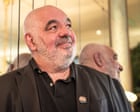
Sound recordist Bruce Findlay, 68, has worked in the TV industry for close to five decades and Neighbours has a "special place" in his heart, having worked on the show from episode one.
Using AI to help make short episodes from old footage was "like cutting up a Picasso and rebuilding it".
"We worked so hard to get this product out… and now they're chopping it up into little tiny pieces, throwing it up in the air and putting it back together again using AI - it belittles the process".
Guy Hameiri, head of RoseBerry Media, said the project is the first time the company will use its in-house AI tool to sift through Neighbours footage - there are more than 9,300 episodes - to make "premium vertical television".
The project will "reimagine" the material, giving it "new audiences, new relevance and new value," he said.
The head of Fremantle's commercial and international arm, Jens Richter, has called the project "an exciting example of how technology and creative thinking can unlock new value" from their catalogue.
It's understood that Fremantle is in discussions with two unions on the issue and that residuals - ongoing payments for actors and writers when their work is re-aired or syndicated - will be paid, but this does not apply to crew.
The Media, Entertainment and Arts Alliance, one of the unions, confirmed the talks.
"Workers should be consulted before their likeness or expertise is used in a way they could never had envisioned when they signed contracts decades ago," said MEAA's acting CEO Adam Portelli.
Farewell (again) to Neighbours, Australia's longest running soap opera
- microdrama
- edit
- neighbours
- crew
- picasso
- actor
- micro
- drama