No new Ghana Cards required under biometric verification law – NIA
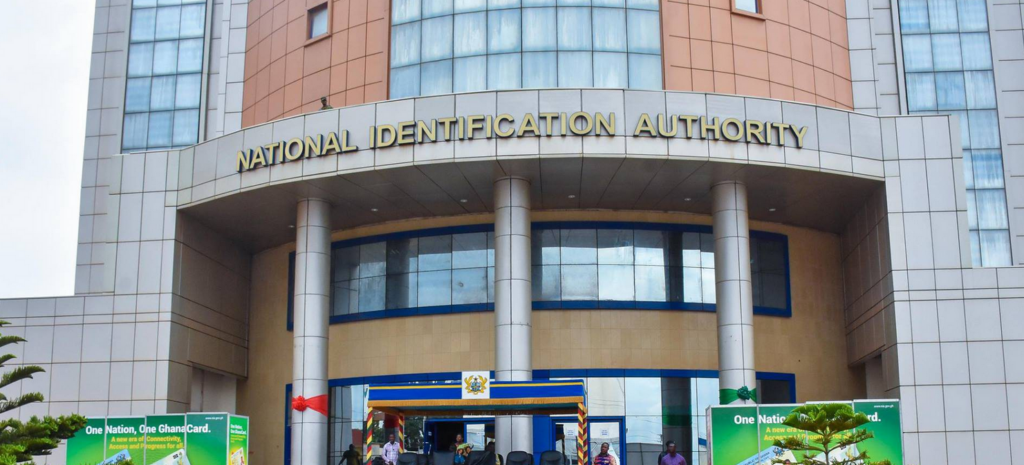
The National Identification Authority (NIA) has assured Ghanaians that implementing the National Identity Register Amendment Regulation, 2026 (L.I. 2523), does not require new Ghana Cards or fresh biometric registration. Institutions connected to the NIA’s verification platform through an Application Programming Interface (API) could also verify customers using their Ghana Card numbers, he said.
The National Identification Authority (NIA) has assured Ghanaians that implementing the National Identity Register Amendment Regulation, 2026 (L.I. 2523), does not require new Ghana Cards or fresh biometric registration.
Mr Williams Ampomah Emmanuel Darlas, Head of the NIA Corporate Affairs Directorate, said the regulation only changed how institutions and individuals verified identities, making biometric verification mandatory instead of relying solely on visual inspection of the cards.
He said the existing Ghana Card remained the country’s official national identity document and would continue to be used for transactions requiring identity verification.
Speaking at a press conference in Accra on Monday, Mr Darlas said the regulation sought to strengthen identity security, prevent impersonation and identity fraud, and protect personal information.
He explained that biometric verification would rely on information captured during the initial registration, including fingerprints, iris details and facial features stored on the card’s embedded chip.
He stressed that cardholders were not required to register their biometrics again or replace their existing cards.
Cards issued in 2018, for instance, would remain valid until 2028, in accordance with the 10-year validity period, he said.
The Authority would announce renewal arrangements when necessary, with measures being considered to prevent long queues, he added.
Mr Darlas also clarified that the prohibition on photocopying, scanning and visually inspecting the Ghana Card did not prevent individuals from presenting their physical cards for biometric verification.
He said telecommunications companies and some banks used a process known as match-on-card verification, which required customers to present their physical cards so their fingerprints could be matched against biometric information stored on the chip.
“That is allowed. That is biometric verification, and that can only be done when you present the physical Ghana Card,” he said.
Institutions connected to the NIA’s verification platform through an Application Programming Interface (API) could also verify customers using their Ghana Card numbers, he said.
However, such institutions would violate the regulation if they subsequently relied on visual inspection, photocopying or scanning of the cards for identity verification.
Mr Darlas said L.I. 2523 also applied to individuals under Regulations 9A and 9B, requiring biometric verification when conducting transactions with others where identity confirmation was necessary.
He cited land transactions as an example, explaining that individuals could no longer rely solely on inspecting the Ghana Cards of parties involved to establish their identities.
To facilitate compliance among individuals and small businesses without access to the NIA’s verification platform, the Authority had developed a mobile application.
The application would enable users to confirm identities through a simple yes-or-no response without disclosing cardholders’ personal information, he said.
He assured the public that measures had been put in place to protect information accessed through the application.
Mr Darlas urged institutions and individuals to seek clarification from the NIA whenever they were uncertain about the application of the regulation.
He also advised the public to report institutions that violated the regulation through the Biometric Verification Implementation Task Force hotline, 030-2999-309.
The NIA would continue public education to ensure Ghanaians understood the new requirements and were not unnecessarily alarmed, he said.
- verification
- ghana
- nia
- card
- identity
- cards
- regulation
- individual


