GMA calls for nationwide expansion of electronic bed management system to end ‘No Bed Syndrome’

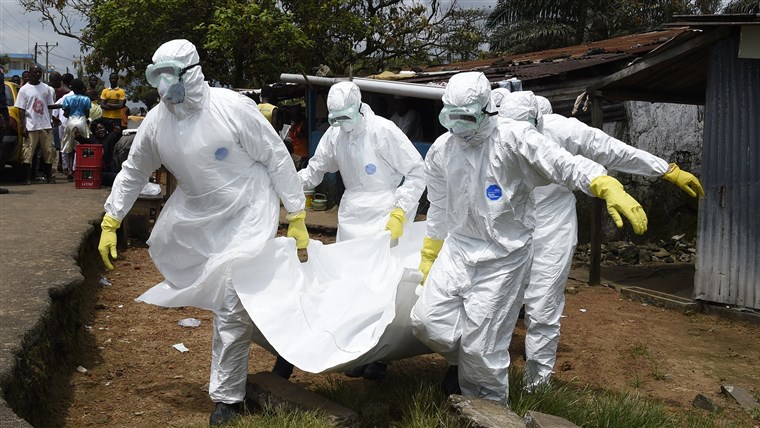
The Ghana Medical Association (GMA) has called for reforms to Ghana’s emergency healthcare system, including the nationwide expansion of the electronic hospital bed management system, to address the persistent problem of patients being turned away from hospitals because of a lack of available beds. Beyond the challenges facing emergency healthcare, the Association has urged the government to strengthen Ghana’s preparedness against Ebola virus disease following the detection of the Bundibugyo strain in neighbouring Nigeria.
The Ghana Medical Association (GMA) has called for reforms to Ghana’s emergency healthcare system, including the nationwide expansion of the electronic hospital bed management system, to address the persistent problem of patients being turned away from hospitals because of a lack of available beds.
The Association says the current pilot of the electronic bed management system must be extended to all health facilities, supported by dedicated hospital bed management teams with the authority to coordinate patient transfers and ensure the efficient use of available beds.
It also wants the government to introduce a sustainable financing arrangement for emergency healthcare, expand hospital bed capacity, strengthen ambulance services, and equip district hospitals to improve access to timely emergency medical care.
Speaking at a press conference marking the close of its 68th Annual General Conference, GMA President, Professor Ernest Yorke, acknowledged efforts by the Ministry of Health to address the No Bed Syndrome but insisted that isolated interventions would not provide a lasting solution.
He said Ghana needed a coordinated emergency healthcare system that ensured patients could access medical attention, receive initial treatment and be transferred to appropriate health facilities without financial barriers.
“While the GMA acknowledges some commendable efforts by the Ministry of Health to mitigate the No Bed Syndrome, there's a need to move from fragmented interventions to a coordinated reform that directs every medical patient: how care is accessed, stabilised and transferred appropriately without any financial barriers,” he said.
To address the challenges confronting emergency healthcare delivery, Professor Yorke outlined seven major interventions the Association believes are necessary to establish an effective emergency response system.
The first is the expansion of the ongoing national electronic hospital bed management system, with the establishment of hospital bed management teams that have clearly defined responsibilities and the authority to coordinate patient movement.
The Association also wants all health facilities to expand their bed capacity and introduce spillover arrangements to accommodate patients when existing facilities reach capacity.
It further called for the implementation of multidisciplinary, hospital-wide patient flow strategies to ensure that patients are directed to the appropriate departments and facilities without unnecessary delays.
On financing, the GMA proposed a dedicated and sustainable funding mechanism for emergency care to guarantee that patients receive the full range of services they need, including ambulance transfers, regardless of their financial circumstances.
The Association also wants the government to strengthen pre-hospital and emergency care services, particularly ambulance operations, while improving the training of emergency medical technicians.
Other recommendations include providing district and other hospitals with essential emergency equipment and diagnostic facilities, as well as investing in continuous training and orientation for healthcare workers.
Professor Yorke said that staff attitudes must also be addressed through fair accountability measures, particularly in cases involving poor treatment of patients.
Beyond the challenges facing emergency healthcare, the Association has urged the government to strengthen Ghana’s preparedness against Ebola virus disease following the detection of the Bundibugyo strain in neighbouring Nigeria.
Professor Yorke warned that the development posed a serious public health concern and required Ghana to intensify its surveillance and emergency response measures.
He commended the Ministry of Health and the Ghana Health Service for their initial efforts to sensitise health workers and the public, as well as strengthen surveillance at the country's points of entry.
However, he said more needed to be done to prepare the country for a possible outbreak.
“The threats of Ebola virus disease, in particular the Bundibugyo strain, which has spread rapidly in Central and East Africa with very high mortality, is now imminent with the detection of the virus in our sister country, Nigeria,” he said.
The GMA is calling for intensified public education, the designation of quarantine and isolation facilities, improved case management preparedness and stronger disease surveillance within communities.
It has also urged the government to proactively allocate funds to support the country's response in the event of an outbreak, warning against waiting until cases are detected before mobilising resources.
The Association has also advised the public to maintain good personal hygiene and adopt preventive measures to reduce the risk of infection.
These include regular handwashing with soap under running water, using alcohol-based hand sanitisers and avoiding physical contact with infected persons, dead bodies and potentially contaminated objects.
The GMA further urged people experiencing symptoms associated with Ebola to seek immediate medical attention at the nearest public health facility.
The symptoms include high fever, headache, muscle pain, sore throat, general weakness, vomiting, and unexplained bleeding from any part of the body.
It also encouraged the public to promptly alert health authorities about anyone in their communities displaying similar symptoms to ensure early assessment and an appropriate public health response.
- bed
- system
- management
- emergency
- gma
- hospital
- health
- patient