2027 Budget: Why COP31 climate negotiations should matter to Ghana

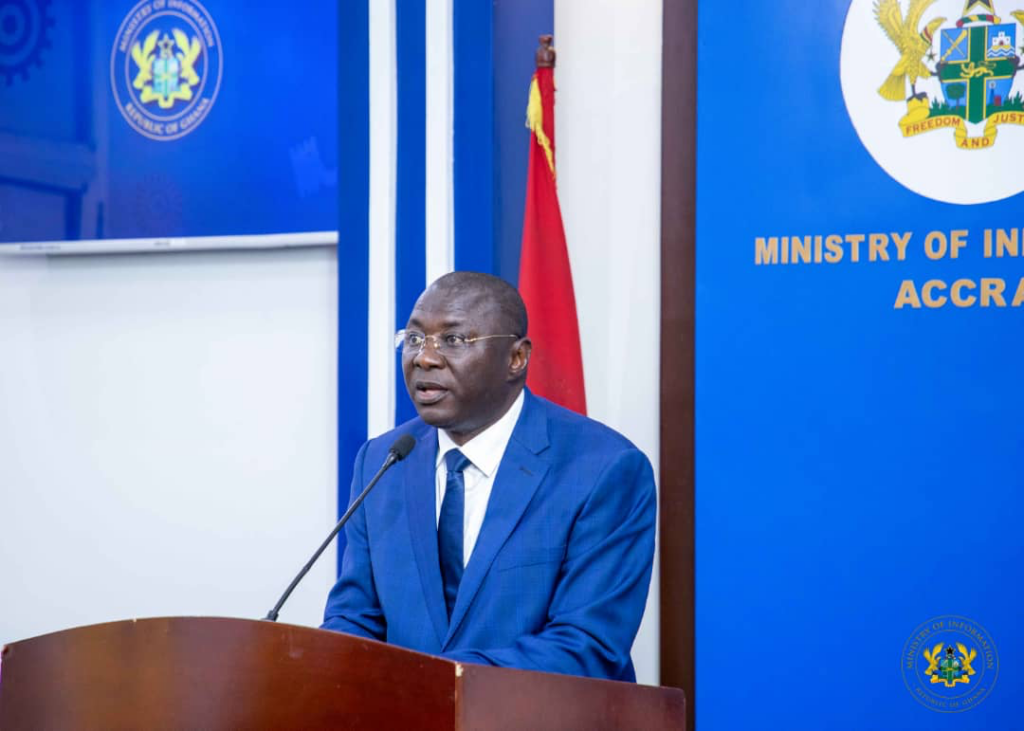
At the ongoing UN Climate Change Conference (COP31) in Antalya, Türkiye, the African Group of Negotiators (AGN), chaired by Ghana’s Nana Dr. Antwi-Boasiako Amoah, is pushing for greater access to climate finance to enable vulnerable economies to implement their climate action plans. Climate finance commitments under scrutiny Addressing a press conference on Africa’s position at COP31, AGN Chair Nana Dr. Antwi-Boasiako Amoah said developed countries had no excuse to renege on their climate finance commitments.
Climate finance is no longer just an environmental funding issue. It is increasingly a fiscal, economic development, and national security concern, with direct implications for government expenditure, public debt, and Ghana's long-term development prospects.
The growing threat of extreme weather events, including the risks associated with El Niño, poses significant challenges to vulnerable economies such as Ghana.
Flooding destroys public infrastructure, often requiring unplanned government expenditure on reconstruction and rehabilitation. Droughts and irregular rainfall patterns undermine agricultural productivity, threaten food supplies and increase pressure on household incomes.
Ghana's Financial Stability Review warns that flood-related losses could reach approximately US$200 million annually by 2050, while the IMF's 2026 assessment also highlights risks to cocoa production and rain-fed cereal yields.
These climate-related disruptions have far-reaching consequences for household incomes, export earnings, food security and government finances.
As Ghana prepares its 2027 national budget, the availability of international climate finance could significantly influence how much the country can invest in flood protection, agricultural resilience, the energy transition, coastal protection and disaster preparedness without placing additional pressure on public debt.
The central question, therefore, is whether Ghana's national budget will adequately account for the growing cost of climate change and identify credible financing sources to meet that cost.
At the ongoing UN Climate Change Conference (COP31) in Antalya, Türkiye, the African Group of Negotiators (AGN), chaired by Ghana's Nana Dr. Antwi-Boasiako Amoah, is pushing for greater access to climate finance to enable vulnerable economies to implement their climate action plans.
For Ghana, the stakes are particularly high. If developed countries reduce bilateral climate assistance or redirect development funding, countries such as Ghana could face increased competition for concessional financing. The government may consequently have to rely more heavily on domestic borrowing or commercial financing to fund critical climate-related infrastructure.
One of Africa's major interests at COP31 is whether the international community can translate its climate finance commitments into accessible, predictable and affordable funding for countries on the frontlines of climate change.
Climate finance commitments under scrutiny
Addressing a press conference on Africa's position at COP31, AGN Chair Nana Dr. Antwi-Boasiako Amoah said developed countries had no excuse to renege on their climate finance commitments.
He stressed the importance of advanced economies honouring their obligations under the United Nations Framework Convention on Climate Change (UNFCCC) to provide climate finance, as agreed in previous negotiations.
“We need to be very clear about this process; it’s about they asking what you are doing in your country to address climate change. The [developing] countries have their national plans and policies. The countries have done nothing wrong in those historical emissions.
“It’s not that we don’t know that our countries must do something, but we are reminding them that they have an obligation that they have to honour… The excuses are that there is no money, but our understanding is that there is money, but there is no money for climate, because they can get money for military interventions overnight, they can get money for energy security overnight, why can’t they get money for climate? It’s because climate is not their priority,” he emphasized.
The African Group has indicated that it will push for a tripling of adaptation finance and the replenishment of the Green Climate Fund (GCF), arguing that vulnerable countries need substantially greater resources to strengthen resilience and implement their climate commitments.
Ghana's President, John Dramani Mahama, has also been named the Green Climate Fund Replenishment Champion for the Fund's third replenishment cycle. In this role, he is expected to help mobilise resources and build political support for replenishing the Fund to finance climate action in developing countries.
For Ghana, this presents an opportunity to leverage its leadership role in the international climate finance conversation to advance its national development priorities.
“As Ghanaians, it presents a very clear, clean opportunity for us to take advantage of climate financing to scale up development in Ghana,” said Seidu Issifu, the Minister of State in charge of Climate Change and Sustainability.
He believes COP31 presents a different opportunity for Ghana, particularly in moving beyond commitments towards tangible implementation.
“We're saying that in this conference, we want to stop talking. We want to translate pledges into action, deliverable action that can drive sustainability, that can drive climate action for us, that can build resilience for our communities. So what are we looking for? We're looking for scale-up climate funding to support our economic development,” he stated.
Ghana has an estimated US$53.3 billion climate financing ambition over the next decade to implement its climate action plans. Mobilising these resources will require a credible financing framework that brings together international climate finance, domestic revenue, private sector investment and innovative financing mechanisms.
The challenge is not simply identifying the resources required but establishing how these funds can be mobilised, accessed and deployed to deliver measurable development outcomes.
For the government, the 2027 budget offers an opportunity to demonstrate how climate considerations are being integrated into national economic planning and public expenditure.
Investments in climate-resilient infrastructure, sustainable agriculture, renewable energy, coastal protection and disaster preparedness should not be treated as isolated environmental interventions. They are essential investments in economic stability, livelihoods, food security and the country's long-term fiscal sustainability.
The climate negotiations in Antalya, therefore, have direct implications for decisions being made in Accra.
As Ghana prepares its 2027 budget, the outcome of COP31 and subsequent climate finance negotiations should inform the country's fiscal priorities, financing strategy and development planning.
Ultimately, the test of climate diplomacy will not be the number of pledges announced at international conferences, but whether those commitments translate into accessible resources that help countries such as Ghana protect their economies, strengthen resilience and secure sustainable development.
- climate
- ghana
- country
- finance
- budget
- money
- change
- government