COP31: Nigeria ranks third among countries with highest registered participants at UN climate conference
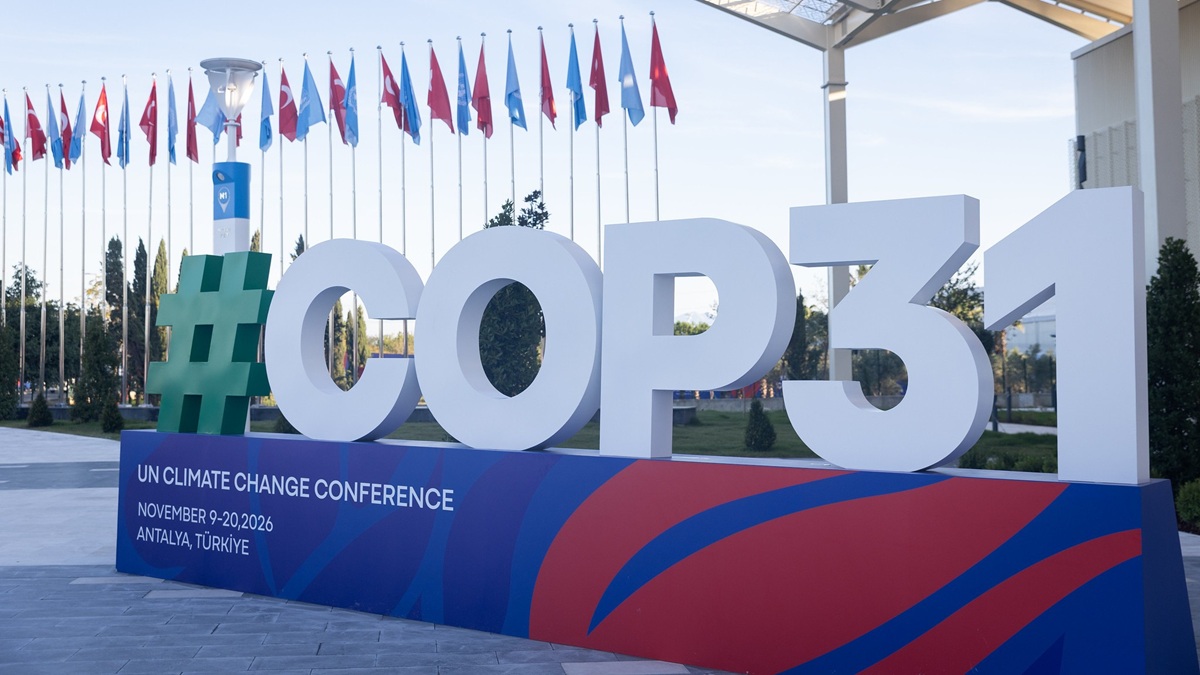
Nigeria’s emergence as the third-largest national delegation at the ongoing climate conference in Turkey has renewed questions about government spending on international conferences, particularly as millions of Nigerians continue to grapple with economic hardships.
Nigeria ranks third among countries with the most registered participants at the ongoing 31st session of the United Nations Climate Change Conference (COP31) in Turkey, with 1,506 delegates, according to provisional figures released for the summit.
Of this number, 573 participants were registered under the “Party” badge category, while 933 received “Party Overflow” badges.
The distinction between the two categories at UNFCCC conferences largely relates to participants’ formal status within national delegations and their roles in the negotiation process.
Participants with Party badges are generally designated government delegates. They comprise official negotiators, diplomats and other personnel directly appointed by a state party or observer state to represent their countries.
They are typically members of their countries’ official delegations and may participate actively in negotiations, take the floor and make interventions on behalf of their governments, subject to the rules governing the different negotiation sessions.
Party badges are usually pink, with the participant’s country indicated.
In contrast, Party Overflow badges are issued to additional participants registered through national governments but who are not necessarily part of the core negotiating delegation.
They may include advisers, researchers, business representatives, youth representatives and other experts associated with a country’s broader delegation.
Although registered through their respective governments, Party Overflow badge holders do not automatically enjoy the same negotiating privileges as official delegates.
Their access to negotiation spaces and sessions depends on accreditation rules and available capacity. They may, however, attend open sessions, visit national pavilions and participate in other conference activities.
The UNFCCC registration system tracks the two categories separately.
Nigeria’s emergence as the third-largest national delegation at the ongoing climate conference in Turkey has renewed questions about government spending on international conferences, particularly as millions of Nigerians continue to grapple with economic hardships.
A similar situation occurred at COP28 in Dubai in 2023, when Nigeria was among the countries with the highest number of registered participants, recording 1,411 delegates.
The country also ranked joint third behind the host country, the United Arab Emirates, and Brazil.
At the time, the Nigerian government said only 422 registered participants were government-funded.
The government has consistently maintained that not all participants registered under Nigeria’s delegation are state-sponsored, noting that the list also includes civil society representatives, businesspeople, researchers, and other stakeholders attending in different capacities.
However, the Nigerian government’s focal points at these conferences have yet to provide a comprehensive breakdown of how many participants’ trips are funded with public resources.
This lack of disclosure raises concerns about transparency and accountability in managing Nigeria’s participation in international climate negotiations.
It also limits public understanding of who represents the country in various negotiation groups and technical sessions, as well as who is responsible for advancing Nigeria’s positions on critical climate issues.
Some observers have also expressed concerns that Nigeria’s participation in these conferences sometimes goes beyond diplomatic engagement, with some registered participants allegedly treating the meetings as opportunities for international travel rather than meaningful negotiations.
They argue that inadequate technical knowledge, negotiating experience and understanding of diplomatic processes among some participants could undermine Nigeria’s ability to secure favourable outcomes from the annual climate negotiations.
With 92,934 participants registered, COP31 is provisionally the largest UN climate conference in history, surpassing COP28 in Dubai, which recorded more than 80,000 participants.
The provisional figure is based on participants registered to attend the summit in person. The United Nations Framework Convention on Climate Change (UNFCCC) releases the final attendance figures after the conference, based on participants who collect physical accreditation badges at the venue.
An analysis by Carbon Brief compares the provisional attendance figures for COP31 with final participant totals from previous climate conferences, dating back to COP1 in Berlin in 1995.
The UNFCCC participant lists are categorised according to the different groups and organisations represented at the summit. The largest category at COP31 comprises delegates representing parties, including nation-states and the European Union, that have ratified the convention and participate fully in climate negotiations.
This category accounts for 18,812 registered participants, making it the second-largest party delegation total recorded at a COP, after COP28.
Unsurprisingly, host country Turkey has the largest delegation at COP31, with 2,950 registered participants.
Brazil follows with 1,994 delegates, while Nigeria ranks third with 1,506 participants. China and Indonesia rank fourth and fifth, with 1,021 and 978 delegates, respectively.
Other countries in the top 10 are Australia (835), Uganda (627), Italy (607), Japan (588) and Kazakhstan (557).
The United Kingdom ranks considerably lower, with 255 registered participants.
At the other end of the list, North Korea has the smallest delegation, with just two participants, followed by Eritrea and Nicaragua with three each. San Marino and Trinidad and Tobago have four registered participants apiece.
However, the figures require some qualification. Some countries, including Brazil, allocate portions of their party badges to non-governmental organisations (NGOs), a practice that can bloat the size of their official delegations.
The provisional figures also indicate that male participants account for 59 per cent of party delegations, compared with 41 per cent for women.
According to Carbon Brief’s analysis, COP31 has a slightly less balanced gender representation than the previous two climate conferences.
Nevertheless, the figures broadly reflect a longer-term trend towards more balanced representation of men and women in national delegations attending UN climate negotiations.
- conference
- nigeria
- climate
- country
- participant
- emergence
- delegation
- turkey