African climate groups call for equitable transition away from fossil fuels at COP31

African civil society organisations under the Pan African Climate Justice Alliance (PACJA) have called for a just, orderly and equitable global transition away from fossil fuels, as conversations about the roadmap for transitioning away from fossil fuels take shape at COP31. “The roadmap should recognise that Africa’s energy transition must support broader structural economic transformation and must address the structural constraints that prevent African countries from pushing an ambitious and development-compatible energy transition,” said Dr Mithika Mwenda.
African civil society organisations under the Pan African Climate Justice Alliance (PACJA) have called for a just, orderly and equitable global transition away from fossil fuels, as conversations about the roadmap for transitioning away from fossil fuels take shape at COP31.
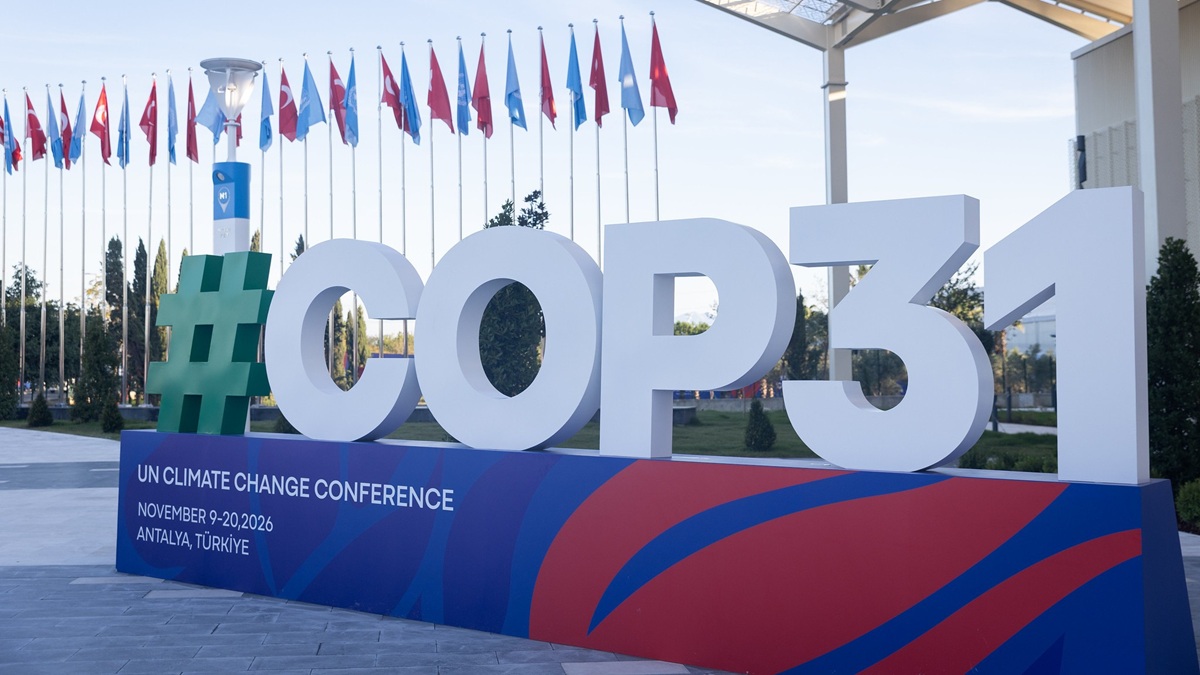
The call was echoed during the High-level Dialogue on the COP30 Presidency Roadmap for transitioning away from fossil fuels at COP31 in Antalya, Türkiye.
Speaking during the dialogue, the Executive Director of PACJA, Dr Mithika Mwenda, reiterated that the success of the global transition should not be measured uniquely by the reduction or the retirement of fossil fuel infrastructure, but also by its contribution to energy access, economic transformation and sustainable development.
The roadmap on transitioning away from fossil fuels was established at COP30, held in Belém, Brazil, last year, with the central principle that a just, orderly and equitable transition must stimulate development, expand access to affordable modern energy, protect workers and communities, and reflect different national development circumstances.
Countries do not need to follow identical pathways to move toward the same climate objective.
President of Brazil, Luiz Inácio Lula da Silva, at the leaders' summit at COP30 said that “the world needs a clear roadmap to end its dependence on fossil fuels.”
Dr Mithika Mwenda emphasised that developed countries should take the lead in reducing fossil-fuel dependency, given their historical responsibilities for greenhouse gas emissions and greater financial and technological capabilities.
"The roadmap should recognise that Africa's energy transition must support broader structural economic transformation and must address the structural constraints that prevent African countries from pushing an ambitious and development-compatible energy transition," said Dr Mithika Mwenda.
Connecting to the main theme of the meeting, the UN Secretary-General, Antonio Gutteres, reiterated the need for a global transition away from fossil fuels, driven by economic, security and climate imperatives.
He stressed that the world must accelerate its transition from fossil fuels to clean energy to achieve climate goals limiting global temperatures to 1.5 degrees Celsius, build more secure economies and reduce vulnerability to price shocks. He insisted that the fossil fuels transition is no longer optional but a critical necessity.
The Executive Secretary of the UNFCCC, Simon Stiell, shared hope that the COP30 presidency for transitioning away from fossil fuels will help to identify barriers and areas requiring enhanced international cooperation, which would position it as “a vital tool to accelerate the delivery of clean energy goals and building on past climate initiatives.”
He added that “a country that lacks grids needs different support than one whose economy depends heavily on oil and gas revenues. Developed countries, development banks and other partners must coordinate finance, technology and capacity building around those priorities".
In his remarks, André Corrêa do Lago, the COP30 president, shared the intent to develop and launch two critical roadmaps to support the implementation of decisions from the Paris Agreement’s Global Stocktake (GST), describing them as critical tools for fighting climate change.
He said the main objective of the two Roadmaps was to support the implementation of consensus decisions from the Paris Agreement's GST.
- transition
- climate
- fuel
- roadmap
- fossil
- energy
- development
- country