Bowen pushes pragmatic climate deal amid pressure over fossil fuels
Chris Bowen says Australia's coal and gas exports have not damaged its standing in climate negotiations, as countries struggle to agree on how to move away from fossil fuels.
Chris Bowen has rejected criticism of Australia’s climate leadership over its continued coal and gas exports.
The climate change and energy minister says countries must be realistic about the transition to cleaner energy.
Negotiations at COP31 will intensify next week as Australia seeks agreement on electrification and climate finance.
Climate Change Minister Chris Bowen has defended Australia's credibility as a global climate negotiator and signalled a pragmatic approach to securing a deal at COP31 amid pressure for a stronger international commitment to move away from fossil fuels.
Mr Bowen has questioned why the Coalition sought to diminish Australia's role on the world stage and singled out Opposition Leader Angus Taylor for attacking expenses introduced during his own time as minister.
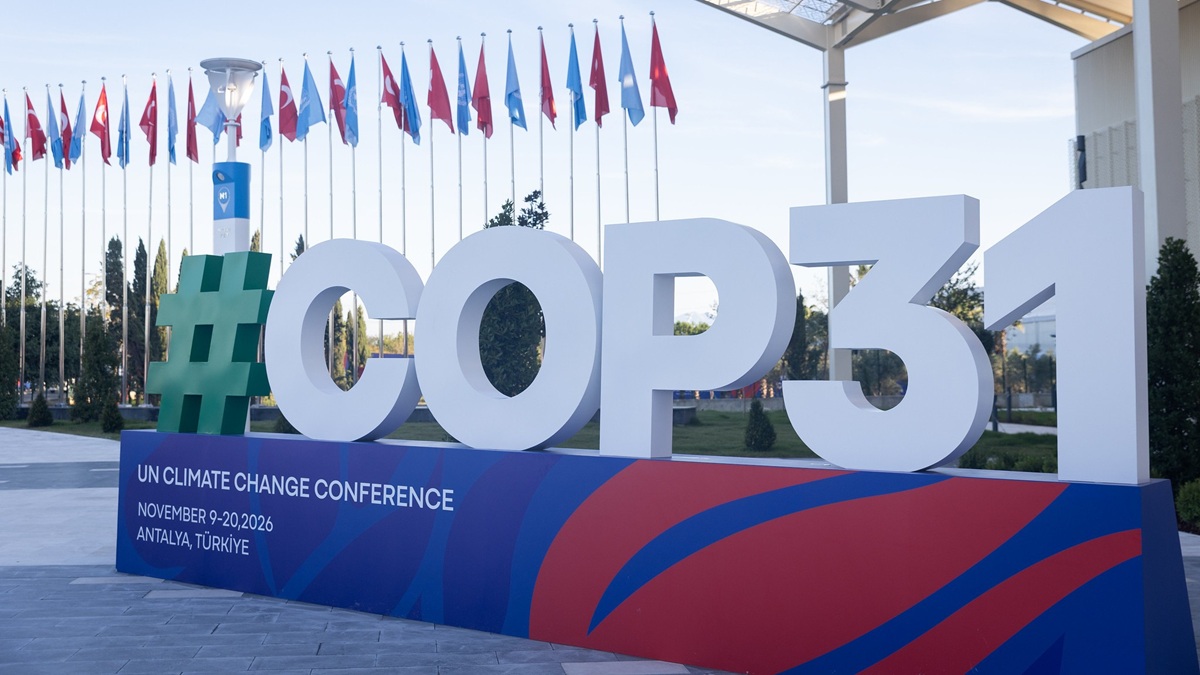
"Does he want one lump of hypocrisy or two with his coffee?" Mr Bowen told the ABC in an interview on the sidelines of COP31 in Türkiye.
Australia holds the presidency of negotiations at the summit, putting Mr Bowen at the centre of efforts to secure agreement between more than 190 countries on the next steps to tackle climate change.
"My job is to steer consensus to the most ambitious outcome that consensus will allow," he said.
That task has become more complicated as momentum builds behind a renewed push for a plan to transition away from fossil fuels.
Despite efforts by Brazil and others to advance work on a global road map for moving away from coal, oil and gas, the COP31 agenda remains predominantly focused on electrification, adaptation and climate finance.
Mr Bowen described the fossil fuels transition as a "challenging issue" and noted the failure to get consensus on fossil fuels at last year's COP showed the enthusiasm of some governments was no guarantee of a collective agreement.
He said there was "good spirit" around the negotiations at this year's summit before adding there was a "long way to go", with talks to ramp up next week.
Mr Bowen also drew a connection between the road-map push and Australia's efforts to accelerate global electrification, arguing that reducing the use of fossil fuels would depend heavily on replacing them with electricity.
Australia's role at COP31 has brought with it scrutiny of the nation's continued expansion of coal and gas production, with environment campaigners arguing the country's domestic policies undermine its climate credibility.
Speaking overnight at the summit, activist Greta Thunberg said even a "snail" would agree Australia was moving too slow on climate action.
But Mr Bowen emphatically rejected suggestions that Australia's role as a major fossil fuel exporter had damaged its standing in the negotiations.
He said other governments understood the practical challenges of reducing dependence on fossil fuels, including their continued reliance on Australian exports.
Mr Bowen said the argument Australia's exports undermined its leadership on climate was not one that "survives contact with reality in a COP negotiation".
Prime Minister Anthony Albanese also defended the government's approach, arguing resource companies contributed substantial tax revenue used to fund public services.
Asked why he did not directly reference fossil fuels in his speech at the opening of the COP31 leaders summit, Mr Albanese said "you could pick out any number of things" that were not in the short address.
Australia is championing a commitment to increase electricity's share of global energy consumption from about 23 per cent to 35 per cent by 2035.
But the proposal has attracted criticism because it does not explicitly require the additional electricity to come from renewable sources.
Mr Bowen said linking electrification exclusively to clean energy would be difficult to achieve.
He said analysis showed electrification could still deliver significant emissions reductions in countries with fossil-fuel-dependent grids, pointing to the greater efficiency of electric vehicles compared with petrol cars.
Mr Bowen said he intended to take a pragmatic approach, recognising the different stages countries had reached in expanding renewable energy.
"Does every bit of electrification need to be linked to renewables? Well, some people would say that's a very hard ask," he said.
He also said the oil crisis sparked by war in the Middle East had strengthened the case for electrification, including among countries that did not regard emissions reduction as their highest priority.
While countries debate the pace of the global energy transition, Pacific leaders are demanding greater financial support to protect communities already confronting rising seas, extreme weather and damage to agriculture.
Palau President Surangel Whipps Jr said vulnerable island nations should not be forced to take on more debt to repair damage caused by climate change.
"It doesn't make any sense for me that we're island nations in a canoe and get run over by a massive ship, and then that ship owner is telling you, 'Hey, we'll give you a loan to help repair your ship,'" he said.
The Palau leader strongly defended Australia's involvement in the summit, arguing smaller Pacific nations needed influential partners to amplify their concerns.
"By ourselves, the small islands, sometimes we are not heard," he said.
Speaking in Sydney on Thursday, Mr Taylor criticised Labor for spending "tens of millions of dollars of taxpayer money" on COP31 instead of focusing on "getting electricity prices down" in Australia.
Earlier this week he said in "normal" circumstances the prime minister should go overseas but argued this was not the time.
Mr Taylor said the cost spent on COP, including the $32,000 coffee cart at Australia's pavilion at the summit was "nonsense".
Mr Albanese said Australia's involvement was also a matter of national security, arguing that closer cooperation with Pacific nations served the country's broader strategic interests.
Mr Bowen was more pointed in his assessment of the Coalition's criticism, accusing the opposition of failing to appreciate the importance of Australia's regional influence.
"If you're arguing that Australia shouldn't have good climate policy and shouldn't lead a COP, you're arguing for Australia not to be influential in the Pacific," he said.
Mr Bowen questioned why the Coalition was so critical of Australia's participation when previous governments had sent substantial delegations to the annual talks, including when Mr Taylor was energy minister.
- bowen
- climate
- deal
- pressure
- fuel
- chris
- australia
- coal