‘Facilities provided to government school students in Karnataka must be better than those in private schools’

Health Minister U.T. Khader directs officials to reject substandard uniforms, bags and footwear; calls for better hostel facilities and school infrastructure
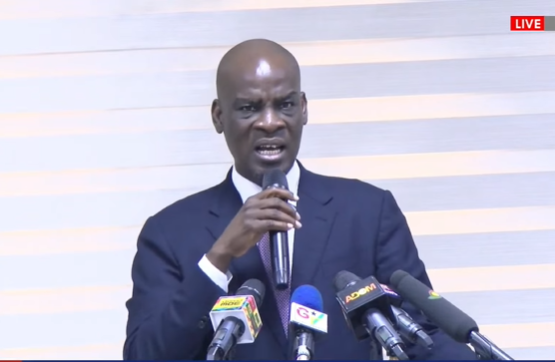
Health and Family Welfare and Minority Welfare Minister U.T. Khader addressing a review meeting of the Health and Minority Welfare departments at the zilla panchayat office in Bidar on November 22, 2026.
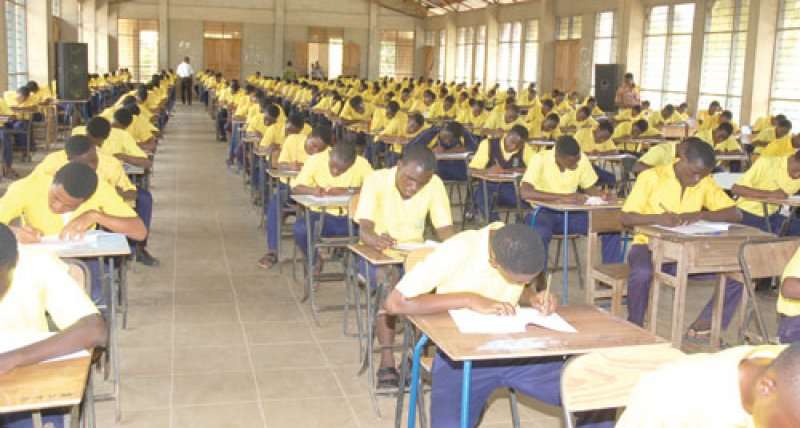
Health and Family Welfare and Minority Welfare, Haj and Wakf Minister U.T. Khader directed officials to ensure that there is no compromise in the quality of facilities and materials provided to students in government schools and hostels in Karnataka.
Presiding over a review meeting of the Health and Family Welfare and Minority Welfare, Haj and Wakf departments at the zilla panchayat office in Bidar on November 22, he said that the quality of mid-day meals, uniforms, school bags and footwear supplied to students must be strictly monitored. Materials that were substandard or did not meet the required measurements should not be distributed to children and must be returned immediately, he said.
The Minister directed principals to attend schools punctually and ensure that students receive facilities better than those available in private schools. Given the low enrolment in the district, he said priority should be given to filling vacant seats in existing Maulana Azad residential schools and improving the quality of education rather than seeking approval for new schools.
He called for 10 days of training for physical education teachers and directed them to identify talented students in kabaddi, kho-kho, football and cricket without yielding to any influence. “District-level and State-level teams should be formed on merit. Every school should have Scouts and Guides units. Residential school students’ bands should present guard-of-honour whenever dignitaries visit the district,” he said.
“From the next academic year, AI-enabled CCTV cameras would be installed in all hostels and schools to monitor wardens’ attendance and kitchen cleanliness. Officials should address staff shortage by introducing an eight-hour shift system and recruiting additional personnel. Pending scholarship applications and documents should be cleared in co-ordination with the department’s headquarters,” he added.
Reviewing the functioning of government hospitals and primary health centres, Mr. Khader said that although there was no shortage of nurses in some hospitals, a few faced a shortage of ambulance drivers. “Officials should make alternative arrangements through outsourcing or by deploying Group D staff to ensure the smooth operation of ambulance services,” he said.
He reviewed outpatient, inpatient and maternity services at the taluk hospitals in Basavakalyan, Humnabad, Bhalki and Aurad, as well as at the mother and child health (MCH) hospitals.
He directed officials to address the shortage of physicians so that high-risk cases arriving at night or during emergencies could be managed locally. He called for providing high-dependency unit (HDU) and paediatric ICU facilities.
Bidar MP Sagar E. Khandre, Karnataka Fisheries Development Corporation chairperson Mala B. Narayan Rao, and MLA Rahim Khan were among those present in the meeting.
- school
- facility
- government
- karnataka
- student
- health
- minister
- khader