education

Premature BECE candidates face two-year ban from re-sitting exam
Premature BECE candidates face two-year ban from re-sitting exam

Mr Iddrisu announced the policy at the opening of the 2026 National Education Week in Accra, held on the theme: “Harnessing Artificial Intelligence (AI) for Inclusive and Transformative Education in Ghana.” Mr Andy Brooks, UNICEF Country Representative to Ghana, urged the Government to prioritise learning outcomes, teacher empowerment, and educational equity when adopting AI in education.

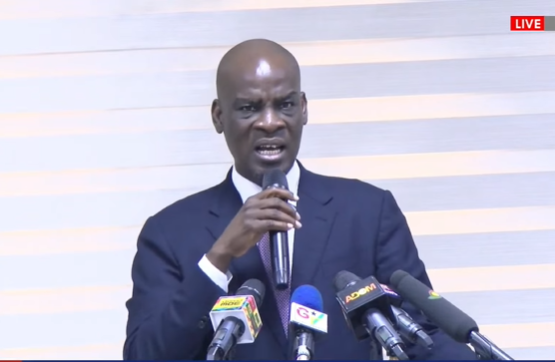
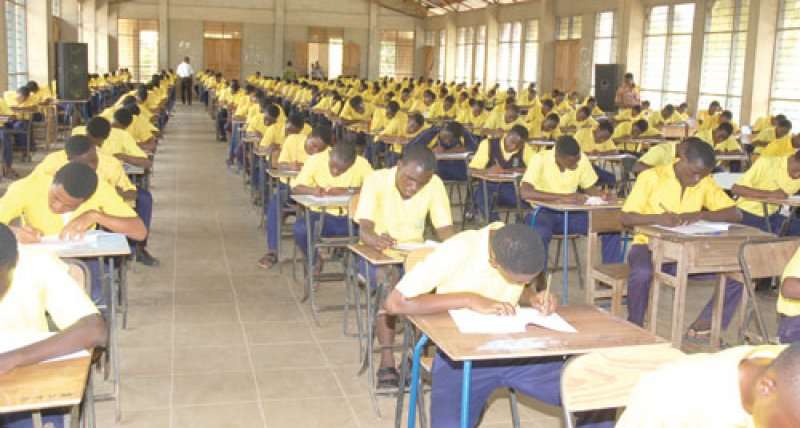
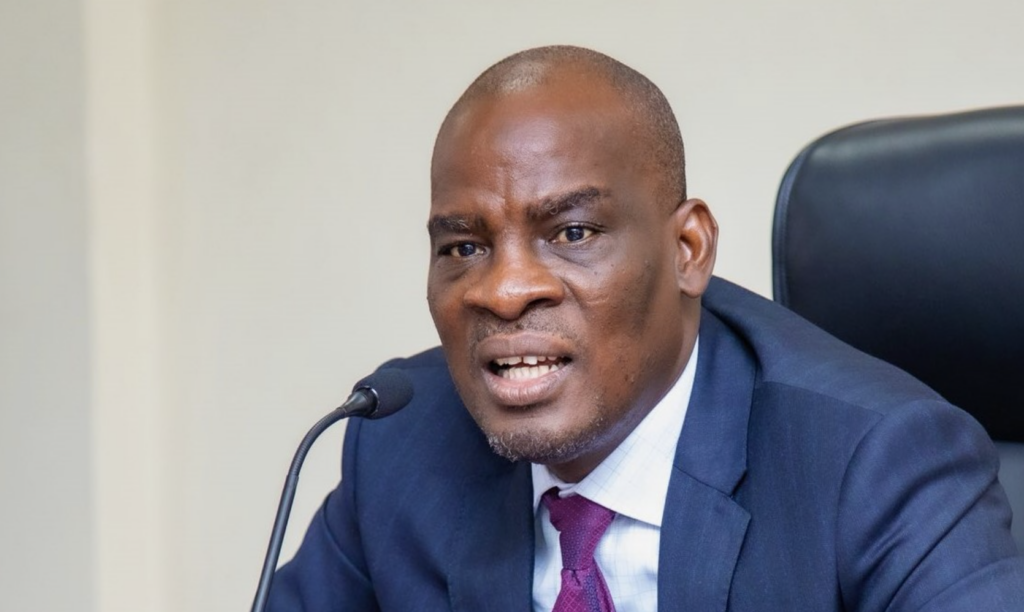
Form One and Two students who register early for the Basic Education Certificate Examination (BECE) will be barred from re-sitting the exam for two years, Haruna Iddrisu, Minister of Education, announced.

The measure aims to promote discipline, ensure fairness, and improve education planning by enabling authorities to determine how many pupils are expected to complete basic education each year.

Mr Iddrisu announced the policy at the opening of the 2026 National Education Week in Accra, held on the theme: “Harnessing Artificial Intelligence (AI) for Inclusive and Transformative Education in Ghana.”

He said Ghana was seeking to harness AI to improve learning outcomes, expand access to quality education and develop human capital capable of competing in an evolving global technological environment.

The Minister said AI should complement, not replace, teachers' work and strengthen teaching and learning outcomes.

He called for the ethical, responsible use of AI to maximise its benefits without undermining students’ critical thinking, creativity, and problem-solving skills.

Mr Iddrisu said the growing influence of AI and automation presented both opportunities and challenges for the education sector, requiring deliberate policies to equip learners with skills relevant to the future world of work.

He said the Government was committed to addressing infrastructure deficits to ensure that digital technology did not widen existing educational inequalities.

Citing UNESCO data, the Minister said only about 15 per cent of primary schools and 14 per cent of senior high schools in Ghana had internet connectivity for teaching and learning.

He said expanding internet access and digital infrastructure was essential to ensuring that learners across the country benefited from emerging technologies.

On infrastructure development, Mr Iddrisu said the Government was preparing to commence procurement processes for the construction of 10 model schools.

He said the initiative would also upgrade 20 Category C schools to Category B status and 10 Category B schools to Category A status.

The Minister cautioned students against misusing AI, warning that overreliance on the technology could weaken independent thinking and encourage intellectual complacency.

He said Ghana must ensure AI supports the development of knowledgeable, creative, and competent graduates rather than providing shortcuts that undermine educational standards.

Mr Iddrisu urged academics, researchers and other stakeholders to develop a roadmap for a digital education policy, with particular emphasis on AI integration.

He also said the 2026 Budget Statement provided for the recruitment of teaching and non-teaching staff, including personnel for the higher education sector.

The recruitment exercise is expected to create about 10,000 jobs across the education sector.

Mrs Bernice Mpere-Gyekye, National Coordinator of the Ghana National Education Coalition Campaign, called on the Government to establish a clear and accountable policy framework to guide the integration of AI into the country’s education system.

Mr Andy Brooks, UNICEF Country Representative to Ghana, urged the Government to prioritise learning outcomes, teacher empowerment, and educational equity when adopting AI in education.

  • education
  • ghana
  • iddrisu
  • school
  • bece
  • exam
  • minister
  • policy

Summaries and tags are generated automatically. Stay informed with VidiaNews.

Related news

Education Minister warns AI could breed lazy learners, calls for digital education policy
education

Education Minister warns AI could breed lazy learners, calls for digital education policy

The Minister for Education, Haruna Iddrisu, has cautioned against the misuse of artificial intelligence (AI) in schools, warning that excessive dependence on the technology could encourage intellectual laziness among learners and undermine their ability to think independently. Addressing participants at the 2026 National Education Week and Evidence Summit in Accra, Mr Iddrisu said the government was committed to harnessing technology to improve educational outcomes, but would not support an approach that undermined the role of teachers in the classroom.

Read →
Early BECE candidates to face two-year examination ban – Education Minister
education

Early BECE candidates to face two-year examination ban – Education Minister

The Minister for Education, Haruna Iddrisu, has directed the Ghana Education Service (GES) to impose a two-year examination ban on pupils who attempt to sit the Basic Education Certificate Examination (BECE) before their designated examination year. Mr Iddrisu issued the instruction at the launch of the 2026 National Education Week, held at the Ghana Tertiary Education Commission (GTEC), where he outlined measures intended to strengthen discipline, improve educational administration and promote fairness within the country’s basic education system.

Read →
Allowing children to write BECE early defeats 9-year basic education policy – Nortsu-Kotoe
education

Allowing children to write BECE early defeats 9-year basic education policy – Nortsu-Kotoe

Chairman of Parliament’s Education Committee, Peter Kwasi Nortsu-Kotoe, has defended the requirement for candidates to complete nine years of basic education before writing the Basic Education Certificate Examination (BECE), arguing that allowing pupils to sit the examination earlier undermines the country’s education policy. Speaking on Joy FM’s Top Story on Monday, Mr Nortsu-Kotoe said allowing children to write the BECE after spending fewer years in basic school could defeat the purpose of the nine-year basic education structure.

Read →
Regular JHS pupils must complete three years before BECE – WAEC
education

Regular JHS pupils must complete three years before BECE – WAEC

Regular Junior High School (JHS) pupils must complete all three years of the programme before sitting the Basic Education Certificate Examination (BECE), the West African Examinations Council (WAEC) has reiterated. In April 2026, Education Minister Haruna Iddrisu announced plans to restrict the examination to students in JHS 3, arguing that allowing younger students to sit the examination contravened existing GES and WAEC guidelines.

Read →
Secondary education must transform to prepare 330 million young Africans for work — Report
education

Secondary education must transform to prepare 330 million young Africans for work — Report

Secondary education systems across Africa must undergo fundamental transformation to equip a surging youth population with practical skills for work, livelihoods, and lifelong learning, a new report launched in Accra has warned. Unveiled on Tuesday, November 24, 2026, by the Mastercard Foundation, the second phase of its Secondary Education in Africa report—titled Expanding Pathways to Work, Livelihoods, and Lifelong Learning-notes that secondary schooling is the final stage of formal education for most young Africans and governments’ last opportunity to reach the future workforce at scale.

Read →
Haruna backs GTEC’s nationwide audit of PhD programmes
health

Haruna backs GTEC’s nationwide audit of PhD programmes

Education Minister Haruna Iddrisu has thrown his weight behind the Ghana Tertiary Education Commission’s (GTEC) nationwide assessment of PhD programmes, insisting that the exercise is necessary to safeguard academic standards and the credibility of doctoral qualifications awarded in the country. Mr Iddrisu made the remarks at the 2026 National Education Week and Evidence Summit in Accra on Monday, November 23, amid public criticism of GTEC Director-General, Professor Ahmed Abdulai Jinapor, over the audit and the suspension of new admissions to PhD programmes.

Read →