Nigerian children: Millions still face barriers to education, protection
The challenge came into focus on Friday as the United Nations Children’s Fund (UNICEF) and the Lagos State Government marked the 2026 World Children’s Day, calling for stronger protection of children’s rights and concrete government action to secure their future. UNICEF Chief of Field Office, Lagos, Celine Lafoucriere, warned that children’s rights were increasingly under threat globally, stressing that governments and other stakeholders must do more to guarantee access to education, healthcare, good nutrition, clean water, sanitation and social protection.
…Demand free education, stronger safeguards, greater voice in decisions By Chioma Obinna For millions of Nigerian children, the promise of a safe childhood, quality education and a future shaped by their dreams remains a daily struggle. From access to basic education and healthcare to protection from abuse and poverty, the gap between children’s rights and their lived realities continues to raise concerns about the country’s commitment to its youngest population.
The challenge came into focus on Friday as the United Nations Children’s Fund (UNICEF) and the Lagos State Government marked the 2026 World Children’s Day, calling for stronger protection of children’s rights and concrete government action to secure their future. At the celebration, held at the UNICEF Lagos Office under the theme, “My Day. My Rights.
My Future,” children demanded free education, greater protection and a stronger voice in decisions affecting their lives. UNICEF Chief of Field Office, Lagos, Celine Lafoucriere, warned that children’s rights were increasingly under threat globally, stressing that governments and other stakeholders must do more to guarantee access to education, healthcare, good nutrition, clean water, sanitation and social protection.
“Children’s rights are under pressure, they’re under threat, they’re being increasingly threatened throughout the world,” she said. She noted that recognising children’s rights was not enough if families and communities lacked the resources to make those rights meaningful. Lafoucriere explained that social protection programmes were essential to helping vulnerable children access basic services, particularly education, healthcare and adequate nutrition.
“Having a right is one thing, but it’s not going to put food on the table,” she said. She stressed that UNICEF was working with the Lagos State Government to ensure that children’s rights were respected and accessible to every child, particularly those from vulnerable backgrounds. “The child is the future, and the future of Nigeria is today,” she declared, urging society to recognise that investment in children could not be postponed.
Children want more than promises Beyond the concerns raised by development partners and government officials, the celebration provided an opportunity for children to articulate their expectations of those responsible for protecting their rights. The Speaker of the Lagos State Children’s Parliament, Rt. Hon. Abdulsalam Anjola, called for greater involvement of children in decisions affecting their welfare, insisting that their experiences and opinions must count when policies concerning them are formulated.
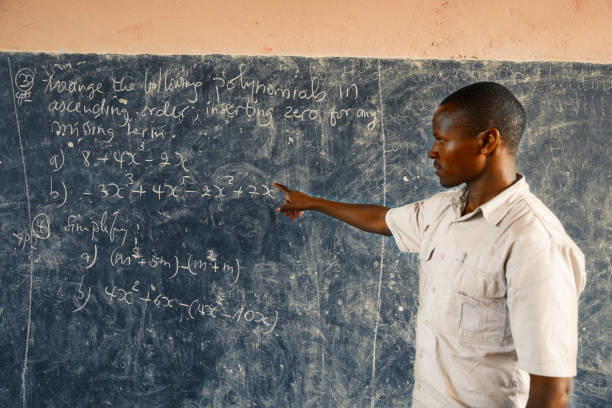
He said children were often better positioned to explain the challenges they faced, particularly cases of abuse and other threats to their safety. Anjola also urged the government to increase investment in education and create opportunities for children who were out of school. “Education is the weapon that can instigate war,” he said, calling for effective implementation of education policies to ensure that every child had access to opportunities to realise their potential.
His appeal highlighted the need to move beyond policy declarations to practical interventions that would keep children in school and provide them with the skills and opportunities required to build meaningful futures. A 14-year-old student of Ikeja Senior High School, Ishola Moyinoluwa, also called for stronger protection of children’s rights, particularly access to basic and free education.
She said every child deserved an opportunity to be heard, educated and equipped to pursue their dreams. Using her artwork depicting a young boy aspiring to become an astronaut, Moyinoluwa illustrated how children’s ambitions could become achievable when parents provided guidance and the government created the necessary opportunities. She urged parents to guide their children educationally, morally and socially, while calling on the government to establish platforms where young people could express their views on issues affecting their rights and future.
Government promises action The Lagos State Commissioner for Youth and Social Development, Mr Mobolaji Ogunlende, acknowledged that protecting and promoting children’s welfare required collective responsibility involving government, parents, schools, communities and development partners. He said the government remained committed to creating an environment where every child felt safe, valued and heard.
“We must translate what we hear today into meaningful action and commitment,” Ogunlende said. He assured the children that their concerns and contributions during the celebration would not end with the event but would inform policies and practical interventions. The Permanent Secretary of the ministry, Pharm. (Mrs.) Toyin Oke-Osanyintolu, encouraged children to speak out whenever their rights were threatened and urged them to remain confident in their aspirations.
“If you can dream it, you can do it,” she
- child
- education
- protection
- right
- government
- future
- children
- opportunity