HIV Advocate Warns Donor Funding Cuts Threaten Treatment Gains Ahead of World AIDS Day
KISUMU, Kenya Nov 29 – A community health advocate living with HIV has warned that donor funding cuts are disrupting essential services, putting decades of progress in the fight against the virus at risk. Speaking at Nyalenda in Kisumu, where he runs the Nelson Mandela TBHIV Information Community-Based Organisation (CBO), Okioma said the disruptions were making it increasingly difficult for vulnerable patients to access treatment and other critical health services.
KISUMU, Kenya Nov 29 – A community health advocate living with HIV has warned that donor funding cuts are disrupting essential services, putting decades of progress in the fight against the virus at risk.
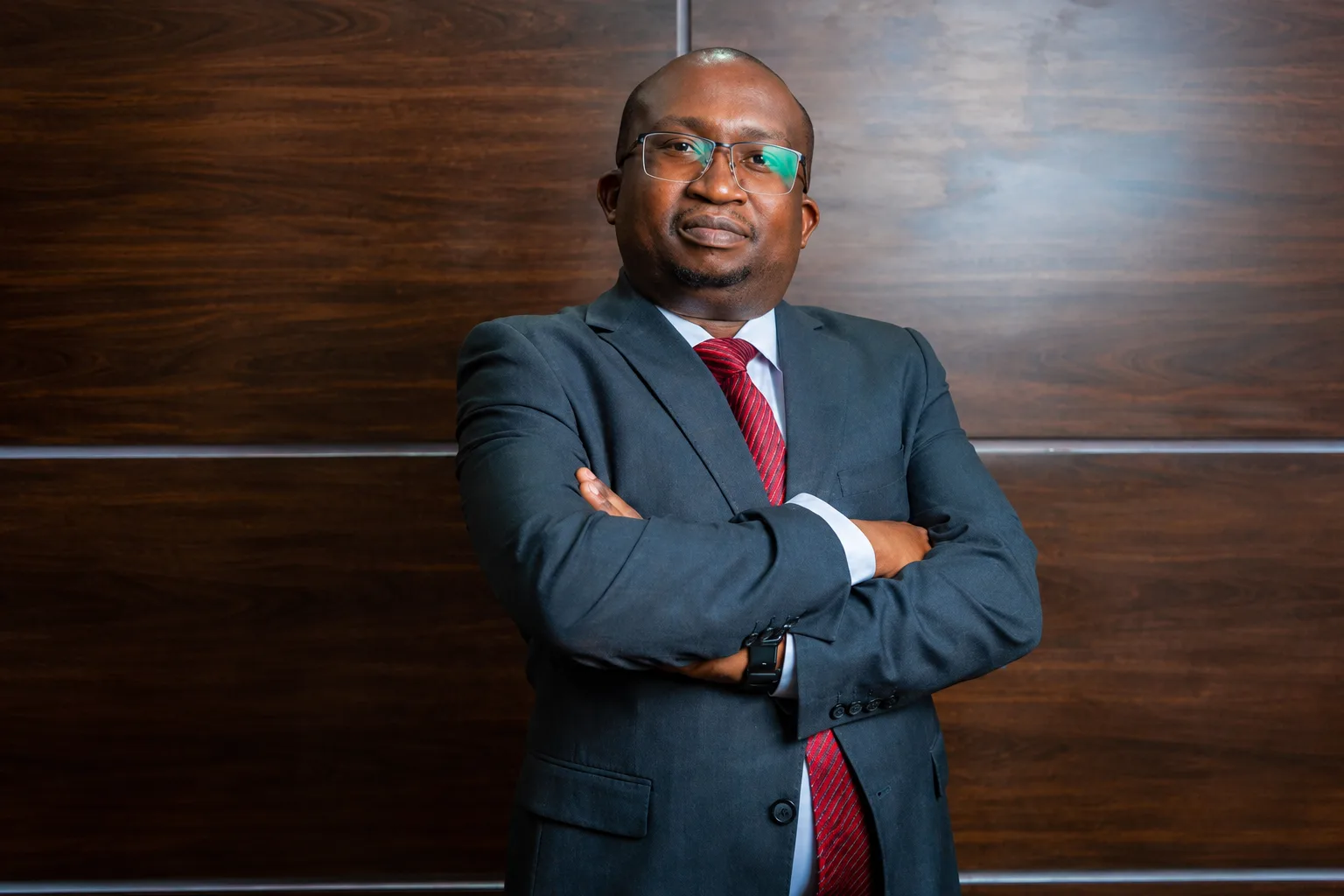
Eric Okioma, who has lived with HIV since 2003, says reduced support for HIV programmes has led to medication rationing, shortages of laboratory supplies and the closure or reduced availability of youth-friendly service centres.
Speaking at Nyalenda in Kisumu, where he runs the Nelson Mandela TBHIV Information Community-Based Organisation (CBO), Okioma said the disruptions were making it increasingly difficult for vulnerable patients to access treatment and other critical health services.
His concerns come ahead of World AIDS Day, marked annually on December 1, as Kenya’s health system faces pressure to sustain HIV services amid declining external support, particularly from United States-funded programmes.
Kisumu, one of the counties with a high HIV burden, has experienced disruptions affecting healthcare staffing, laboratory services, medical commodities and community-based interventions.
One of the changes has been the integration of HIV services into general outpatient departments following staffing shortages, a move intended to optimise the available healthcare workforce.
However, Okioma says the transition has created challenges for patients who previously relied on dedicated Comprehensive Care Clinics (CCCs), with some facing longer queues, unfamiliar healthcare workers and concerns over stigma and confidentiality.
“Previously, you could go to a standalone clinic, pick your medication and return to your normal duties. But now, integration has brought challenges, including stigma, overcrowding and spending more time at health facilities,” he said.
The situation has been compounded by medication rationing, with some patients receiving smaller quantities of antiretroviral drugs (ARVs) and being required to make more frequent visits to health facilities.
Okioma says the additional transport costs and time spent seeking treatment could undermine adherence, particularly among low-income households and patients who avoid facilities near their homes for fear of being identified and discriminated against.
He also warned that shortages extend beyond ARVs to include condoms, HIV testing kits, pre-exposure prophylaxis (PrEP), viral load testing supplies and CD4 testing commodities.
He is particularly concerned about gaps in identifying and managing advanced HIV disease, which can become life-threatening when patients interrupt treatment or return to care after prolonged periods without medication.
CD4 testing helps healthcare workers assess the state of a patient’s immune system and identify those at risk of advanced HIV disease who may require urgent intervention.
“If you do not have the commodities needed for CD4 testing, identifying people with advanced HIV disease becomes difficult. These are patients who need urgent attention because complications such as tuberculosis can become life-threatening,” he said.
The reduced availability of youth-friendly services is another concern, with Okioma warning that adolescents and young people need confidential and accessible spaces to seek HIV prevention, testing and treatment.
He argues that young people living with HIV should be involved in decisions affecting their health rather than treated merely as recipients of services.
Okioma’s advocacy is informed by his own experience. When he began taking medication in 2003, his children were still young. They are now grown up and working, which he says demonstrates the benefits of sustained HIV treatment.
Beyond running the Nyalenda-based organisation, he chairs the Network of TB Champions Kenya and advocates for improved care for people living with HIV and tuberculosis, as well as stronger digital health systems.
Through community-led monitoring initiatives, including the iMonitor platform, patients and community representatives document service delivery challenges, staffing gaps and shortages of medical commodities at health facilities.
However, Okioma says translating the concerns raised into concrete action remains a major challenge.
He said more than 2,000 issues had been submitted through the monitoring initiative, but only about one per cent had been resolved.
“We have raised over 2,000 issues through iMonitor, but only one per cent have been resolved. There must be proper follow-up to ensure that the concerns raised by communities translate into actual improvements in healthcare,” he said.
As Kenya prepares to mark World AIDS Day, Okioma is urging the national and county governments to increase domestic financing for HIV services and reduce reliance on external donors.
He wants Kisumu County to recruit more healthcare workers, restore youth-friendly service centres and establish dedicated spaces where patients can access health education and psychosocial support.
He has also called for nutritional support for people recovering from advanced HIV disease, noting that some patients are discharged from hospital while still too weak to meet their nutritional needs.
Okioma says HIV care should go beyond the provision of medication to address the economic and social challenges that determine whether patients can maintain their health.
He is further calling for people living with HIV to be included in government empowerment programmes and economic opportunities without stigma or discrimination.
His message to President William Ruto is that people living with HIV should have a role in decisions on resource allocation and national health policies.
“We are not Trump’s business. We are President Ruto’s business. The government must listen to people living with HIV and ensure that we are included in empowerment programmes and decisions affecting our lives,” he said.
Okioma’s organisation was established in 2014. He believes the approaching World AIDS Day should provide an opportunity for the government, healthcare providers, development partners and communities to assess the state of the HIV response and address gaps arising from declining donor support.
He says meaningful community participation, equitable access to healthcare and sustained domestic investment are critical to protecting gains made over decades.
“Nothing for us without us,” he said, calling for people living with HIV to have a seat at the table whenever decisions about their health and future are made.
- hiv
- treatment
- service
- health
- patient
- advocate
- okioma
- testing